
India’s Data Center Market Booms with AI, 5G, and Cloud Innovations

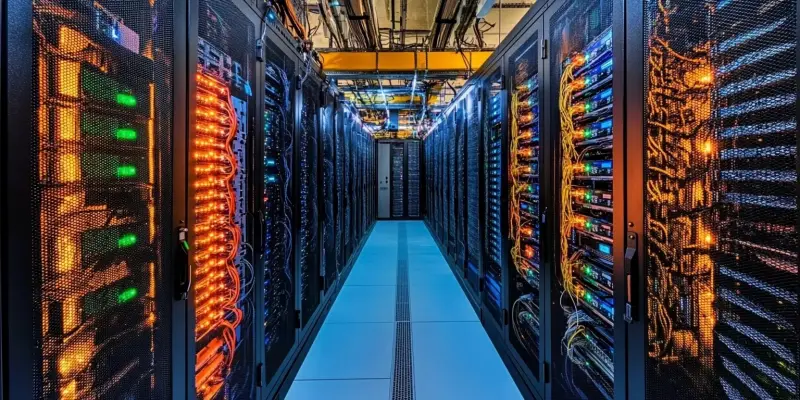
India’s data center market is experiencing an unprecedented surge, driven by the rapid adoption of cutting-edge technologies such as artificial intelligence (AI), 5G, and cloud computing. Fueling this growth is the increased digitalization in critical sectors like banking, finance, and telecommunications, which depend on robust and scalable infrastructure. As a result of these advances, the data center capacity in India is projected to reach an impressive 2 gigawatts by 2026. Concurrently, the market value forecast has it touching a staggering $11.6 billion by 2032, emphasizing the market’s strong growth potential.

Significant growth is also evident in key metropolitan areas, with cities like Navi Mumbai, Chennai, and Hyderabad emerging as major hubs for extensive data center projects. These urban centers offer the necessary infrastructure and connectivity for large-scale operations, but challenges such as land scarcity and rising costs persist in traditional hub locations. Advances in AI are proving transformative within this industry, driving rack density and necessitating enhanced cooling solutions such as liquid immersion cooling for better energy efficiency and cost savings.

The proliferation of edge data centers further highlights the sector’s dynamic evolution. These facilities are being developed to handle the increasing data traffic generated from smaller cities, providing localized processing to reduce latency and improve service delivery. As cloud computing gains traction, there is a notable shift from on-premise IT infrastructure to scalable, secure, and cost-effective cloud solutions. This trend is underscored by numerous training initiatives aimed at developing expertise in IT infrastructure management.

Furthermore, institutional investors are turning their attention to data centers, regarding them as a lucrative asset class reflecting the market’s robust outlook. This investment interest underscores the significant opportunities within the sector and portends a vibrant future for India’s data center industry. As technological innovations continue to evolve, the market is poised for even greater growth and transformation in the coming years.

Explore more

Is Second-Chance Hiring Putting Young Workers at Risk?

The pursuit of a diverse and inclusive workforce often leads major corporations to adopt second-chance hiring initiatives, yet the execution of these programs requires a delicate balance between social rehabilitation and the non-negotiable safety of young, vulnerable employees. In a high-stakes legal battle currently unfolding in Oklahoma, a teenage worker’s harrowing experience has cast a shadow over the “family-friendly” image

Can AI Automation Close the $9 Trillion Insurance Gap?

Global economic volatility and the increasing frequency of climate-driven catastrophes have pushed the worldwide insurance protection gap to a staggering nine trillion dollars, leaving millions of households and small businesses dangerously exposed to financial ruin. This massive deficit, representing the difference between total economic losses and those covered by insurance policies, continues to widen as traditional underwriting models struggle to

Can Conversational AI Transform Customer Segmentation?

Static demographic data like age, zip code, and gender has historically served as the cornerstone of marketing strategies, but the volatility of current market trends requires a much more nuanced approach to audience identification. When a customer interacts with a modern AI interface, they provide a wealth of unstructured data that transcends simple purchase history or basic identity markers. This

Is Safari or Google Chrome the Best Browser for macOS?

Every time a user opens a lid on a modern MacBook Pro or clicks the dock on an iMac, they are essentially entering a digital workspace where the browser acts as the primary conductor for almost every professional and personal task. This decision between Safari and Google Chrome has evolved beyond simple aesthetic preferences into a significant technical strategy that

Why Power Users Are Switching From Windows to ChromeOS

High-performance computing was once synonymous with the meticulous management of local registries and system drivers, yet the modern digital landscape increasingly favors architectural simplicity over traditional complexity. For decades, power users defined their expertise by their ability to troubleshoot Windows environments, optimize startup sequences, and navigate the labyrinthine file structures required to keep a machine running at peak efficiency. However,