
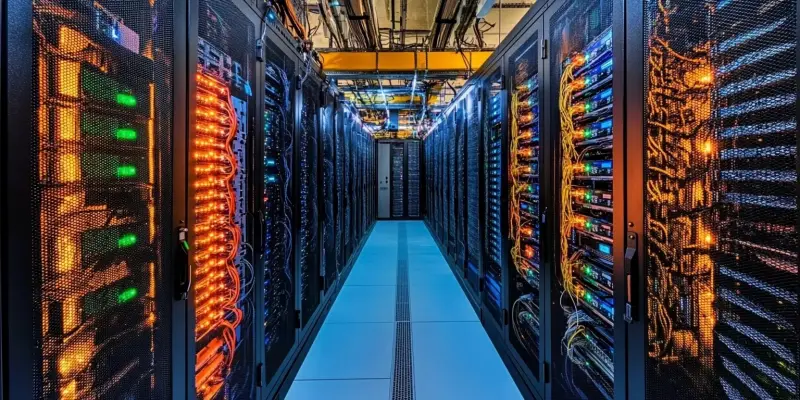
India’s Data Center Market Booms with AI, 5G, and Cloud Innovations

India’s data center market is experiencing an unprecedented surge, driven by the rapid adoption of cutting-edge technologies such as artificial intelligence (AI), 5G, and cloud computing. Fueling this growth is the increased digitalization in critical sectors like banking, finance, and telecommunications, which depend on robust and scalable infrastructure. As a result of these advances, the data center capacity in India is projected to reach an impressive 2 gigawatts by 2026. Concurrently, the market value forecast has it touching a staggering $11.6 billion by 2032, emphasizing the market’s strong growth potential.

Significant growth is also evident in key metropolitan areas, with cities like Navi Mumbai, Chennai, and Hyderabad emerging as major hubs for extensive data center projects. These urban centers offer the necessary infrastructure and connectivity for large-scale operations, but challenges such as land scarcity and rising costs persist in traditional hub locations. Advances in AI are proving transformative within this industry, driving rack density and necessitating enhanced cooling solutions such as liquid immersion cooling for better energy efficiency and cost savings.

The proliferation of edge data centers further highlights the sector’s dynamic evolution. These facilities are being developed to handle the increasing data traffic generated from smaller cities, providing localized processing to reduce latency and improve service delivery. As cloud computing gains traction, there is a notable shift from on-premise IT infrastructure to scalable, secure, and cost-effective cloud solutions. This trend is underscored by numerous training initiatives aimed at developing expertise in IT infrastructure management.

Furthermore, institutional investors are turning their attention to data centers, regarding them as a lucrative asset class reflecting the market’s robust outlook. This investment interest underscores the significant opportunities within the sector and portends a vibrant future for India’s data center industry. As technological innovations continue to evolve, the market is poised for even greater growth and transformation in the coming years.

Explore more

Resilience Becomes the New Velocity for DevOps in 2026

With extensive expertise in artificial intelligence, machine learning, and blockchain, Dominic Jainy has a unique perspective on the forces reshaping modern software delivery. As AI-driven development accelerates release cycles to unprecedented speeds, he argues that the industry is at a critical inflection point. The conversation has shifted from a singular focus on velocity to a more nuanced understanding of system

Can a Failed ERP Implementation Be Saved?

The ripple effect of a malfunctioning Enterprise Resource Planning system can bring a thriving organization to its knees, silently eroding operational efficiency, financial integrity, and employee morale. An ERP platform is meant to be the central nervous system of a business, unifying data and processes from finance to the supply chain. When it fails, the consequences are immediate and severe.

When Should You Upgrade to Business Central?

Introduction The operational rhythm of a growing business is often dictated by the efficiency of its core systems, yet many organizations find themselves tethered to outdated enterprise resource planning platforms that silently erode productivity and obscure critical insights. These legacy systems, once the backbone of operations, can become significant barriers to scalability, forcing teams into cycles of manual data entry,

Is Your ERP Ready for Secure, Actionable AI?

Today, we’re speaking with Dominic Jainy, an IT professional whose expertise lies at the intersection of artificial intelligence, machine learning, and enterprise systems. We’ll be exploring one of the most critical challenges facing modern businesses: securely and effectively connecting AI to the core of their operations, the ERP. Our conversation will focus on three key pillars for a successful integration:

Trend Analysis: Next-Generation ERP Automation

The long-standing relationship between users and their enterprise resource planning systems is being fundamentally rewritten, moving beyond passive data entry toward an active partnership with intelligent, autonomous agents. From digital assistants to these new autonomous entities, the nature of enterprise automation is undergoing a radical transformation. This analysis explores the leap from AI-powered suggestions to true, autonomous execution within ERP