

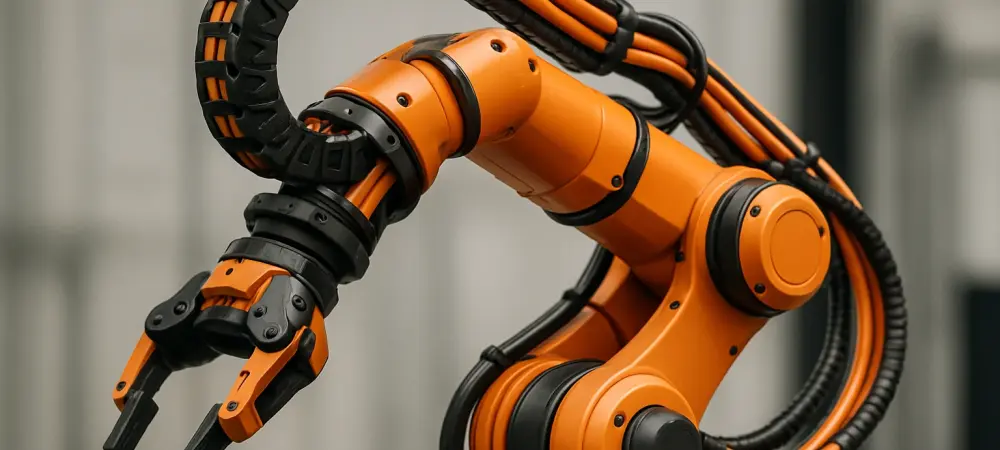
In the bustling world of industrial automation, innovation is the key to staying ahead, and few companies demonstrate this better than igus with their groundbreaking display at a prominent packaging industry event in Las Vegas. Known for pioneering motion plastics, igus captured attention by presenting an array of advanced plastic components and cutting-edge robotics tailored for the packaging sector. This showcase not only highlighted the versatility and durability of plastic over traditional metal solutions but also underscored a shift toward more efficient and adaptable technologies. From bearings to collaborative robot arms, the emphasis was on reducing maintenance and enhancing operational speed, addressing some of the most pressing challenges in modern manufacturing. As industries increasingly prioritize sustainability and cost-effectiveness, igus stands at the forefront, offering solutions that promise to redefine standards in motion control and automation.
Revolutionizing Components with Motion Plastics
At the heart of igus’ presentation was a compelling demonstration of motion plastics as a robust alternative to conventional metal components in industrial applications. These plastics, featured in products like bearings, slides, and cable raceways, showcased remarkable resilience even under harsh conditions. A particularly notable exhibit revealed a sliding motion axis functioning seamlessly despite exposure to dirt and debris, challenging the common perception that plastics falter in demanding environments. This durability stems from innovative design tweaks and the integration of low-friction materials such as PTFE, which significantly reduce wear without heavy reliance on lubrication. By addressing friction concerns head-on, igus proves that plastic components can match, and sometimes exceed, the performance of metal counterparts, paving the way for broader adoption across various sectors seeking reliable, low-maintenance solutions.
Beyond durability, motion plastics from igus offer substantial benefits in terms of energy efficiency and operational speed, crucial factors in today’s fast-paced industrial landscape. The lightweight nature of these materials allows for reduced component weight, which in turn enables faster machinery operation and lower energy consumption. This advantage is particularly relevant in the packaging industry, where high-speed production lines are the norm, and even small gains in efficiency can translate into significant cost savings. Additionally, the reduced need for maintenance further lowers operational downtime, a critical consideration for manufacturers aiming to maximize productivity. As automation continues to evolve, the role of lightweight, efficient materials like those developed by igus becomes increasingly vital, positioning them as a go-to choice for industries looking to optimize performance while adhering to stringent efficiency standards.
Advancing Automation with Collaborative Robotics
Another focal point of igus’ exhibit was their venture into robotics, particularly with a low-cost robot arm designed for collaborative tasks such as palletizing in industrial settings. This robot arm prioritizes human safety through advanced features like force control and speed limitations, ensuring it can operate alongside workers without posing risks. Coupled with user-friendly programming interfaces, this technology reflects a growing trend toward flexibility in automation, allowing businesses to adapt quickly to changing demands. Unlike traditional industrial robots that often require isolated environments, this collaborative approach fosters a safer, more integrated workplace, aligning with modern industrial needs for both efficiency and employee well-being.
The significance of igus’ robotic solutions extends beyond safety, addressing the broader push for accessibility and adaptability in automation technology. By offering cost-effective robotic systems, igus enables smaller manufacturers to embrace automation without the prohibitive expenses typically associated with such advancements. This democratization of technology is crucial in an era where scalability and rapid deployment are competitive advantages. Furthermore, the integration of motion plastics into these robotic systems ensures durability and reduced maintenance, enhancing their appeal. As industries continue to navigate the complexities of automation, igus’ focus on affordable, safe, and flexible robotic solutions highlights their commitment to supporting diverse manufacturing environments with innovative tools tailored to contemporary challenges.
Fostering Industry Growth Through Community Engagement
Igus also emphasized the importance of collaboration and knowledge sharing through their online industrial forum, Axis, which serves as a platform for professionals, educators, and manufacturers in robotics and automation. Unlike conventional marketing tools, Axis is designed to accelerate innovation by facilitating the exchange of ideas and expertise among industry stakeholders. This initiative reflects a broader mission to drive collective progress, ensuring that advancements in motion plastics and robotics benefit a wider community. By creating a space for dialogue, igus encourages creativity and problem-solving, addressing complex challenges through shared insights and fostering an environment where cutting-edge solutions can emerge organically.
The impact of such community-building efforts cannot be overstated, as they contribute to shaping the future of industrial automation in meaningful ways. Axis provides a unique opportunity for industry players to stay abreast of emerging trends, share best practices, and collaborate on pioneering projects that push technological boundaries. This aligns with the overarching goals of reducing maintenance costs and enhancing integration within the packaging sector and beyond. By investing in platforms that nurture innovation, igus not only strengthens its position as a thought leader but also ensures that the benefits of their technologies, from motion plastics to robotics, are amplified through collective expertise, ultimately driving the industry toward greater efficiency and sustainability.
Reflecting on a Vision for Industrial Progress
Looking back, igus’ participation in the Las Vegas event painted a vivid picture of how motion plastics and robotics could transform industrial landscapes with their focus on durability, safety, and efficiency. Their exhibits demonstrated a clear understanding of industry pain points, offering tangible solutions that addressed long-standing challenges. Moving forward, stakeholders should consider how to integrate such innovations into existing systems, prioritizing lightweight materials and collaborative technologies to stay competitive. Exploring partnerships and engaging with platforms like Axis could further amplify these advancements, ensuring that the momentum gained from such showcases translates into actionable, widespread progress across manufacturing sectors.