

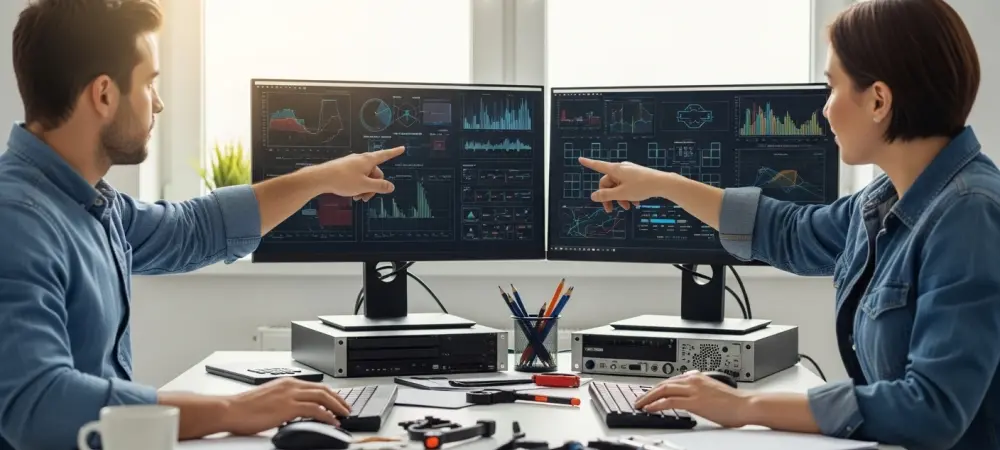
The intricate ballet of silicon engineering depends entirely on the silent observers that monitor electrical signals and thermal limits before a single chip reaches a consumer retail shelf. Diagnostic utilities have transitioned from optional power-user tools into essential infrastructure for the entire hardware ecosystem. As the industry moves through the current cycle, the focus has shifted from maintaining current-gen stability to the rigorous preparation required for next-generation silicon. This transition involves a massive coordination effort between developers and major players like AMD and NVIDIA to ensure that software can interpret the languages of future architectures. Preliminary software support serves as a vital signal in the hardware lifecycle, often providing the first tangible evidence of architectural changes. The release of HWiNFO 8.46 represents a major milestone in this preparation, offering a window into the technologies that will define computing in the coming years. By integrating support for unreleased platforms, the developer community provides the necessary transparency for engineers and enthusiasts to track the progress of semiconductor innovation long before a product launch occurs.
The Evolving Landscape of Hardware Monitoring and Semiconductor Development
The role of diagnostic utilities has expanded significantly as hardware configurations become more complex and power-hungry. These tools are no longer merely reporting clock speeds; they are responsible for validating the telemetry of sophisticated power delivery systems and thermal management algorithms. In the current market, the focus is rapidly shifting toward the upcoming transition from existing architectures to the highly anticipated Zen 6 and Blackwell series, making early software updates a critical requirement for hardware testing.
Collaboration between independent developers and silicon manufacturers is the bedrock of system stability. When a utility like HWiNFO introduces support for a platform like AMD Zen 6, it indicates that the hardware has reached a stage where its communication protocols are finalized enough for external monitoring. This early integration allows for a smoother rollout of the hardware, ensuring that once the silicon hits the market, the software ecosystem is already equipped to handle its unique diagnostic requirements.
Mapping the Technical Shifts in Next-Generation Compute Architectures
Examining AMD Zen 6 and NVIDIA Blackwell Architectural Trends
The transition to the AMD Zen 6 architecture signals a significant departure from previous design philosophies, particularly with the anticipated move toward 12-core Core Complex Dies. This architectural shift suggests that desktop processors could soon see standard high-end configurations reaching 24 cores, drastically increasing the computational density available to consumers. Furthermore, the Medusa Halo series for mobile platforms is expected to skip intermediate graphics updates and leap directly to the RDNA 5 architecture, representing a massive jump in integrated performance.
NVIDIA is simultaneously refining its Blackwell architecture to capture the mid-range market with strategic efficiency. The use of harvested GB205 dies for the upcoming GeForce RTX 50-series suggests a focus on maximizing yields and offering performance that balances power consumption with modern features. Consumer behavior is increasingly favoring these specialized mobile APUs and high-density desktop chips, pushing manufacturers to innovate within tighter thermal and physical envelopes while maintaining the upward trajectory of performance.
Analyzing Market Projections: Core Density and Memory Standards
Data-driven projections suggest that the demand for high-performance computing in the home office and gaming sectors will drive 24-core configurations into the mainstream desktop segment. This shift is accompanied by the rapid adoption of GDDR7 memory, which promises to revolutionize bandwidth limits for mid-range GPUs. The integration of unique 9 GB VRAM configurations on a 96-bit bus for certain Blackwell variants points to a strategy of optimizing memory capacity for specific price points and architectural constraints. The growth of GDDR7 is expected to have a profound impact on the mid-range segment, providing the necessary throughput for high-resolution textures and complex ray-tracing calculations. As memory standards evolve, the ability of diagnostic tools to accurately report bus widths and memory timings becomes even more critical. These performance indicators suggest that the next two years will be defined by a shift toward more efficient use of silicon area and memory bandwidth to meet the needs of evolving software.
Navigating the Technical Hurdles of Preliminary Hardware Integration
Providing accurate diagnostic support for unreleased silicon presents a unique set of challenges for software developers. The complexities of identifying cut-down hardware variants, which may have disabled cores or non-standard memory configurations, require a deep understanding of the underlying architecture. Developers must often work with incomplete or shifting specifications as manufacturers refine their products during the pre-production phase, making software stability a primary concern during these periods.
Strategies for maintaining reliability involve rigorous testing against early engineering samples and constant communication with hardware vendors. Identifying non-standard memory buses, such as the rumored 96-bit configuration for upcoming NVIDIA cards, is essential to prevent erroneous reporting that could mislead users. Ensuring that the software can gracefully handle architectural shifts allows it to remain a trusted source of truth for professionals who rely on precise data for system optimization.
Standardization and Security in System Diagnostic Utilities
Maintaining high-integrity reporting is a paramount concern in an era where false positives and security vulnerabilities can compromise system trust. Diagnostic tools must adhere to strict communication protocols to avoid triggering security software or creating windows for malware. Developers are increasingly focused on refining their identification engines to ensure that every reported metric is verified against known hardware signatures, reducing the risk of misinformation in the professional community.
Adherence to emerging hardware standards ensures that diagnostic utilities can communicate effectively with the latest motherboard and chipset firmware. This consistency is vital for maintaining consumer trust, as it prevents the confusion that arises when different tools report conflicting information. By prioritizing security and rigorous verification, developers protect the integrity of the diagnostic process and ensure that their tools remains a staple of the hardware testing environment.
Future Trajectory of High-Performance Computing and Consumer Graphics
The long-term outlook for high-performance computing is heavily influenced by the integration of architectures like Olympic Ridge and Medusa Point. These designs emphasize the continued move toward chiplet-based configurations, which allow for greater flexibility in manufacturing and performance scaling. As RDNA 5 begins to influence the mobile gaming and workstation markets, the industry will likely see a surge in compact, high-performance devices that challenge the dominance of traditional desktop towers.
Innovation in chiplet design and memory bus configurations will act as major market disruptors, forcing a re-evaluation of how performance is measured. The focus is shifting away from raw clock speeds toward architectural efficiency and the seamless integration of different compute elements. As these technologies mature, the role of diagnostic software will be to provide the granular data necessary to understand how these complex systems interact under various workloads and environmental conditions.
Assessing the Strategic Impact of Early Diagnostic Readiness
The HWiNFO 8.46 update established a clear roadmap for the hardware cycles approaching through the end of the decade. By incorporating support for Zen 6 and Blackwell so early, the utility provided professionals and enthusiasts with the means to prepare for a significant leap in core density and memory performance. This update demonstrated that the industry was moving toward a more transparent and standardized method of hardware reporting, which was essential for maintaining stability across diverse compute platforms.
Final observations indicated that the movement toward increased efficiency and higher computational ceilings was accelerating. Professionals tracking the development of these platforms found that early diagnostic readiness was a key factor in reducing deployment friction for new systems. Ultimately, the industry’s focus on preparing the software ecosystem ahead of hardware releases ensured that the transition to next-generation silicon was handled with precision and reliability.