

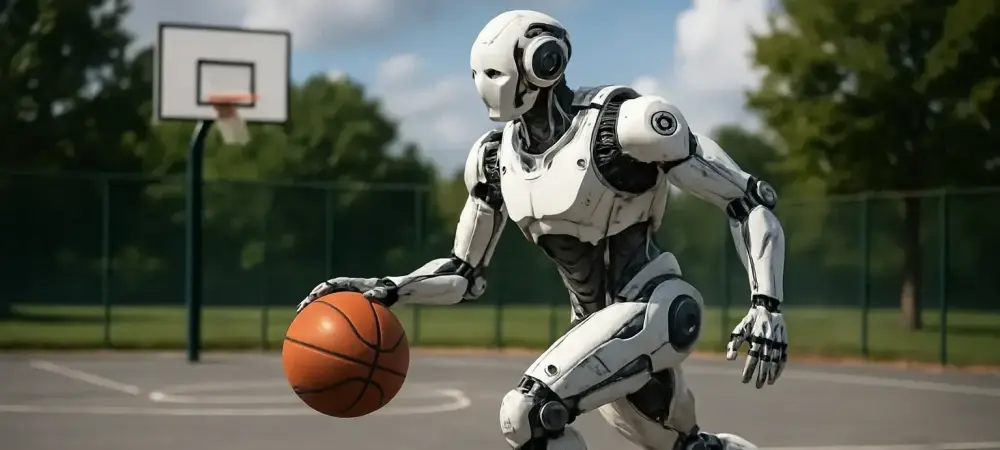
Imagine a stadium filled with spectators, not cheering for human athletes, but for humanoid robots competing in sports like basketball and badminton with uncanny precision and agility, showcasing a new era of technological innovation. This is no longer a sci-fi fantasy but a reality at the World Humanoid Robot Games, happening this week in Beijing, China. As the first-ever “Olympics” for robots, this event showcases the pinnacle of physical AI and robotics innovation, drawing global attention to how far technology has advanced. The stage is set to explore the capabilities of these machines and their potential to reshape industries and daily life.
The Rise of Humanoid Robotics
Humanoid robots, designed to mimic human form and behavior, have emerged as a transformative force in technology. Their development hinges on physical AI, which enables lifelike movement, interaction, and adaptability. Over recent years, these robots have evolved from clunky prototypes to sophisticated machines capable of performing complex tasks, thanks to breakthroughs in machine learning and sensor technology. China’s role in this evolution cannot be overstated, as the country has rapidly positioned itself as a leader through innovation and massive investment in robotics.
The global context of robotics reveals a competitive landscape where nations strive for dominance, yet China stands out due to its manufacturing prowess and technological ambition. Major tech giants like Tencent and Alibaba, alongside dynamic startups, fuel this growth with substantial funding and research. This convergence of resources sets a unique backdrop for the games in Beijing, where the world witnesses the culmination of years of progress in humanoid robotics.
Cutting-Edge Features on Display
Competitive Sports and Physical Prowess
At the heart of the World Humanoid Robot Games lies a diverse array of competitive events that test the physical capabilities of over 500 robots from 127 companies. Sports such as table tennis, free fighting, and group dance highlight the robots’ agility, coordination, and precision. These events are not mere spectacles; they serve as rigorous benchmarks for how well these machines can replicate human athleticism and respond to dynamic environments.
Beyond individual performance, the games reveal the sophistication of programming and hardware integration. Robots must navigate split-second decisions, balance, and strategic thinking—skills that push the boundaries of current technology. Observing a robot execute a perfect badminton serve or synchronize in a dance routine underscores the remarkable strides made in mimicking human motor skills, offering a glimpse into their potential for real-world tasks.
Practical Scenarios and Showcases
In addition to sports, the event features scenario-based challenges that mirror everyday or industrial applications. These tasks range from navigating obstacle courses to performing simulated household chores, demonstrating the versatility of humanoid robots. Such showcases emphasize their ability to adapt to complex, unstructured settings, a critical factor for their adoption in sectors like healthcare or logistics.
Grand exhibitions further amplify this narrative by presenting robots in roles that could revolutionize entertainment or customer service. For instance, robots acting as guides or performers hint at future possibilities in public-facing industries. These displays bridge the gap between theoretical innovation and tangible utility, sparking discussions on how soon such technology could become commonplace in society.
China’s Leadership in Robotics Innovation
China’s dominance in the robotics sector is evident through its strategic focus on affordability and scalability. Companies like Unitree have made headlines by offering capable humanoid robots at prices as low as $6,000, democratizing access to cutting-edge technology. This pricing strategy, combined with robust domestic manufacturing, positions China as a hub for both production and innovation in this field.
Significant investments from corporate giants and government-backed initiatives have created an ecosystem where research thrives. This environment fosters rapid iteration, allowing Chinese firms to outpace many international competitors in deploying advanced robots. The games in Beijing are a testament to this momentum, showcasing not just individual robots but an entire industry poised for global impact.
The manufacturing strength of China also plays a pivotal role, as producing humanoid robots requires intricate supply chains and precision engineering. This capability ensures that sophisticated designs move from concept to reality swiftly, reinforcing the nation’s status as a powerhouse. As a result, the event serves as a platform to display both technological and industrial might on a world stage.
Real-World Implications and Applications
The World Humanoid Robot Games are more than a competition; they act as a window into the practical applications of humanoid robots across industries. From sports training aids to entertainment performers, the robots on display hint at transformative roles they could play. Their ability to execute precise movements suggests potential in assisting with repetitive tasks or even coaching athletes in real-time. Scenario-based challenges at the event further illuminate uses in everyday contexts, such as aiding in disaster response or supporting elderly care. These demonstrations highlight how robots could alleviate human labor shortages or enhance safety in hazardous environments. The growing interest from sectors like hospitality and retail also points to a future where humanoid robots interact seamlessly with humans in public spaces.
Notable implementations already underway include pilot programs in manufacturing, where robots handle intricate assembly tasks. As these applications expand, the games provide a crucial testing ground to refine capabilities and address real-world demands. This convergence of innovation and practicality underscores the event’s significance in accelerating adoption across diverse fields.
Challenges Facing Humanoid Robotics
Despite the impressive displays, humanoid robotics still grapples with significant challenges that hinder widespread integration. Functionality remains a key concern, as many robots struggle with durability and adaptability in unpredictable settings. Refining these aspects is essential to ensure they can operate reliably outside controlled environments like the games.
Regulatory frameworks and market acceptance pose additional hurdles, as integrating robots into daily life raises ethical and safety questions. Governments and industries must navigate these issues to build trust and establish standards for deployment. Without clear guidelines, even the most advanced robots risk limited adoption due to public or institutional skepticism.
Ongoing efforts by researchers and companies aim to tackle these obstacles through iterative development and collaboration. Innovations in battery life, material resilience, and AI adaptability are underway, promising incremental improvements. The games serve as a catalyst for such progress, exposing limitations while inspiring solutions to bridge current gaps in technology.
Future Prospects and Predictions
Looking ahead, the trajectory of humanoid robots suggests deeper integration into society as costs decrease and capabilities expand. Within the next few years, from this year to 2027, advancements in physical AI could enable robots to handle more nuanced tasks, blending into homes and workplaces. Affordability will likely drive this shift, making robots accessible to smaller businesses and even individual consumers.
Breakthroughs showcased at events like the games could accelerate developments in areas such as human-robot interaction and autonomous decision-making. These innovations might redefine industries, from automating logistics to personalizing education through robotic tutors. The potential for such transformation hinges on sustained investment and global cooperation in research.
Long-term, the societal impact of humanoid robots could be profound, reshaping labor markets and cultural norms. As they become ubiquitous, their role in enhancing productivity or providing companionship may redefine human experiences. The games mark an early milestone in this journey, offering a preview of a future where technology and humanity increasingly intertwine.
Final Thoughts and Next Steps
Reflecting on the World Humanoid Robot Games, the event stood as a groundbreaking showcase of what physical AI and robotics have achieved in a short span. It highlighted China’s commanding presence in the field, revealing both the astonishing versatility of humanoid robots and the gaps that remain to be filled. The blend of competition and practical demonstration provided a clear snapshot of the technology’s current state. Moving forward, stakeholders must prioritize addressing functionality and regulatory challenges to unlock the full potential of these machines. Collaborative efforts between tech firms, policymakers, and academic institutions could pave the way for standardized safety protocols and ethical guidelines. Such steps would ensure that robots transition smoothly from novelty to necessity in various sectors.
Additionally, public engagement and education emerge as vital considerations to foster acceptance of humanoid robots. Initiatives to demystify the technology and demonstrate its benefits could bridge trust gaps, encouraging adoption. As the dust settles on the games, the path ahead points toward innovation, integration, and a reimagined coexistence with intelligent machines.