

The relentless pursuit of display perfection has often been overshadowed by raw processing power, yet the emergence of specialized hardware indicates a fundamental shift in user priorities. For years, the tablet market remained stagnant, characterized by glossy screens and incremental performance gains that failed to address the core ergonomic challenges of mobile computing. The introduction of the Huawei MatePad Air marks a departure from this cycle, prioritizing a sensory-focused user experience that challenges the long-standing dominance of industry leaders like Apple and Samsung.
This review explores how a focus on visual comfort and hardware density can redefine the premium mid-range sector. By integrating features previously reserved for professional-grade equipment into a more accessible device, the technology seeks to solve the persistent issues of screen glare and physical fatigue. As consumer behavior shifts toward mobile productivity in diverse environments, the relevance of such innovations becomes increasingly clear, forcing a market-wide reconsideration of what constitutes a “high-end” tablet experience.
Innovation in the Tablet Landscape: Defining the MatePad Air
The MatePad Air emerges as a sophisticated response to the plateauing of tablet design, where software ecosystems have often outpaced the physical hardware used to access them. Its core philosophy revolves around the idea that the interface—the screen and the body—is the most critical component of the user experience. This technology does not merely attempt to match the specifications of competitors; it seeks to outperform them in areas that directly affect daily utility, such as visibility and weight.
By challenging the status quo of companies like Apple, which has historically gated its most advanced display technologies behind high-priced tiers, this device introduces a new value proposition. It suggests that high refresh rates and specialized screen coatings should be the baseline rather than the exception. This competitive pressure is vital for the broader technological landscape, as it encourages established market leaders to move beyond incremental updates and toward more meaningful hardware breakthroughs that benefit the average user.
Architectural Breakthroughs and Hardware Engineering
The PaperMatte Display and Visual Ergonomics
At the center of the hardware innovation is the 12-inch OLED panel, a component that delivers a 144Hz refresh rate and a peak brightness of 2,000 nits. This combination ensures that animations are fluid and colors remain vibrant even in challenging conditions. However, the true breakthrough lies in the PaperMatte technology. This specialized anti-glare treatment utilizes nano-level chemical etching to create a textured surface that eliminates approximately 99% of ambient light reflections.
The significance of this visual ergonomics cannot be overstated. By diffusing light rather than reflecting it, the screen reduces the eye strain commonly associated with long-term tablet use. This creates a viewing experience that feels more like reading from a physical book than a digital screen. Moreover, the matte finish solves the aesthetic and functional nuisance of fingerprints and smudges, maintaining visual clarity throughout the day without the constant need for cleaning.
Internal Optimization and Chassis Design
The engineering achievement of housing a massive 10,100mAh battery within a frame that is only 5.3mm thick represents a pinnacle of spatial efficiency. This level of optimization ensures that the device remains exceptionally portable without sacrificing the endurance required for a full day of productivity. The use of advanced materials and internal layering allows for a lightweight construction of just 509g, making it significantly easier to hold for extended periods compared to bulkier alternatives.
This balance between physical lightness and battery capacity has profound implications for long-term handheld usage. Users can engage in reading, browsing, or note-taking with minimal wrist fatigue, which is a common complaint for larger tablets. The internal architecture also manages heat dissipation effectively, ensuring that the ultra-thin chassis does not become uncomfortably warm during high-performance tasks, such as gaming or multitasking.
Emerging Trends in High-Refresh and Anti-Glare Technology
There is a growing trend in the 2026-2028 market cycle toward the democratization of “Pro-level” display specifications. Manufacturers are increasingly moving away from standard glass surfaces in favor of textured, matte finishes that prioritize functional clarity. This shift is driven by a change in consumer behavior, as more people use their tablets in outdoor settings, on public transit, or in brightly lit offices where traditional glossy screens fail to perform effectively.
Furthermore, the adoption of high-refresh-rate OLED panels in mid-tier devices indicates that smoothness and visual fidelity are no longer seen as niche requirements for gamers or creative professionals. As the industry moves toward these standards, the gap between mid-range and flagship products continues to narrow. This encourages a more competitive environment where manufacturers must find new ways to differentiate themselves, often through unique hardware features like advanced stylus integration or superior ergonomic design.
Real-World Applications of the PaperMatte Ecosystem
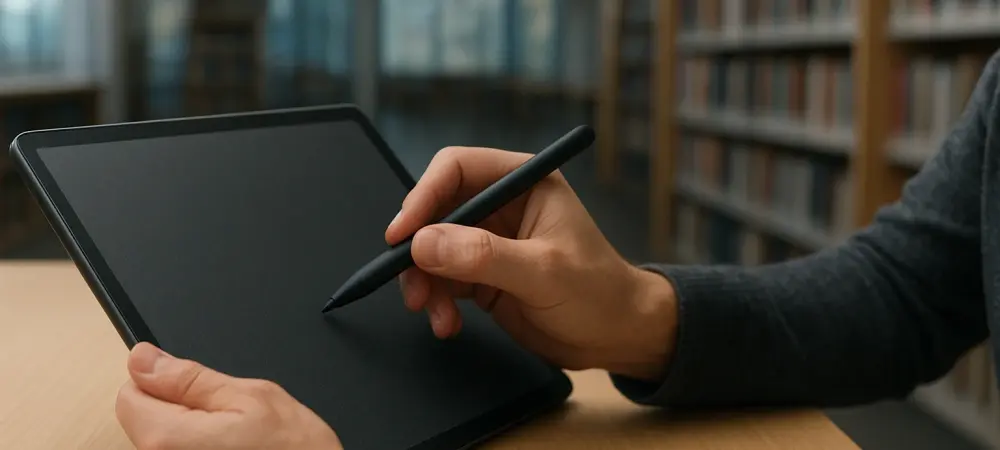
In practical, real-world scenarios, the tactile friction of the PaperMatte screen provides a superior experience for professional note-taking and digital illustration. Unlike the slippery feel of a stylus on glass, the textured surface offers a natural resistance that mimics the sensation of pen on paper. This physical feedback is essential for precision, allowing artists and students to exert better control over their strokes and handwriting, ultimately leading to a more productive creative process.
The utility of this technology extends to media consumption in high-glare environments like airplanes or subways. Where a traditional screen would reflect the overhead lights or windows, the MatePad Air maintains a clear, legible image. This makes it an ideal tool for commuters and travelers who need a reliable device for reading or watching content regardless of the lighting conditions. The combination of visual comfort and tactile excellence creates a unique ecosystem that prioritizes the user’s sensory interaction.
Technical Hurdles and Market Constraints
Despite its hardware superiority, the technology faces significant challenges, most notably the absence of Google Mobile Services in certain regions. This software limitation requires users to rely on the AppGallery or various third-party solutions, which can introduce a level of friction not found in the ecosystems of Apple or Samsung. While development efforts to expand available software continue, this remains a hurdle for wider adoption among users deeply integrated into specific mobile work environments.
Additionally, while the hardware is highly optimized, there is a performance ceiling when compared to the raw power of flagship M-series processors. For most daily tasks, the difference is negligible; however, for high-intensity computational work like professional 4K video editing or complex 3D modeling, the performance gap becomes more apparent. This creates a trade-off where users must weigh the benefits of a superior display and ergonomics against the peak processing capabilities of more expensive alternatives.
The Future of Portable Computing and Display Standards
The outlook for tablet technology suggests a continued focus on the democratization of high-end display materials. As the manufacturing processes for nano-texture glass and OLED panels become more efficient, these features will likely become standard across the entire portable computing industry. Future developments may also see breakthroughs in solid-state battery density, allowing for even thinner and lighter devices that do not compromise on power or longevity. Huawei’s hardware-first approach is likely to influence the competitive strategies of industry giants, forcing them to address the stagnation of their mid-tier offerings. The long-term impact of this trend will be a market where the distinction between “Pro” and “consumer” models is defined more by specific software features than by the quality of the physical screen. This shift toward a hardware-first philosophy ensures that the baseline quality of mobile devices continues to improve, benefiting all users regardless of their budget.
Assessment of the MatePad Air’s Market Impact
The evaluation of the MatePad Air demonstrated that focusing on the fundamental interface between the user and the device could disrupt the established “iPad-first” status quo. The analysis showed that the PaperMatte display provided a tangible improvement in daily utility, effectively addressing the visual fatigue and glare that have hindered tablet adoption for productivity. The study also highlighted that the engineering of an ultra-thin, lightweight chassis significantly enhanced the ergonomic appeal of the device for long-term handheld use.
The market response indicated a growing demand for devices that prioritize display quality and physical comfort over theoretical performance metrics. As the industry moves forward, the lessons learned from this review suggested that future innovations must focus on minimizing the friction of digital interaction. Manufacturers were encouraged to adopt more accessible pricing for premium hardware features, ensuring that visual health and ergonomic efficiency became universal standards rather than luxury add-ons. This transition promised a future where portable computing would be more comfortable, versatile, and user-centric than ever before.