

Driving Nigeria’s Digital Transformation Through Integrated Infrastructure
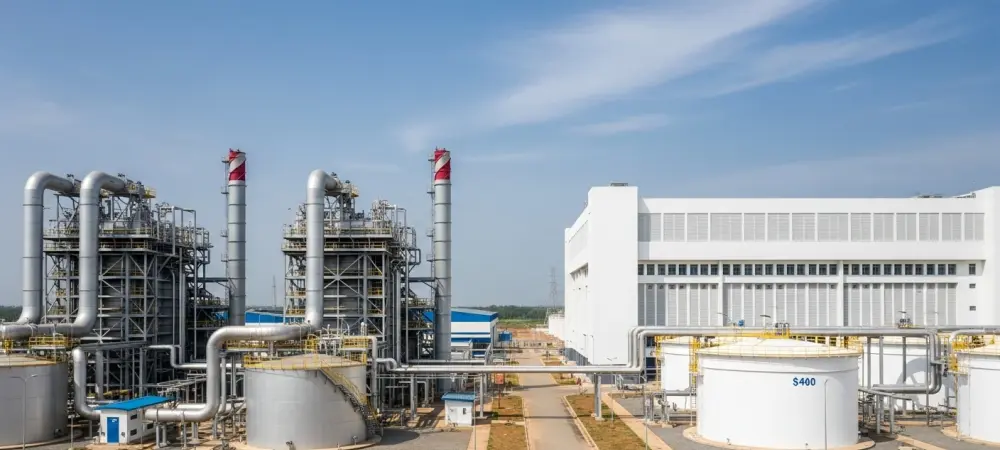
Nigeria’s digital landscape is undergoing a monumental shift as industrial leaders converge to establish a state-of-the-art technological hub designed to meet the nation’s burgeoning storage needs. The announcement of a $400 million data center project in Atakobo, Ogun State, marks a transformative milestone for West Africa’s digital economy. As Nigeria undergoes a rapid shift toward digital governance and private-sector automation, the demand for high-capacity, localized data storage has never been higher. This project, a strategic collaboration between Tetracore Energy Group, Huawei, and Inspirive Technologies, aims to bridge the gap between technological ambition and physical infrastructure. By integrating advanced computing capabilities with a dedicated energy source, the partners are creating a blueprint for resilient industrial growth in the region. The following timeline and analysis explore how this project evolved from a regional energy strategy into a cornerstone of Nigeria’s technological future.
Chronological Development of the Atakobo Data Center Initiative
2023: Foundation of the Tetracore Energy Park
Before the data center was conceptualized, Tetracore Energy Group established a robust energy footprint in Ogun State. The company developed a specialized energy park capable of processing 6.2 million standard cubic feet of natural gas per day. This existing infrastructure served as the critical precursor to the data center project, providing the necessary fuel source and land required to host a large-scale power-intensive facility. This phase established Tetracore as a primary energy provider, setting the stage for more complex industrial applications.
Early 2024: Formation of the Strategic Partnership
Recognizing the synergy between energy security and digital processing, Tetracore initiated talks with Huawei and Inspirive Technologies. This period saw the formalization of their partnership, combining Tetracore’s domestic energy capacity with Huawei’s global leadership in data center hardware and energy-efficient cooling systems. Inspirive Technologies was brought on board to manage the technical integration and strategic alignment of the project. This alliance was designed to solve the two biggest hurdles for African data centers: reliable power and high-tier hardware availability.
Late 2024: Project Unveiling and Construction Commencement
The partners officially announced the $400 million investment and broke ground on the 20MW facility in Atakobo. Designed to meet Tier III international standards, the project was revealed to include a massive 100MW independent gas-to-power plant. This announcement highlighted the project’s rapid execution timeline, with an estimated completion window of 10 to 12 months. The launch signaled to the market that Nigeria was moving toward self-sufficiency in data residency and high-performance computing.
2025: Anticipated Completion and Operational Phase
By the mid-to-late 2025 timeframe, the facility is expected to go live, offering scalable cloud solutions to the Nigerian government, financial institutions, and telecommunications firms. This phase will mark the transition from construction to service delivery, providing a localized alternative to international data hosting. The operational launch is expected to trigger a shift in how domestic startups and educational institutions access high-speed data processing, further cementing the facility’s role in the national economy.
Analyzing the Strategic Impact and Industry Patterns
The most significant turning point in this development is the move toward “energy-first” data infrastructure. Historically, digital projects in Nigeria faced high operational costs and downtime due to grid instability. By constructing a 100MW dedicated power plant alongside the 20MW data center, the partners have neutralized the primary risk factor for investors. This reflects a broader pattern in emerging markets where infrastructure projects are increasingly becoming self-contained ecosystems that provide their own utilities. The project also highlights a shift toward data sovereignty, as the Nigerian government and local banks seek to store sensitive information within national borders rather than relying on overseas servers.
Future Outlook and Regional Competitive Factors
Beyond the immediate technical specifications, this project introduced a new competitive standard for the West African tech hub. While traditional models relied on local utility companies, the Tetracore-Huawei model utilized gas-to-power technology to ensure 99.9% uptime, which served as a significant differentiator for finance and telecommunications clients. Experts suggested that this integrated approach moved the continent toward bypassing traditional grid limitations. The inclusion of the startup and education sectors in the facility’s mission ensured a more inclusive digital ecosystem. As the facility approached completion, it prompted further regional investment, positioning Ogun State as a primary competitor to established tech hubs in Lagos and Accra. Moving forward, policymakers focused on harmonizing data residency laws to maximize the utility of such localized infrastructure.