

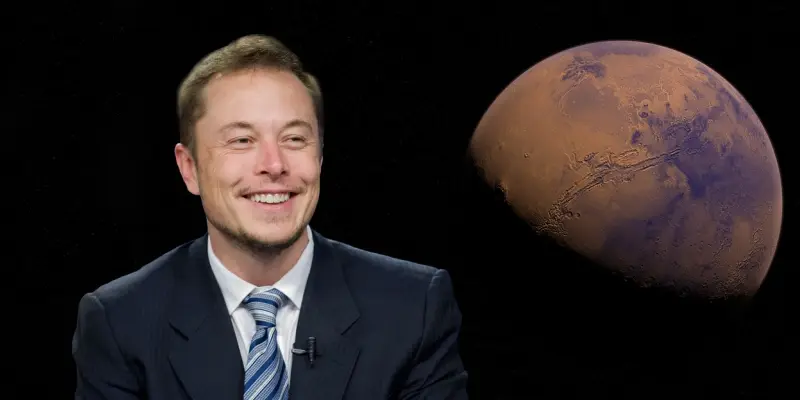
Elon Musk’s pioneering artificial intelligence firm, xAI, has undertaken a significant strategic maneuver by acquiring his social media platform X, formerly known as Twitter. This landmark deal, which values X at a hefty $33 billion, aims to merge the strengths of both companies. By sharing xAI’s value with co-investors in both entities and enhancing xAI’s capabilities in AI development, the acquisition sets the stage for a deeper integration of data, models, computing power, distribution channels, and talent. Musk, who also spearheads Tesla and SpaceX, envisions this merger as a conduit for accelerating innovation in the AI landscape.
Analysts are closely watching how this transaction, which values xAI at $80 billion—including a previous debt of $12 billion from X—will unfold. With Musk’s previous attempts to acquire competitors such as OpenAI thwarted, this acquisition refocuses attention on his strategic vision for AI. Saudi investor Prince Alwaleed bin Talal, a significant shareholder in both xAI and X, has endorsed the merger, foreseeing substantial growth in his portfolio’s value. Despite some skepticism, the integration of these two firms offers a promising avenue for advancing artificial intelligence research and applications.
The Strategic Merger
Combining Resources for Enhanced Capabilities
The strategic merger between xAI and X aims to combine resources in an unprecedented manner to bolster xAI’s chatbot, Grok, and other AI initiatives. By integrating the extensive real-time user data feed from X with xAI’s advanced models and computing power, the merged entity is positioned to develop more sophisticated and context-aware AI systems. This integration seeks to capitalize on the massive datasets generated by X’s users, offering a fertile ground for training robust AI models.
Moreover, Musk’s consolidation of talent across both platforms can stimulate cross-disciplinary innovation, harnessing the strengths of experts from diverse backgrounds. The combined capabilities promise not only to expedite the development of AI applications but also to ensure their practical deployment across a range of industries. As Musk continues to assert his expanding influence, this merger exemplifies his ambition to lead the AI frontier by leveraging existing assets and pioneering new ones.
Financial Implications and Growth Potential
On the financial front, the acquisition involves a significant amount of debt, which Musk had utilized during his initial purchase of X. The debt, valued at $13 billion, was initially perceived as a risky proposition. However, recent improvements in X’s revenue streams and the heightened interest in AI investments have transformed this debt into a more valuable asset. Banks have managed to sell this debt, reflecting growing confidence in Musk’s ability to revitalize X under his broader strategic framework.
As X begins distributing xAI’s products widely, leveraging its formidable user base and distribution channels, the financial viability of the merged entity looks promising. The return of advertisers to X, alongside improved quarterly performance, underscores the potential for sustained growth. Analysts predict that if the integration is executed smoothly, the resulting synergies will propel both companies to new heights, solidifying their foothold in the competitive AI landscape.
Musk’s Vision for the Future
Impact on AI Development and Industry Dynamics
Musk’s acquisition of X not only consolidates his dominance across his business ventures but also redefines the trajectory of AI development. The merger creates an integrated ecosystem where AI innovations can swiftly transition from research and development to real-world applications. By leveraging X’s extensive distribution channels and user engagement, xAI can ensure its products reach a broader audience, catalyzing widespread adoption of cutting-edge AI technologies.
Furthermore, the acquisition intensifies the competition within the AI sector. Musk’s failed bid for OpenAI underscores the competitive nature of the industry, where leading firms vie for supremacy. By bolstering xAI’s capabilities through this strategic merger, Musk plans to fortify his position against rivals, signaling a more aggressive pursuit of AI advancements. This heightened competitiveness could spur further innovations, benefiting the entire sector as firms strive to outpace one another.
Regulatory and Leadership Considerations
Despite the promising outlook, several uncertainties linger around the integration process. The future of X’s leadership remains unclear, with possible shifts in executive roles as the merger progresses. Additionally, regulatory scrutiny could pose challenges, especially given Musk’s high-profile status and his close associations with influential figures like US President Donald Trump. Ensuring regulatory compliance while navigating complex political dynamics will be crucial for the smooth execution of the merger.
Saudi investor Prince Alwaleed bin Talal’s endorsement of the deal highlights the widespread anticipation of the merger’s success. However, the potential regulatory hurdles and the need for strategic leadership transitions necessitate vigilant oversight. Stakeholders will be closely monitoring the regulatory landscape to avert any obstacles that could impede the merger’s progress.
Future Prospects
Advancing Grok and AI Applications
One of the immediate benefits of the merger is the enhancement of xAI’s chatbot, Grok. By integrating data from X, the chatbot can become more intuitive and responsive, offering users an improved interaction experience. This synergy allows Grok to leverage real-time data, fostering more accurate and relevant responses. The integration promises to unlock new levels of efficiency and functionality, positioning Grok as a leading AI tool in the rapidly evolving tech ecosystem.
As xAI continues to expand its data center capabilities, including the development of the world’s largest supercomputer cluster in Memphis, the potential for advancing AI technology grows exponentially. These resources provide the necessary computing power to accelerate AI research and development, resulting in more sophisticated and practical applications. From predictive analytics to personalized user experiences, the possibilities are vast and impactful.
Long-term Vision and Market Influence
Looking ahead, Musk’s vision encompasses more than just the immediate benefits of the merger. He aims to create a paradigm shift in how AI is developed, deployed, and perceived. By consolidating resources and expertise, Musk envisions a future where AI seamlessly integrates into everyday life, enhancing various sectors such as healthcare, finance, and transportation. The strategic merger sets the foundation for realizing this ambitious vision, positioning xAI as a pioneer in the AI industry.
As the landscape of AI technology continues to evolve, the merger of xAI and X could serve as a catalyst for further collaborations and innovations. Other industry players might seek similar integrations to stay competitive, potentially leading to a more interconnected and advanced technological ecosystem. The ripple effects of Musk’s strategic move could reshape the AI sector, driving progress and setting new benchmarks for excellence.
Transforming the AI Landscape
Elon Musk’s innovative AI company, xAI, has made a crucial move by acquiring his social media platform, X, which was formerly known as Twitter. This significant deal, valuing X at $33 billion, aims to combine the strengths of both enterprises. By distributing xAI’s value among co-investors in both firms and boosting xAI’s AI development capabilities, the acquisition paves the way for enhanced integration of data, models, computing power, distribution channels, and talent. Musk, who also leads Tesla and SpaceX, sees this merger as a way to fast-track AI innovation.
Analysts are keenly observing how the transaction, which values xAI at $80 billion—including a prior $12 billion debt from X—will evolve. With Musk’s previous attempts to acquire rivals like OpenAI blocked, this acquisition spotlights his strategic vision for the AI sector. Significant shareholder Saudi investor Prince Alwaleed bin Talal supports the merger, anticipating substantial portfolio growth. Despite some skepticism, the integration of these two firms presents a promising path for advancing AI research and applications.