

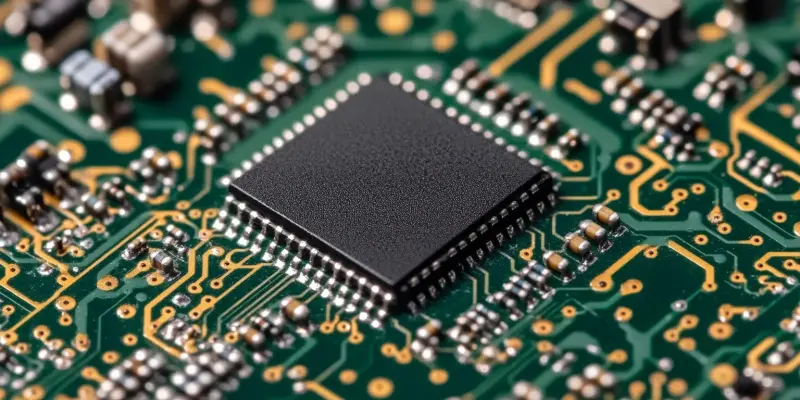
The semiconductor industry has seen monumental shifts over the decades, but TSMC’s recent expansion ceremony for its Fab 22 in Kaohsiung, Taiwan, marks a particularly significant milestone. With the formal introduction of the 2nm (N2) process, TSMC aims to revolutionize technology while fiercely committing to its Taiwanese roots. This new era signifies a significant $45 billion investment, projected to generate at least 7,000 tech jobs and to further cement Taiwan’s critical role in global semiconductor production. Industry giant Apple is anticipated to be among the first to capitalize on this cutting-edge technology, placing orders for the N2 process.
Pioneering Technological Innovations
Transitioning from FINFET to GAA Transistor Nanosheets
One of the most compelling components of TSMC’s N2 process is the technological leap from the long-utilized FINFET process to gates-all-around (GAA) transistor nanosheets. This evolution marks a major enhancement in both performance and energy efficiency, setting a new industry standard. The GAA structure allows for tighter transistor packing and better control over electrical current, which significantly reduces power consumption and heat generation. Despite the anticipated high cost, with each wafer potentially costing around $30,000, the performance gains promise to outweigh the expenditure for many tech giants.
The production capacity of the N2 process is also robust. Early estimates suggest that TSMC could produce up to 50,000 N2 wafers per month by the end of the year, with some sources projecting even higher outputs reaching up to 80,000 wafers. This scale of production demonstrates TSMC’s capability to meet the soaring demand for advanced semiconductor technology, crucial for next-generation devices.
Future Implementation of Super Power Rail
Despite its groundbreaking advancements, TSMC’s N2 process is currently missing one notable feature: the backside power delivery network (BPDN). Dubbed “Super Power Rail,” this technology is slated for future implementation, a necessity driven by the increasing power demands of modern applications. TSMC plans to incorporate Super Power Rail after Intel’s rollout of their 18A node with PowerVia, signifying an ongoing competitive race within the semiconductor industry. The introduction of BPDN will further enhance power efficiency and operational performance, thereby broadening the scope of applications suitable for the N2 process.
Strategic Commitment to Taiwan
Domestic Investments and Global Expansion
TSMC’s investment extends beyond technological advances, emphasizing a strong commitment to Taiwan’s economic and technological future. The massive expansion of Fab 22 in Kaohsiung, coupled with production at Fab 20 near Baoshan, highlights Taiwan’s pivotal role in TSMC’s strategy. This domestic focus aligns with TSMC’s efforts to balance its international growth, particularly with the establishment of a US-based fab, Fab 21, which currently uses older-generation technology.
The investments in Taiwan are not merely symbolic but reflect TSMC’s strategy of leveraging local expertise and existing infrastructure to pioneer new technological frontiers. This dual approach assures stakeholders of TSMC’s dedication both to its home base and to global expansion efforts, fostering a balanced and resilient growth trajectory.
Balancing Innovation and Sustainability
TSMC’s N2 process is emblematic of the company’s drive for innovation while maintaining sustainability. The shift to GAA transistor nanosheets not only offers performance enhancements but also aligns with broader industry trends toward ecological responsibility. By improving energy efficiency and reducing heat generation, TSMC is positioning itself as a leader in sustainable semiconductor manufacturing. This move is likely to attract environmentally conscious clients and partners, further solidifying TSMC’s market position.
TSMC’s Leadership in the Semiconductor Industry
Continuous Innovation and Competitive Edge
The introduction of the 2nm process underscores TSMC’s dedication to innovation and its competitive edge in the semiconductor industry. By staying ahead in technological advancements such as GAA transistor nanosheets and future enhancements like Super Power Rail, TSMC ensures its leadership position. This commitment to continuous improvement is vital in an industry characterized by rapid evolution and intense competition. TSMC’s ability to foresee and adapt to industry needs positions it as a frontrunner, constantly setting and surpassing benchmarks.
Having Apple among the initial adopters of the N2 process further validates TSMC’s strategic decisions. This partnership not only enhances TSMC’s visibility but also underscores the trust that leading tech companies place in its capabilities. The success of such collaborations often dictates industry trends, reinforcing TSMC’s role as an innovation catalyst.
Strengthening Industry Standards
TSMC’s advancements are also instrumental in setting new standards within the semiconductor industry. The shift to GAA transistor nanosheets is expected to be a benchmark that other manufacturers will aim to achieve or surpass. This ripple effect ensures that the entire industry continues to evolve, fostering a competitive yet collaborative environment where technological frontiers are continually expanded. TSMC’s influence thus extends beyond its direct outputs, shaping the future landscape of semiconductor manufacturing globally.
The Future of Semiconductor Innovation
Upcoming Technologies and Challenges
TSMC’s relentless pursuit of innovation does not end with the introduction of the 2nm process. As the company prepares for the eventual integration of Super Power Rail and explores other groundbreaking technologies, it also faces the challenge of maintaining its lead against formidable competitors. The landscape of semiconductor manufacturing is dynamic, with rapid advancements necessitating continuous research and development investments. TSMC’s strategic focus on both immediate and long-term goals ensures a balanced approach to overcoming these challenges, paving the way for sustained industry leadership.
Implications for the Global Market
The global semiconductor market is poised to undergo significant changes as a result of TSMC’s advancements. The introduction of the N2 process is likely to stimulate further innovations across the industry, triggering a new wave of technological evolution. This shift will influence not only manufacturing practices but also the development of new applications in various sectors, including consumer electronics, automotive technology, and artificial intelligence. TSMC’s role in this transformation highlights the interconnected nature of technological progress and market dynamics, emphasizing the broader impact of its innovations.
A Transformative Era Ahead
The semiconductor industry has experienced monumental changes over the years, but the recent opening of TSMC’s Fab 22 in Kaohsiung, Taiwan, stands as a notable milestone. This expansion event not only highlights TSMC’s ongoing commitment to its Taiwanese roots but also marks the formal introduction of the groundbreaking 2nm (N2) process. This technological leap aims to revolutionize the sector, backed by a staggering $45 billion investment. This massive financial commitment is expected to create at least 7,000 new tech jobs, further solidifying Taiwan’s pivotal role in the global semiconductor market. Apple, one of the industry’s titans, is poised to be among the first to utilize this state-of-the-art N2 technology, placing significant orders to integrate it into their products. This development underscores both TSMC’s technological prowess and Taiwan’s strategic importance in semiconductor production, setting a new benchmark for innovation and economic growth in the industry.