

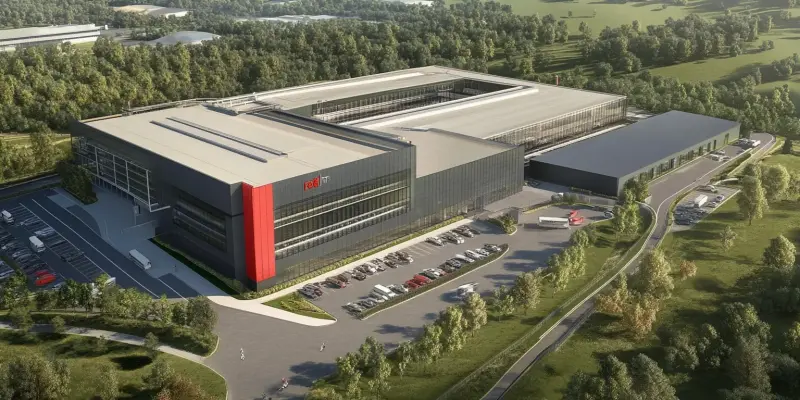
The recent acquisition of the Redhill Data Centre by Castleforge and Galaxy Data Centers marks a significant development in London’s digital market. This move, valued at over £100 million, underlines the growing importance of robust digital infrastructure in the city. The Redhill facility spans an impressive 11,800 square meters and is strategically positioned near central London, offering proximity to Gatwick Airport and key data hubs. Its commitment to being powered by 100% green energy aligns with the increasing emphasis on sustainability in the digital sector. This acquisition not only reflects the growing demand for digital services but also highlights the strategic importance of London in the European and global data center market.
Strategic Expansion and Increasing Capacity
Potential for Future Growth
The acquisition of the Redhill Data Centre is a significant move to meet the high demand in the digital market, primarily fueled by AI and cloud computing. With 26 MVA of existing power distributed across seven data halls, the facility has ample capacity to support current tenants, which include 26 Fortune 500 companies. The planned expansion to 10-15 MW is expected to further enhance its position as a leading South London edge hyperscale data center. This potential for expansion will address increasing digital needs and provide additional capacity for new tenants seeking reliable and efficient data center services.
Additionally, the expansion will solidify Redhill’s status as a critical hub for digital services in South London. The rapid growth in digital services requires data centers to adapt quickly to changing needs, ensuring scalability and efficiency. Castleforge and Galaxy Data Centers’ strategic investment in expanding the Redhill facility is a proactive step to meet these evolving demands. This expansion aligns with the broader trend of infrastructure development in the data center market, ensuring that London remains at the forefront of digital innovation and services.
Expertise of Galaxy Data Centers
Galaxy Data Centers brings extensive experience managing data centers across diverse regions, including North America, EMEA, and Southeast Asia. This wealth of knowledge will be essential in optimizing the Redhill facility’s capabilities to meet future demands. Dave Misra, Managing Partner of Galaxy Data Centers, emphasized the company’s commitment to growth in the London market, noting the increasing need for scale, power, and density to support customers’ digital operations. Their expertise will be crucial in enhancing the facility’s infrastructure to meet the future needs of tenants.
The focus on providing a robust and scalable infrastructure is a key component of Galaxy Data Centers’ strategy. Their experience in managing similar facilities globally ensures that they are well-equipped to handle the complexities of the Redhill facility. This expertise will be instrumental in driving the facility’s growth and ensuring that it meets the evolving needs of the digital market. As the demand for AI, cloud computing, and other digital services continues to rise, having a knowledgeable team to manage and optimize the facility will be critical to its success.
Growth of the European Data Center Market
Competitive Landscape in London
The European data center market, particularly in London, has been experiencing rapid growth, driven by the increasing demand for digital services. According to CBRE data, the market saw a nearly 20% year-on-year growth in Q1 2024, with significant developments in key cities like Frankfurt, Amsterdam, and Paris. London stands out as the largest and most dominant data center market in Europe and ranks second globally after Northern Virginia. This growth highlights the importance of strategic investments like the Redhill Data Centre acquisition in maintaining London’s competitive edge in the global digital ecosystem.
London’s strategic importance is further underscored by its robust telecommunications infrastructure and proximity to major financial and commercial hubs. The demand for low-latency connections and reliable digital services is driving investments in data center facilities across the city. The acquisition and expansion of the Redhill facility are well-timed to capitalize on these trends, ensuring that London continues to attract significant data center investments. This competitive landscape necessitates continuous innovation and investment in infrastructure to maintain London’s position as a global leader in the data center market.
Castleforge’s Strategic Vision
Castleforge’s decision to acquire an operational data center in such a vital market as London is expected to yield significant returns on investment. The facility’s proximity to the city offers essential fast connections for various digital services, making it a critical hub for enterprises. Adam MacLeod from Castleforge highlighted the acquisition’s strategic importance, anticipating numerous future opportunities tied to ongoing digital innovation. This investment reflects Castleforge’s commitment to supporting London’s digital infrastructure and addressing the growing demand for data services.
The strategic vision behind this acquisition is to leverage London’s position as a leading digital market to foster growth and innovation. By investing in the Redhill Data Centre, Castleforge aims to provide scalable, efficient, and sustainable infrastructure that meets the evolving needs of modern digital services. This focus on future-proofing the facility ensures that it remains a key player in the global digital landscape, supporting the growth of AI, cloud computing, and other data-intensive applications. The combination of strategic location and advanced infrastructure positions the Redhill Data Centre as a critical asset in London’s digital ecosystem.
Conclusion
The recent acquisition of the Redhill Data Centre by Castleforge and Galaxy Data Centers represents a significant milestone in London’s digital market. With a deal valued at over £100 million, this move emphasizes the critical role of robust digital infrastructure in the city. The expansive Redhill facility covers an impressive 11,800 square meters and is strategically located near central London, providing easy access to Gatwick Airport and essential data hubs. Its commitment to using 100% green energy aligns with the growing focus on sustainability within the digital sector. This acquisition not only showcases the rising demand for digital services but also underscores London’s strategic significance in the European and global data center market. The facility’s eco-friendly approach to power is particularly noteworthy in today’s climate-conscious world. Overall, this development highlights the essential role London plays as a hub for data services and its continued importance on the global stage.