

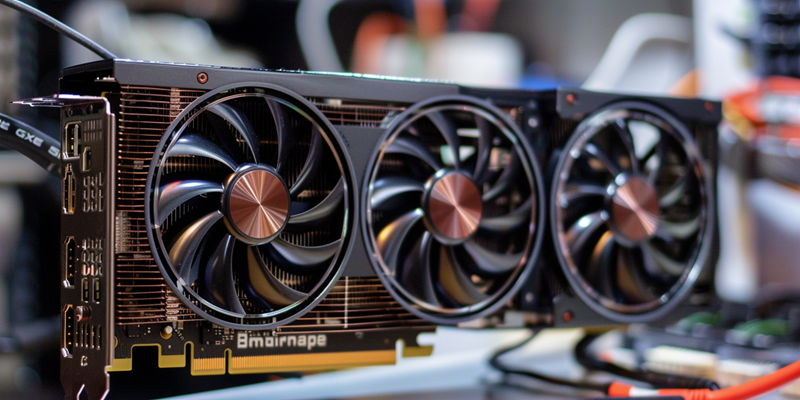
Intel’s unveiling of the Xe HPG (High Performance Gaming) microarchitecture, named Xe2, signifies a major shift in the computing landscape. With a boastful 50% performance improvement over its predecessors, the Xe2 stands as a testament to Intel’s relentless drive for technological excellence. Premiering at ITT 2024, this next-gen GPU architecture is set to first enhance the power of Intel’s upcoming Lunar Lake CPUs before making its much-anticipated debut in the Arc discrete graphics series, codenamed “Battlemage.” Moving away from previous GPU nomenclatures, the simplified classification heralds a new era for Intel, tailoring its design to slice through the inefficiencies that held back earlier generations. With the Xe2, Intel is making a concerted effort to dominate a broad spectrum of computing needs, promising to redefine performance standards across different platforms.
Unveiling Intel’s Next-Generation GPU: Xe2 Architecture
Intel’s revelation at ITT 2024 is nothing short of groundbreaking. The Xe2 GPU architecture promises a remarkable 50% uplift in performance, positioning Intel as a formidable contender in the competitive GPU market. The architecture’s debut on Lunar Lake CPUs signifies the start of Intel’s ambitious expansion into various computational applications. The industry eagerly awaits the subsequent roll-out in the Arc “Battlemage” discrete graphics lineup. This innovative architecture promises not only superior performance but also marks Intel’s strategic move to assert a commanding presence across a wide range of computing platforms, from embedded systems to high-end standalone GPUs.
Behind the Technology: Core Architecture Design
The Xe2 architecture’s groundbreaking enhancements are designed to maximize computing efficiency and exploit the full potential of software collaborations. A redesign to native SIMD16 engines exemplifies a significant advance in compute resource management. The architecture is now better equipped to manage complex operations with improved components, including eight Vector Engines and eight XMX Engines, supporting a wide variety of data operations. Such targeted refinements reveal Intel’s commitment to addressing the extensive range of computing demands, incorporating both versatility and power into the Xe2’s DNA, and placing it at the forefront of next-generation GPU technology.
Render Slices: A Glimpse into GPU Scalability and Efficiency
The Xe2’s impressive capabilities stem from its innovative Render Slices. These scalable units elegantly adapt to varying performance demands, demonstrating Intel’s resolved focus on eliminating bottlenecks and enhancing throughput. The upgraded Geometry Engines and a novel cache system combine to create powerful hardware that not only reduces latency but also ensures optimal performance. Intel’s reimagined Pixel Backends herald this transformation, driving the Xe2 architecture to new heights in processing power. This realignment of the GPU’s core elements reaffirms Intel’s commitment to leading the graphics processing arena.
Enhanced Ray Tracing: Forging Ahead with Realism in Rendering
As demands for life-like visuals soar, the Xe2 architecture’s updated Ray Tracing Unit (RTU) stands out as a crucial development. The RTU’s three traversal pipelines and enhanced intersection handling improve the architecture’s capability to produce stunningly realistic lighting effects, essential for immersive gaming and high-fidelity visuals. This advancement solidifies Intel’s position as an innovator in the visualization domain, poised to deliver detail and realism at unprecedented levels. Emphasizing efficiency in ray tracing computations, Intel’s progress establishes a new standard for visual accuracy and performance.
Lunar Lake: Harmonizing Efficiency with Performance
Lunar Lake CPUs, integrated with the Xe2 GPU architecture, not only demonstrate a 50% spike in performance but also a dedication to energy-efficient operation. These processors represent Intel’s strategic balance of power and conservation, resulting in a significant reduction in power consumption while maintaining high performance. This balance within the Lunar Lake range is a testament to Intel’s foresight in designing CPUs that rise to the challenges of tomorrow without overburdening the environment. This approach reflects a growing demand for eco-friendly technology without sacrificing computational excellence standards.
A New Era of Visuals: Intel’s Display Engine
The Xe2 architecture extends its reach to the Display Engine in Lunar Lake, heralding support for ultra-high-definition video and top-tier multimedia capabilities. Aimed at resolutions up to 8K60 HDR, this cutting-edge design readies the platform for enhancing visual experiences to levels yet unseen. By embracing advanced video standards and ensuring adaptive visual quality, Intel intends to deliver not just a boost in specifications but a versatile and energy-efficient visual experience responsive to the rapidly growing visual demands of the modern world.
Media Engine: Optimizing Video for the Next Generation
Within Lunar Lake processors, the Media Engine has evolved significantly, featuring a specialized side cache designed to revolutionize bandwidth utilization and power efficiency. Incorporating the VVC codec for video streaming is a bold step toward achieving higher compression rates without compromising video quality. This evolution is set to reshape media consumption, manifesting Intel’s commitment to leading the way in optimizing video content for an era defined by high-definition streaming and content creation.
Software Synergy: Windows GPU Stack and Intel’s Vision
Critical to the Xe2 architecture’s innovation are substantial advancements aimed at boosting computing productivity and optimizing collaborative software capabilities. Intel’s re-engineered architecture, now featuring native SIMD16 engines, is a significant leap toward better computational resource efficiency. Tuned for more sophisticated operations, it includes eight Vector Engines and eight XMX Engines, essential for a wide range of data-related tasks. These purposeful enhancements underscore Intel’s dedication to fulfilling diverse computing requirements. The combination of versatility and strength embedded in the Xe2 architecture marks its critical role in advancing GPU technology, poised to power the next wave of computational innovation and performance.