

Modern households and professional home offices now rely on wireless networking as the invisible backbone of daily existence, making the selection of a router one of the most consequential technology decisions a consumer can face. The current digital landscape is defined by an intricate web of high-bandwidth activities, ranging from immersive virtual reality meetings to the constant telemetry of dozens of smart home sensors, all of which demand a level of stability that was once reserved for enterprise-grade data centers. As the complexity of these networks grows, the criteria for choosing hardware have moved beyond simple speed benchmarks to include sophisticated traffic management, robust security protocols, and the ability to penetrate the physical barriers of modern architecture. Finding the right balance requires a deep understanding of how current wireless standards interact with the unique demands of a specific environment. The transition toward permanent hybrid work models has permanently altered the expectations placed on residential networking equipment, turning the router into a mission-critical piece of infrastructure rather than a mere peripheral. In this environment, a failure in connectivity is not just a minor inconvenience but a total disruption of productivity and education, necessitating a more rigorous approach to hardware selection that prioritizes reliability over raw marketing claims. Manufacturers have responded by developing systems that are increasingly autonomous, using advanced algorithms to navigate congested airwaves and ensure that critical data streams always receive the priority they deserve. This evolution represents a fundamental shift in home networking, where the focus has moved from providing basic access to delivering a seamless, high-performance experience that remains invisible to the end user while supporting a vast array of simultaneous connections.
The Shifting Landscape of Home Connectivity
The networking environment of the current year is defined by an unprecedented density of connected devices, which has forced a total reconsideration of how bandwidth is distributed across the home. It is no longer unusual for a standard household to support fifty or more simultaneous connections, encompassing everything from high-performance workstations and gaming consoles to low-power appliances and security cameras. This massive influx of hardware creates a noisy electromagnetic environment where traditional routers often struggle to maintain consistent throughput. Consequently, the primary challenge for modern routers is not just the maximum speed they can deliver to a single device, but their collective capacity to manage a diverse and heavy workload without allowing any single connection to suffer from latency or packet loss. Long-term evaluations of networking hardware indicate that the physical layout of a dwelling remains the single most important factor in determining the effectiveness of a router deployment. Modern building materials, such as reinforced concrete, radiant heat flooring, and energy-efficient glass, act as significant barriers to high-frequency wireless signals, often necessitating more complex solutions than a single central access point. Professional testing protocols now emphasize the importance of signal “penetration” and “stability” over long distances, recognizing that a router’s theoretical top speed is irrelevant if the signal cannot reach the home office or the outdoor security perimeter. This reality has led to a market where specialized hardware configurations, tailored to specific architectural challenges, have become the standard recommendation for ensuring comprehensive and reliable coverage.
Navigating Wireless Standards from Wi-Fi 6 to Wi-Fi 7
Choosing the correct wireless standard is the most critical technical decision when upgrading a home network, as it dictates the potential longevity and efficiency of the entire system. While Wi-Fi 6 continues to serve as a reliable and cost-effective foundation for many users, the current market is increasingly dominated by Wi-Fi 6E and the high-performance capabilities of Wi-Fi 7. Wi-Fi 6E was a transformative development because it unlocked the 6GHz band, providing a massive, uncongested highway for data that is entirely separate from the interference-prone 2.4GHz and 5GHz frequencies. This new spectrum is essential for households in high-density urban areas, such as apartment complexes or townhomes, where hundreds of competing networks often overlap and degrade performance on legacy bands. The emergence of Wi-Fi 7 has introduced even more significant improvements, offering theoretical speeds that far exceed the requirements of standard internet service plans but provide immense benefits for internal network traffic. By utilizing 320MHz wide channels and Multi-Link Operation, Wi-Fi 7 allows compatible devices to send and receive data across multiple frequency bands simultaneously, which virtually eliminates the buffering and lag associated with older technology. This capability is particularly vital for the growing use of high-fidelity augmented reality and cloud-based gaming services, where even a millisecond of delay can disrupt the user experience. While these top-tier routers require a higher initial investment, they provide a degree of future-proofing that ensures the network will remain capable as next-generation devices become more prevalent.
Leading Hardware Solutions for Diverse User Needs
The current market offers a wide spectrum of hardware designed to meet the specific needs of different types of users, from the casual browser to the high-stakes professional. For the majority of consumers, tri-band Wi-Fi 6E routers represent the ideal intersection of performance and value, offering access to the clean 6GHz spectrum without the extreme costs associated with the newest Wi-Fi 7 flagships. These mid-range devices are typically equipped with powerful processors and sufficient memory to handle multiple 4K video streams while simultaneously managing a large collection of smart home devices. They serve as a robust reliable core for a modern digital home, providing a noticeable upgrade in stability and speed over the older dual-band units that were common just a few years ago.
In contrast, power users and tech enthusiasts often require the absolute maximum performance offered by Wi-Fi 7 hardware, particularly units that include 10-gigabit Ethernet ports. These routers are designed for homes with ultra-high-speed fiber optic connections where the goal is to eliminate any possible bottleneck between the internet service provider and the end-user device. While these units are often physically large and feature aggressive cooling systems to maintain peak performance, their ability to handle massive data transfers and hundreds of concurrent connections makes them indispensable for specific high-demand scenarios. Furthermore, many of these premium devices include advanced software suites that offer deeper insights into network health and more granular control over how bandwidth is allocated to different devices.
Understanding the Role of Radio Frequencies
Optimizing a home network requires a strategic understanding of how different radio frequencies behave and which devices should be assigned to each band. The 2.4GHz band, despite being the oldest and slowest frequency, remains a vital component of a modern network because of its exceptional range and ability to pass through solid objects like walls and furniture. In a modern setup, this band is most effectively used for low-bandwidth Internet of Things devices that do not require high speeds but need a consistent connection from distant parts of the home. By offloading these smaller tasks to the 2.4GHz frequency, users can free up the more powerful bands for high-performance activities like video conferencing and streaming.
The 5GHz and 6GHz bands are where the heavy lifting occurs, providing the high-throughput “pipes” necessary for data-intensive applications. The 5GHz band offers a balanced approach, providing high speeds with decent range, making it the primary connection point for most smartphones, tablets, and laptops. However, the 6GHz band is the true standout for performance-critical tasks, offering massive bandwidth and almost zero interference from older electronics. Because the 6GHz signal has a shorter range and is more easily blocked by physical barriers, it is most effective when the device is in the same room or has a clear line of sight to the router. Strategic placement of the router or mesh nodes is therefore essential to ensure that this high-speed lane is accessible where it is needed most.
Essential Connectivity and Smart Home Features
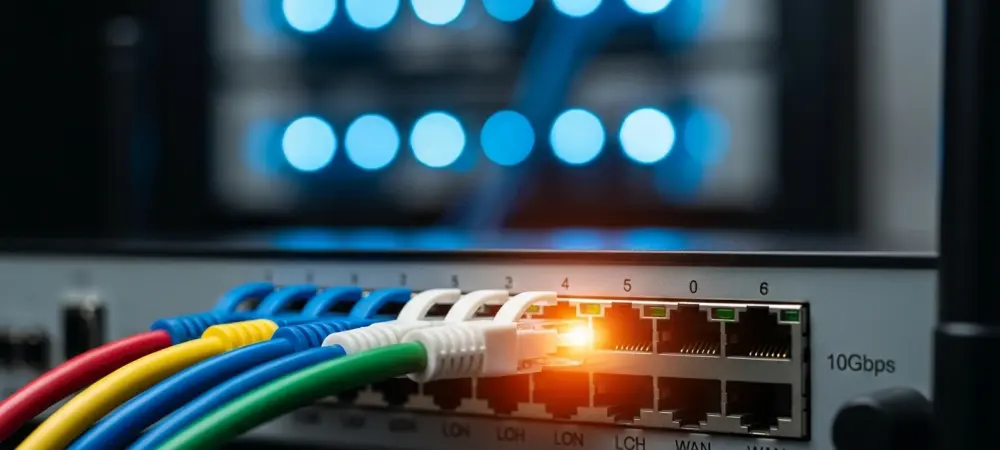
The physical connectivity options on a router have become just as important as the wireless performance, especially as internet service providers begin to offer speeds that exceed one gigabit. A modern router should ideally feature at least one multi-gigabit WAN port and several high-speed LAN ports to support wired connections for devices like gaming PCs, network-attached storage, or media servers. These wired connections offer the lowest possible latency and the most stable speeds, which is crucial for tasks that require the movement of massive files or real-time interaction. Furthermore, many high-end routers now support link aggregation, allowing two separate ports to be combined into a single high-bandwidth connection for even greater performance.
Beyond simple data transmission, the router has increasingly taken on the role of a centralized hub for the entire smart home ecosystem. Modern units often include native support for the Matter and Thread protocols, which allows them to communicate directly with a wide variety of smart devices without the need for additional, proprietary bridges. This integration simplifies the management of the home network and improves the responsiveness of smart devices, as commands can be processed locally by the router rather than being sent to a distant cloud server. This shift toward an all-in-one connectivity hub makes the router the most important piece of hardware for anyone looking to build a cohesive and efficient smart home environment that is easy to manage and expand.
Strategies for Expanding Coverage in Large Spaces
Achieving consistent wireless coverage in a large or architecturally complex home often requires moving beyond a single-router setup to a more distributed network architecture. For users who only have a small “dead zone” in a specific room, a high-quality range extender can provide a cost-effective solution by capturing the existing signal and rebroadcasting it into the problematic area. However, extenders typically create a secondary network name and can cut the available bandwidth in half, which may not be suitable for high-performance needs. They are best used as a surgical fix for minor coverage gaps rather than a comprehensive solution for a large property where seamless connectivity is the primary goal. Mesh systems have emerged as the gold standard for providing whole-home coverage in larger residences, using a network of interconnected nodes to create a single, unified wireless fabric. Unlike traditional extenders, mesh nodes communicate with each other intelligently, allowing a device to transition from one node to another without any interruption in the connection or a drop in speed. This “seamless roaming” is essential for users who frequently move around the house while on video calls or streaming content. While mesh systems generally represent a higher upfront cost and may offer fewer manual configuration options than high-end standalone routers, their ability to provide high-speed, reliable internet to every corner of a large home makes them the most practical choice for many modern families.
Economic Tiers and Market Dynamics
The router market is currently divided into distinct economic tiers that allow consumers to select hardware based on their specific performance requirements and budget constraints. Budget-friendly Wi-Fi 6 routers remain a highly capable choice for residents of small apartments or individuals with basic internet needs, providing plenty of speed for 4K streaming and standard remote work. These devices focus on the essentials, often omitting the 6GHz band and multi-gigabit ports to keep costs low, but they still benefit from modern security protocols and efficient traffic management. For many users, these reliable entry-level devices represent the most sensible choice, as they provide a stable foundation without the unnecessary expense of enthusiast-level features.
Moving into the mid-range and high-end tiers, the focus shifts toward providing the highest possible throughput and advanced management features. Mid-range routers, typically priced between two hundred and four hundred dollars, offer a balanced feature set that includes Wi-Fi 6E support and more robust hardware capable of managing a larger number of simultaneous connections. At the top of the market, enthusiast-grade Wi-Fi 7 systems and expansive mesh kits represent a significant investment but provide the absolute ceiling of current networking technology. These premium devices are built for those who require the most future-proof hardware available, ensuring that their home network remains at the cutting edge for several years to come as internet speeds and device requirements continue to escalate.
The Integration of Security and Software Management
Security has become a paramount concern in home networking, leading to the widespread adoption of the WPA3 encryption protocol as the minimum standard for modern routers. This standard provides significantly improved protection against unauthorized access and brute-force attacks, ensuring that the personal data of everyone on the network remains secure. Furthermore, most reputable manufacturers now implement automatic, background firmware updates, which allow routers to receive the latest security patches and performance improvements without any effort from the user. This “set it and forget it” approach to security is a vital development, as it ensures that even non-technical users are protected against the latest digital threats.
The way users interact with their home networks has also been revolutionized by the transition from complex web-based interfaces to intuitive mobile applications. These apps allow for the easy setup of guest networks, the implementation of robust parental controls, and real-time monitoring of which devices are consuming the most bandwidth. Many routers now also include built-in VPN client support, which allows for the encryption of all internet traffic at the router level, protecting every connected device—even those that do not natively support VPN software. This democratization of advanced networking features ensures that anyone can maintain a secure, high-performance home network with just a few taps on their smartphone, regardless of their technical expertise.
Emerging Trends in Performance and Sustainability
Artificial intelligence has begun to play a transformative role in how modern routers manage the complex traffic patterns of a busy household. Advanced firmware can now analyze data packets in real-time, identifying the difference between a critical video conference call and a background software update, and automatically prioritizing the more important task. This proactive approach to traffic management ensures a smooth experience for all users, even when the network is under heavy load, and eliminates the need for manual Quality of Service adjustments. As these AI models become more sophisticated, routers will continue to get better at predicting user needs and optimizing the wireless environment to prevent interference before it ever impacts performance.
Sustainability and energy efficiency have also become key considerations for hardware manufacturers, leading to the development of “green” networking features that reduce power consumption without sacrificing performance. Technologies like Target Wake Time allow the router to schedule when client devices should wake up to receive data, significantly extending the battery life of smartphones and IoT sensors while allowing the router to enter a lower-power state during periods of inactivity. Additionally, the physical design of routers has moved toward more minimalist, aesthetic forms that blend seamlessly with home decor. By designing hardware that looks like a piece of high-end furniture rather than an industrial machine, manufacturers encourage users to place routers in central, open locations where they can perform at their absolute best.
Specialized Equipment for Professional Use Cases
For individuals whose professional lives depend on constant connectivity, specialized router features like Dual-WAN support have become increasingly important. This capability allows a router to maintain two separate internet connections simultaneously—such as a primary fiber line and a secondary 5G cellular backup—and automatically switch between them if one fails. This level of redundancy ensures that critical work, such as live broadcasting or high-stakes financial trading, is never interrupted by a local service outage. While these features were once exclusive to expensive enterprise hardware, they are now available in high-end consumer routers, providing professional-grade reliability to the home office.
Content creators and competitive gamers also benefit from specialized hardware that prioritizes extremely low latency and high upstream bandwidth. Wi-Fi 7 is particularly transformative for these users, as its ability to reduce “jitter” and lag ensures a perfectly responsive experience during high-intensity online sessions. High-performance routers in this category often feature robust internal cooling systems and specialized processors to handle the massive data loads associated with 8K video streaming or hosting high-capacity game servers. By investing in hardware that is specifically tailored to these high-demand scenarios, professionals and enthusiasts can ensure that their network is a powerful tool that enables their work and hobbies rather than a limitation that holds them back.
Actionable Steps for Building a Future Proof Network
The evolution of wireless technology has reached a point where the selection of a router was no longer just about speed, but about creating a stable and intelligent environment for all digital activities. High-performance systems like the TP-Link Archer series or the eero mesh kits demonstrated that modern hardware could balance extreme capability with user-friendly management. The move toward Wi-Fi 7 and the 6GHz band solidified the foundation for the next decade of connectivity, ensuring that even as internet service providers continued to increase speeds, the home network would not become a bottleneck. Strategic investments in multi-gigabit ports and Matter-compatible hubs became the standard advice for those looking to build a truly integrated and efficient household.
Looking forward, the focus for any consumer should be on assessing their physical space and device count to determine the most effective architecture for their specific needs. It was clear that a one-size-fits-all approach no longer applied, as a large suburban home required a vastly different solution than a dense urban apartment. By prioritizing features like WPA3 security, automatic firmware updates, and the expanded spectrum of Wi-Fi 6E or Wi-Fi 7, users were able to secure their digital lives while enjoying unprecedented performance. The ultimate goal for any new network installation was to achieve a “transparent” experience where the hardware functioned so reliably that the user never had to think about it, providing a consistent and secure gateway to the global digital community.