

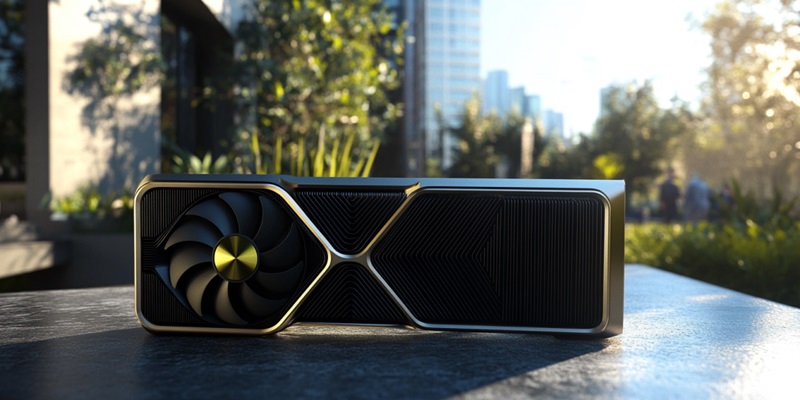
The gaming industry is abuzz with anticipation as Intel prepares to launch its second-generation Arc Battlemage GPUs, poised to revolutionize the discrete GPU market. Building on the foundations laid by their first-generation Arc Alchemist GPUs, the Battlemage series promises substantial performance enhancements and technological advancements. This article delves into the myriad ways these innovations are set to redefine the gaming landscape.
Intel’s foray into the dedicated GPU market with its Arc series signaled a renewed commitment to challenging entrenched leaders like NVIDIA and AMD. While the Alchemist GPUs laid the necessary groundwork, their journey was riddled with challenges, from driver support issues to underwhelming market reception. However, these early experiences have been invaluable in shaping the development of the Battlemage series. Intel now stands on the cusp of a technological revolution that promises to set new benchmarks in gaming performance and efficiency.
Evolution from Alchemist to Battlemage
As Intel transitions from the Alchemist to the Battlemage architecture, the company’s journey has been marked by a steep learning curve. Alchemist GPUs laid essential groundwork, helping Intel understand the intricacies of the discrete GPU market. The insights gained during this phase are being leveraged to refine and enhance the upcoming Battlemage series. The Battlemage GPUs are built on the innovative Xe2 core architecture, promising up to a 50% performance improvement over their predecessors. This leap in performance is facilitated by significant technological upgrades, including larger configurations, faster memory subsystems, and expanded caches. The advancements aim to provide gamers with unparalleled performance and efficiency, setting a new standard in the industry.
Intel’s commitment to continuous improvement is evident in the development process of the Battlemage GPUs. The company began working on the new architecture shortly after completing the Alchemist series, ensuring a seamless transition and integration of lessons learned. This proactive approach underscores Intel’s dedication to becoming a dominant player in the gaming GPU market. By leveraging early lessons and focusing on architectural advancements, Intel aims to offer a more robust and competitively priced product that attracts a wide spectrum of gamers. This strategic pivot is a testament to Intel’s adaptability and relentless pursuit of excellence in the GPU sector.
Technological and Architectural Innovations
The Arc Battlemage GPUs are more than just an incremental update; they represent a substantial technological leap. One of the most significant enhancements is the integration of second-generation Arc Ray Tracing Units, designed to deliver superior graphics and immersive gaming experiences. These units are expected to provide better ray tracing capabilities, crucial for realistic lighting and shadows in modern games. The improved ray tracing performance will enable games to render scenes with greater depth and visual fidelity, enhancing the overall gaming experience. Adding new AI instructions not only boosts the performance of the GPUs but also facilitates more sophisticated computations, empowering developers to create complex and engaging gaming and AI applications.
Another key innovation is the introduction of new AI instructions, which enhance the overall performance and efficiency of the GPUs. These instructions allow for more sophisticated computations, helping to drive the next generation of gaming and AI applications. Additionally, the Battlemage architecture features deeper and larger caches, reducing latency and improving data access speeds. The upgraded media and display engines in Battlemage GPUs represent another significant advancement. These enhancements enable support for higher resolutions and refresh rates, providing gamers with a smoother and more responsive experience. Combined with improved core utilization and software frameworks, these innovations position the Battlemage GPUs as a game-changing development in the world of gaming hardware.
Strategic Market Positioning
Intel’s strategic approach to the GPU market involves targeting the mainstream gaming segment initially, which forms the largest part of the PC gaming market. By focusing on this segment, Intel aims to capture a substantial market share before potentially expanding into the high-end gaming sector. This strategy allows the company to build a strong foundation and gain valuable insights into user preferences and market dynamics. The decision to prioritize the mainstream segment is backed by extensive market research and analysis. Intel recognizes that catering to this broad audience requires a delicate balance of performance, price, and features. By offering competitive pricing and delivering significant performance improvements, the Battlemage GPUs are well-positioned to attract a wide range of gamers.
Intel’s market strategy also involves fostering a robust ecosystem to support its GPUs. This includes strengthening relationships with game developers, enhancing driver support, and ensuring seamless integration with popular gaming platforms. By addressing these critical aspects, Intel aims to provide a comprehensive and satisfying gaming experience for its users. The combination of a focused market entry strategy and ecosystem support makes Intel’s approach both practical and ambitious. As they fortify their presence in the mainstream gaming market, Intel is setting the stage for future dominance, aiming to become a formidable competitor in the high-end segment over time.
Unified Performance Metrics
One of the core focuses of the Battlemage architecture is optimizing unified performance metrics, specifically performance per watt and performance per area. These metrics are crucial for evaluating the efficiency and effectiveness of GPUs, particularly in gaming scenarios where power consumption and thermal performance are critical factors. The Battlemage GPUs are designed to deliver consistent improvements in these areas, ensuring that gamers can enjoy high performance without compromising on efficiency. This focus on performance per watt ensures that the GPUs not only deliver powerful gaming experiences but also adhere to energy efficiency and environmental standards. Such considerations position Battlemage GPUs favorably in a market that increasingly values sustainable and eco-friendly technology.
The architecture includes different configurations for integrated GPUs in Lunar Lake SOCs (System on Chips) and discrete Battlemage GPUs, allowing for optimal performance under varying power constraints. This versatility is a significant advantage, enabling Intel to address diverse customer needs across different device categories. By prioritizing efficient performance metrics, Intel aims to offer gamers a compelling combination of power and sustainability. This focus on balanced performance aligns with broader industry trends towards energy efficiency and environmental consciousness. Unified performance metrics provide another layer of Intel’s holistic approach towards creating technologically advanced and user-friendly GPUs.
Future Potential and Market Expansion
The Arc Battlemage GPUs mark a significant technological advancement far beyond a simple upgrade. A standout feature is the second-generation Arc Ray Tracing Units, engineered to deliver breathtaking graphics and immersive gaming. These units promise enhanced ray tracing, essential for realistic lighting and shadows in contemporary games. This improvement allows games to render scenes with greater depth and visual detail, vastly improving the gaming experience. The inclusion of new AI instructions not only boosts performance but also enables more advanced computations, empowering developers to create intricate and captivating gaming and AI applications.
Furthermore, the Battlemage architecture introduces deeper and larger caches, which minimize latency and enhance data access speeds. The GPUs also boast upgraded media and display engines supporting higher resolutions and refresh rates for a smoother, more responsive gaming experience. These advancements, combined with optimized core utilization and robust software frameworks, make Battlemage GPUs a groundbreaking development in gaming hardware. This integration of cutting-edge technologies positions the Battlemage series as a formidable player in the ever-evolving landscape of gaming technology.