

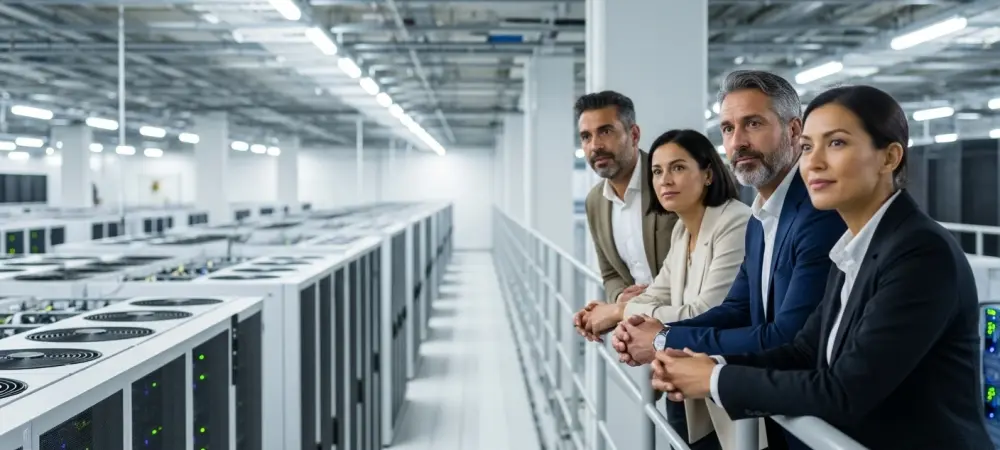
The rapid transition from traditional cloud storage to high-density artificial intelligence environments has fundamentally altered the metrics by which global data center performance is measured today. Rather than focusing solely on the speed of facility expansion, industry leaders are now prioritizing a model of intentional, long-term strategic design that balances computational power with environmental and social equilibrium. This evolution marks a departure from the reactive construction cycles of previous years, moving toward a framework where infrastructure is viewed as a permanent pillar of the digital economy. Success is currently defined by the ability to anticipate technological shifts well before they occur, ensuring that facilities can support the massive power and cooling demands of generative models and real-time processing. This shift requires a synthesis of technical foresight and capital discipline, where the objective is no longer just to meet current demand but to build a foundation that remains relevant through the end of the decade.
Engineering for Adaptive Thermal and Power Loads
The transition to high-density workloads has rendered traditional air-cooling methods insufficient for the modern facility, forcing a move toward liquid-based cooling systems. Direct-to-chip cooling and rear-door heat exchangers have become standard requirements for any site housing the latest generation of accelerators, which often exceed fifty kilowatts per rack. Consequently, facility design has shifted from a rigid, one-size-fits-all approach to a modular and flexible architecture that can be reconfigured as hardware requirements evolve. This technical adaptability ensures that a data center built today remains functional for high-performance computing tasks through 2026 and beyond, avoiding the risk of early obsolescence. Engineering teams are now tasked with managing complex fluid dynamics and power distribution networks that must remain stable under varying loads, emphasizing the need for robust telemetry and automated management systems to maintain peak efficiency.
Building on these technical advancements, the definition of scalability has expanded to include the vertical and horizontal integration of power infrastructure within the facility itself. Leaders are no longer simply looking for floor space; they are seeking locations that allow for the seamless addition of power capacity without disrupting existing operations. This involves designing electrical rooms and distribution paths with significant headroom, allowing for the transition from traditional workloads to AI-intensive tasks as customer needs shift. The focus has moved toward creating a “future-proof” blueprint that prioritizes thermal management as much as it does square footage. By integrating flexible cooling loops and variable-speed power components, operators can optimize their energy usage effectiveness in real time. This level of technical sophistication represents a primary competitive advantage, as it allows for the support of heterogeneous hardware environments that were previously impossible to manage.
Securing Energy Sovereignty and Grid Stability
As power scarcity becomes a central challenge for the industry, securing long-term energy partnerships and exploring on-site generation has become a vital component of successful leadership. The standard practice of relying purely on local utilities is being replaced by a more proactive approach involving the development of microgrids and the procurement of dedicated renewable energy sources. This shift towards energy sovereignty ensures that facilities can maintain uptime even as the broader grid faces increasing pressure from electrified transportation and industrial demand. Strategically, this means negotiating multi-year power purchase agreements and investing in battery storage systems that can provide both backup power and grid-balancing services. Leaders who successfully manage these utility relationships are better positioned to guarantee the reliability that high-level enterprise clients demand, particularly for mission-critical AI applications that require consistent, high-volume electrical throughput.
Furthermore, capital discipline and financial resilience have emerged as the primary drivers for long-term growth in an increasingly volatile global market. The sheer cost of building and operating modern high-density facilities requires a sophisticated understanding of financial structures and risk management. Successful operators are moving away from speculative development in favor of pre-leased, purpose-built sites that offer predictable returns over several years. This approach involves securing long-term commitments from technology vendors and power providers years in advance, ensuring that the supply chain remains stable despite fluctuations in material costs or labor availability. By maintaining a robust talent pipeline and a disciplined investment strategy, data center organizations can withstand economic shifts while continuing to innovate. This maturity in financial planning allows firms to focus on long-range goals, such as achieving carbon neutrality or pioneering new cooling technologies, rather than reacting to short-term market pressures.
Redefining Social Licenses and Local Ecosystems
Modern data center development is increasingly dependent on “community readiness,” a concept that elevates social responsibility to the same level of importance as technical specifications. The narrative surrounding the industry has shifted from viewing these facilities as isolated industrial boxes to seeing them as permanent local assets that must provide tangible value to their host regions. This involves establishing comprehensive community engagement programs that go beyond simple tax contributions to include scholarships, apprenticeships, and localized infrastructure improvements. By fostering deep connections with local governments and residents, data center leaders can secure a social license to operate that facilitates smoother permitting and expansion processes. Successful sites are now those that integrate into the local fabric, perhaps by providing waste heat to nearby residential districts or funding local tech education, thereby ensuring that the presence of the data center is viewed as a mutual benefit.
Ultimately, the leaders who successfully navigated the challenges of this period prioritized resilience and integration over simple growth. They recognized that the true measure of success was not found in the number of megawatts deployed, but in the ability of the infrastructure to adapt to an unpredictable technological landscape while maintaining strong ties to the community. The transition to advanced cooling and sustainable power was managed through rigorous planning and a commitment to operational transparency that built trust with both investors and the public. As the industry moved forward, the focus shifted toward actionable strategies that emphasized environmental stewardship and the creation of high-skilled jobs within local economies. This holistic approach ensured that the digital backbone of the world remained robust, sustainable, and capable of supporting the next wave of innovation. By fostering a culture of long-range planning, the sector transformed itself into a model of industrial stability and social responsibility that paved the way for future advancements.