

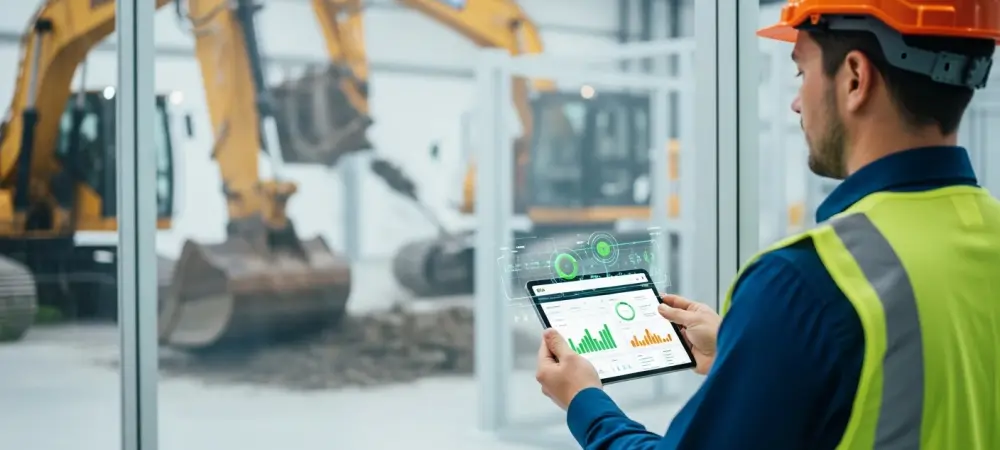
The modern industrial landscape is currently undergoing a radical transformation where the primary measure of workplace success is no longer historical accident rates but the number of potential disasters successfully averted through algorithmic foresight. As artificial intelligence transitions from a specialized computer science domain into the operational heart of the workspace, the profession is moving away from the burden of reactive documentation. Success is increasingly defined by the ability to utilize predictive data to intervene before a hazard escalates into a headline.
From Reactive Monitoring to Predictive Intelligence
The traditional approach to safety has long relied on a rear-view mirror, focusing on lagging indicators such as injury logs and workers’ compensation claims. However, the introduction of predictive intelligence allowed specialists to move beyond simple compliance into a space of active prevention. By analyzing millions of data points across various job sites, machine learning models identified patterns that human observation might overlook, essentially predicting where the next hazard was likely to manifest.
This shift changed the daily rhythm of the safety officer from an administrative investigator to a strategic analyst. Instead of spending hours filing paperwork after a fall or equipment failure, these professionals used real-time dashboards to deploy resources toward specific high-risk zones. The transition ensured that the workforce remained protected by a digital shield that learned and adapted to the unique environmental conditions of every facility, making safety a constant, living process.
The Strategic Shift in EHS Management
Integrating advanced technology into environmental, health, and safety (EHS) management became a fundamental requirement for maintaining competitive and secure operations. Leading organizations recognized that the complexity of modern industrial regulations demanded more than manual oversight. This realization prompted a reimagining of workplace protection, where digital tools acted as a central nervous system for organizational safety, linking every sensor and report to a unified strategy.
Organizations that embraced this digital evolution found that it bridged the gap between static safety manuals and the dynamic reality of the workshop floor. By treating safety as a data-driven discipline, leadership optimized risk management strategies in ways that were previously impossible. This movement elevated the safety professional to a key stakeholder in corporate strategy, as the ability to mitigate risk directly correlated with operational uptime and long-term financial stability.
Transforming Core Safety Operations Through AI
Early implementation focused on removing the heavy administrative burden that often stifled the effectiveness of safety programs. Low-cost automation tools streamlined the development of complex safety policies and technical reports, allowing specialists to dedicate more time to on-site inspections and worker mentorship. These systems also facilitated the creation of customized training modules, ensuring that educational content remained relevant to the specific hazards present in a particular department.
Beyond administrative tasks, the deployment of video analytics and sensor networks provided a continuous stream of actionable information. These technologies detected leading indicators, such as improper use of personal protective equipment or hazardous movements in high-traffic areas, and alerted supervisors instantly. Furthermore, generative tools enabled the personalization of safety literacy, adapting training materials to the performance history and learning style of individual employees to maximize retention.
Maintaining the Human Element in a Digital Ecosystem
While the processing power of artificial intelligence is formidable, it remains a tool that requires the nuance and ethical grounding of human expertise. Professional judgment is essential for interpreting the context behind data anomalies, as algorithms can sometimes flag benign situations as risks or miss subtle cultural factors that influence behavior. Maintaining a human-in-the-loop system ensures that safety decisions remain grounded in reality rather than being dictated by purely mathematical probabilities.
Transparency and trust served as the cornerstones of successful technological adoption within the workforce. Employees needed to feel confident that monitoring systems were designed for their protection rather than invasive surveillance. This necessitated clear communication regarding data privacy and the establishment of rigorous verification processes to prevent algorithmic bias. Ultimately, the synergy between human specialists and digital systems created a more robust safety culture than either could achieve alone.
A Framework for Integrating AI into Safety Leadership
Safety leaders established comprehensive oversight committees to audit technological outputs for inaccuracies or hidden biases. They prioritized competency development by upskilling the workforce in data literacy, ensuring that human specialists remained the primary decision-makers. By identifying high-impact use cases, such as repetitive documentation or high-risk monitoring, organizations demonstrated the immediate value of automation while managing the steep learning curve associated with new software.
Industry professionals shifted their focus toward strategic leadership, viewing technology as a decision-support mechanism rather than a replacement for staff. They utilized these tools to interpret complex findings and translate them into effective on-the-ground safety cultures. This forward-looking approach ensured that the global safety workforce evolved alongside the technology, maintaining a focus on protecting people and the environment through a blend of digital precision and human compassion.