

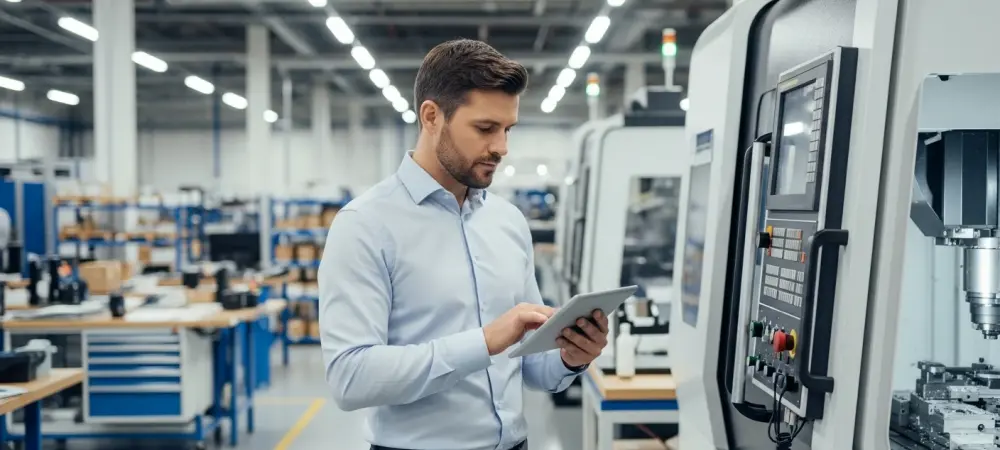
The modern manufacturing landscape has reached a point where the reliance on manual spreadsheets and disconnected legacy tools acts as a significant anchor dragging down potential growth. As small manufacturers navigate the complexities of 2026, the transition from fragmented workflows toward integrated digital ecosystems has become the primary differentiator between market leaders and those struggling to maintain overhead. This evolution is no longer about simply digitizing records but rather about creating a cohesive environment where every department speaks the same language.
A manufacturer’s maturity journey is defined by the ability to move away from reactive decision-making based on outdated paper trails. When information remains trapped in isolated silos, the business inevitably suffers from production delays and inaccurate job costing. By adopting a unified strategy, a small shop can transform into a sophisticated operation that leverages real-time data to drive efficiency. This transformation requires a clear understanding of the digital landscape and a disciplined approach to selecting the right technology.
Choosing the right platform involves a strategic framework that evaluates system types, essential technical capabilities, and the overall fit for the organization. This guide explores the essential selection criteria that empower small manufacturers to build a resilient foundation. From distinguishing between accounting-heavy and production-focused systems to identifying the ideal moment for scaling, the following sections provide a roadmap for navigating the current industrial environment.
The Evolution of Manufacturing ERP: Why Selection Strategy Matters in 2026
The shift from manual oversight to integrated digital management has fundamentally changed how small manufacturers compete for contracts and manage supply chains. In the current marketplace, speed and precision are the only ways to combat rising material costs and volatile demand cycles. A robust selection strategy ensures that a business does not just buy software but invests in a scalable architecture that reflects the physical reality of the shop floor.
Moving away from fragmented workflows is the cornerstone of the modern manufacturing maturity journey. When data flows seamlessly from a customer order through to the shipping dock, the entire organization gains a level of agility that was previously reserved for massive corporations. This evolution is driven by the necessity of seeing the entire production lifecycle at a glance, allowing for adjustments before small errors turn into expensive failures.
This selection framework covers the critical areas that define successful implementation. By examining the nuances of system architecture, the benefits of specialized manufacturing tools, and the methods for self-assessment, a business can avoid the common pitfalls of digital transformation. The objective is to create a digital twin of the production environment that serves as a reliable guide for every strategic move.
Why Following Modern Selection Best Practices Is Essential
Adopting a specialized ERP system acts as a primary safeguard against the operational “firefighting” that often consumes the time of management in small firms. Without a structured system, leaders spend their days reacting to inventory shortages or labor bottlenecks instead of focusing on business development. A modern ERP provides the predictive insight needed to transition from a reactive posture to a proactive strategy where potential issues are neutralized before they disrupt the schedule. One of the most significant advantages of an integrated platform is the establishment of a “single source of truth” across the entire organization. When every employee from the front office to the loading bay accesses the same real-time data, the margin for error drops precipitously. This level of clarity enables accurate cost estimation and a dramatic reduction in waste, as materials are tracked with precision and labor hours are allocated to the correct work orders. The financial implications of a poor selection are often more damaging than the initial price of the software itself. Choosing a system that lacks scalability leads to a “rip and replace” cycle that can devastate a small company’s budget and morale. By following established best practices, manufacturers can select a system that grows alongside them, protecting their initial investment and ensuring that the technology remains an asset rather than a limitation as production volume increases.
Best Practices for Selecting a Small Manufacturing ERP
The process of selecting an ERP must be broken down into actionable phases that align with the demands of the current industrial environment. It is not enough to simply look for a list of features; the system must integrate with the specific culture and cadence of the shop. This requires a disciplined evaluation of how information moves through the facility and where the current manual processes are most likely to break down under pressure.
Prioritize a Manufacturing-First Architecture Over Accounting-Only Tools
Many small businesses make the mistake of adopting “accounting-first” systems that offer basic inventory add-ons but lack deep production logistics. These systems often struggle with complex Bill of Materials (BOM) accuracy, which leads to discrepancies between what is on the ledger and what is actually on the shelf. A manufacturing-first architecture ensures that the system is built around the production cycle, treating the shop floor as the primary engine of the business rather than an afterthought.
A manufacturing-first system integrates the shop floor with the back office in a way that generic tools cannot replicate. It allows for the synchronization of procurement, scheduling, and shipping, ensuring that every department is aligned with the current production status. This integration eliminates the need for manual data reentry and reduces the risk of human error, providing a clear path from a sales quote to a finished product.
The Impact of Shop Floor Visibility on Profitability
The value of real-time visibility becomes clear when examining how a mid-sized assembly plant managed to recover 15% in lost labor costs. By moving away from generic accounting software and adopting an ERP with real-time Work in Progress (WIP) tracking, the plant identified specific stations where production was consistently stalling. This insight allowed management to reallocate resources and streamline the flow of materials, directly increasing the bottom line without adding new staff.
Implement the Manufacturing ERP Maturity Model for Self-Assessment
Before evaluating vendors, a business must determine its current standing within the Manufacturing ERP Maturity Model. Companies at Stage 1 typically rely on manual entries and reactive planning, while Stage 3 organizations utilize integrated systems that connect every facet of the operation. Identifying these stages helps a manufacturer understand the level of software complexity they truly need, preventing them from over-purchasing features they cannot yet support.
Using this model to assess readiness ensures that the software implementation aligns with the organization’s technical capacity. It provides a clear roadmap for what the business needs to achieve before moving to more advanced automation. This self-assessment prevents the common mistake of trying to jump from manual spreadsheets to fully automated Stage 4 environments without first building the necessary data foundations.
Moving from Spreadsheets to Scalable Production
A small components manufacturer demonstrated the power of this maturity model by transitioning from Stage 2 silos toward a more automated Stage 4 environment. By recognizing that their growth was being stifled by disconnected spreadsheets, they implemented a system that unified their production schedules. This strategic move supported a 200% growth in order volume over a short period, as the new system could handle the increased data load that manual processes would have failed to manage.
Evaluate Future-Proofing and Scalability Features
Scalability is a non-negotiable requirement for any system selected in the current market. A small shop today may become a multi-site operation tomorrow, and the ERP must be able to support advanced Material Requirements Planning (MRP) and multi-location management without a total system overhaul. Future-proofing involves choosing a platform that can expand its functionality through modules or seamless updates as the business landscape shifts.
The modular nature of modern ERP platforms allows a small business to start with the essentials, such as basic inventory and sales, while retaining the ability to add advanced features later. This approach keeps implementation costs manageable in the early stages while providing a clear path for expansion. It ensures that the software remains a supportive tool throughout every phase of the company’s growth cycle.
Seamless Expansion with Modular ERP Solutions
Startup manufacturers often find success by utilizing modular systems like Odoo or Microsoft Dynamics 365. These platforms allow a company to begin with simple inventory management and gradually scale into full-scale MRP as their product lines and manufacturing complexity expand. This modularity ensures that the technology stack remains lean and efficient during the early years while being fully prepared for the demands of a larger, more complex enterprise.
Conduct a Strategic Gap Analysis of Current Failure Points
The final step in a successful selection is performing a gap analysis to identify specific operational failures, such as version control issues within the BOM or chronic inventory disconnects. This methodology requires a deep dive into the areas where the business currently loses time or money. By documenting these gaps, a manufacturer can match their specific needs against the strengths of leading solutions like NetSuite or Acumatica.
Matching these operational gaps with the right software features ensures that the implementation solves real problems rather than just providing a new interface for old habits. It forces the organization to confront its inefficiencies and seek out tools that provide direct solutions. Whether the issue is poor demand forecasting or inefficient scheduling, a targeted gap analysis directs the selection process toward the most impactful solution.
Eliminating Stockouts Through Integrated MRP
A custom furniture maker successfully eliminated chronic production delays by implementing an ERP that synchronized purchasing schedules with real-time customer demand. Prior to this, the shop frequently faced stockouts of essential hardware, causing significant bottlenecks. The integrated MRP functionality allowed them to automate their ordering process based on live production data, ensuring that materials arrived exactly when they were needed on the floor.
Final Recommendations: Navigating the 2026 ERP Market
The search for the ideal ERP system resulted in a focus on balancing ease of use with the deep functionality required for manufacturing. It was observed that the most effective solutions were those that mirrored the actual physical workflow of the factory rather than just serving as a digital version of a financial ledger. Small businesses found that prioritizing a system’s ability to handle the intricacies of their specific production process was more valuable than a generic suite of features.
Technical leaders determined that platforms such as Microsoft Dynamics 365 Business Central and specialized tools like MRPeasy provided the most effective balance for small and medium enterprises. These systems offered a clear growth path, allowing companies to start with core functions and expand as their complexity increased. The decision-making process shifted toward looking at a five-year growth forecast to ensure the chosen platform would remain viable as the organization evolved.
The successful implementation of these strategies allowed manufacturers to move beyond manual limitations and embrace a more controlled, data-driven future. By focusing on manufacturing-first architectures and conducting rigorous gap analyses, firms secured their operational foundations. These steps ultimately proved that the right ERP choice was not merely a software purchase but a fundamental commitment to operational excellence and long-term profitability in a competitive global market.