

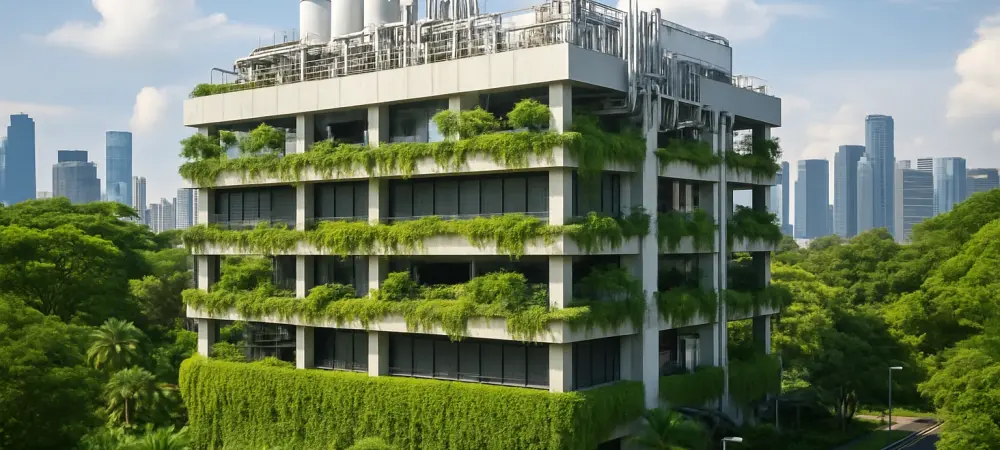
I’m thrilled to sit down with Dominic Jainy, a seasoned IT professional whose deep knowledge of artificial intelligence, machine learning, and blockchain extends to a keen understanding of how emerging technologies intersect with sustainability in industries like data centers. Today, we’re diving into the Singapore government’s groundbreaking SS 715:2025 standard for data center energy efficiency, exploring its implications for operators, its innovative approach to tropical climates, and its role in supporting a thriving digital economy. Join us as we unpack the motivations behind this initiative, the specific strategies it promotes for energy savings, and how it positions Singapore as a leader in sustainable tech infrastructure.
Can you walk us through what the SS 715:2025 standard is and why Singapore felt the need to introduce it?
Absolutely. The SS 715:2025 standard, titled Energy Efficiency of Data Centre IT Equipment, is a new guideline rolled out by the Singapore government to tackle the massive energy consumption of data centers. It’s specifically designed to cut down energy use by at least 30 percent for IT equipment in these facilities. The motivation behind it is twofold: first, data centers are power-hungry, and with Singapore’s push to be a digital hub, managing that energy demand sustainably is critical. Second, it’s about setting a global benchmark, especially for tropical regions where cooling needs amplify energy costs. This standard isn’t just a regulation; it’s a roadmap for balancing growth with environmental responsibility.
What are some of the core features of this standard that really drive energy efficiency in data centers?
The standard zeroes in on a few key areas. It pushes for the adoption of IT equipment that meets strict international energy efficiency benchmarks, which means operators are nudged to pick hardware that inherently consumes less power. It also promotes best practices like workload consolidation and virtualization—essentially, making sure servers aren’t sitting idle but are used to their full capacity, so you’re getting more computing power for less energy. Another big focus is durability at higher temperatures, up to 35°C (95°F), which reduces the reliance on energy-intensive cooling systems. Together, these features create a holistic approach to slashing energy waste.
How does the standard tie into the Tropical Data Centre standard, SS697:2023, and what additional benefits does that bring?
The Tropical Data Centre standard, SS697:2023, is a complementary guideline that encourages data centers in Singapore to operate at higher ambient temperatures. When paired with SS 715:2025, it amplifies energy savings, particularly in cooling systems. For every 1°C (about 1.8°F) increase in operating temperature, you can see a 2-5 percent reduction in cooling energy use. In a tropical climate like Singapore’s, where cooling is a huge chunk of a data center’s energy bill, this is a game-changer. It’s about designing systems that don’t just survive but thrive in warmer conditions, cutting costs and carbon footprints simultaneously.
Singapore is positioning itself as a pioneer with these standards for tropical climates. What makes this so noteworthy?
It’s significant because tropical climates pose unique challenges for data centers—constant heat and humidity mean cooling systems are always running, often at full blast. Singapore stepping up with standards like SS 715:2025 and SS697:2023 shows a tailored approach to a regional problem, rather than adopting one-size-fits-all solutions from cooler climates. They’re not just addressing local needs; they’re creating a model that could inspire other tropical nations to follow suit. It’s a bold statement that sustainability in tech doesn’t have to be a cookie-cutter process—it can and should adapt to geography.
Data centers are often described as the backbone of Singapore’s digital economy. Can you expand on why they’re so vital?
Data centers are essentially the engine room of the digital world. In Singapore, they support everything from fintech innovations to e-commerce platforms and cloud services that power businesses and startups. They enable real-time data processing, AI development, and secure transactions—key drivers of economic growth in a digital-first society. Without efficient, reliable data centers, the speed and scale of innovation would grind to a halt. That’s why standards like SS 715:2025 are crucial; they ensure this backbone remains sustainable, keeping costs down and supporting long-term growth without sacrificing environmental goals.
Can you shed some light on the Green Data Centre Roadmap and how this new standard builds on its foundation?
The Green Data Centre Roadmap is Singapore’s broader strategy to make its data center industry more sustainable, launched a few years back. It’s already achieved milestones like piloting energy-efficient cooling technologies and fostering partnerships between industry and government to test green solutions. SS 715:2025 builds on this by drilling down into the IT equipment side of things—something the Roadmap set the stage for by proving that efficiency gains are possible at a facility level. This standard takes those early wins and applies them to the hardware itself, ensuring every layer of a data center, from infrastructure to servers, is optimized for lower energy use.
Looking ahead, what’s your forecast for the future of data center energy efficiency standards, especially in regions with challenging climates like Singapore?
I’m optimistic that we’ll see a wave of innovation in this space. Singapore’s leadership with these standards will likely push other tropical regions to develop or adapt similar frameworks, especially as data demand skyrockets globally. I expect advancements in AI-driven energy management, where systems dynamically adjust power usage based on workload, and more hardware designed specifically for high-temperature environments. The focus will shift toward integrating renewable energy sources directly into data center operations as well. If Singapore continues to innovate, it could set a global precedent for how to balance digital growth with sustainability in even the toughest climates.