

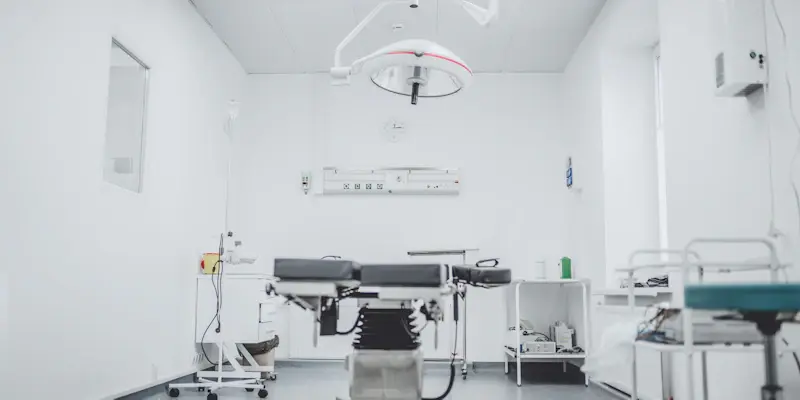
At The Calderdale and Huddersfield NHS Foundation Trust (CHFT), the implementation of robotic process automation (RPA) technology has revolutionized hospital workflow and significantly improved patient care outcomes. This innovative move has been executed at the Huddersfield Royal Infirmary and Calderdale Royal Hospital, introducing advanced bots to perform routine, repetitive tasks traditionally done by humans. The overarching aim of the RPA program is to “take the robot out of the human,” thus alleviating the mundane workload from hospital staff and letting them focus on more value-based tasks.
Increasing Efficiency with 24/7 Bot Operations
Bots Validate Patient Waiting Lists and Manage Appointments
One of the most transformative impacts of RPA at CHFT hospitals is its ability to enhance efficiency by taking over administrative tasks that require meticulous precision and incessant repetition. By involving bots that operate round the clock without errors, the hospitals have successfully optimized processes such as validating patient waiting lists and managing appointment logistics. For instance, in a task that previously demanded considerable human effort and was prone to errors, bots execute flawlessly and handle the equivalent work of 4.5 human workers. This leads to substantial time savings and increased productivity across various departments, contributing to smoother hospital operations and better patient experiences.
Moreover, the reliability and consistency of the bots have drastically reduced the time required for these administrative tasks. Hospital staff have reported significantly decreased stress levels, as the bots eliminate common errors that typically arise from manual handling. This transformation has freed up healthcare professionals to concentrate on more complex, patient-centric tasks that require human judgment and expertise. Consequently, the holistic patient care experience at CHFT hospitals has improved, showcasing how RPA’s technical accuracy plays a pivotal role in elevating healthcare services.
Support Roles See Significant Time Savings
The colorectal cancer nursing team at CHFT has also experienced significant benefits from the RPA initiative, particularly in support roles that involve extensive administrative duties. In this case, bots have been deployed to prepare surveillance clinics by managing tedious 12-month blood test check-ups. This task, which previously demanded a team of skilled nurses, entailed reviewing patient records, requesting tests, and processing and mailing forms to patients. With RPA, these processes are now handled efficiently by bots, saving up to 15 hours a week. This has given nurses more time to focus on patient care rather than getting bogged down by monotonous paperwork.
Similarly, the urology team has seen enhancements owing to RPA, especially in monitoring patients on the prostate cancer pathway. Automation ensures these patients are tracked systematically, with minimal human intervention, which translates into timely interventions and consistent patient follow-ups. These roles being adequately supported by RPA have led to streamlined operations, allowing medical staff to dedicate more effort to critical aspects of patient treatment and management, tangibly improving patient outcomes.
Financial and Non-Financial Benefits of RPA
Financial Projections and Savings
The RPA program at CHFT has not only delivered operational efficiencies but has also shown substantial financial benefits. The Trust estimates an implementation cost of £720,000 over five years, along with projected savings of £2 million. These figures reflect considerable direct savings accrued from decreased labor costs and increased productivity. However, the financial metric is only one facet of the RPA initiative’s benefits. Significant non-financial advantages have been observed, providing a holistic improvement in the workplace.
Enhanced Staff Welfare and Job Satisfaction
Beyond sheer financial metrics, RPA has had a profound impact on staff welfare and job satisfaction at CHFT hospitals. By offloading repetitive, mundane tasks to bots, staff members can now engage in more stimulating and rewarding activities. This shift has fostered a more satisfied workforce, translating into improved staff retention rates and overall morale. The quality of work has also seen significant development, as employees can now focus on tasks that require critical thinking and problem-solving skills, leading to professional growth and a better working environment.
Additionally, the Trust has emphasized the importance of integrating and effectively communicating the potential of RPA technology within its operations. To this end, CHFT has commissioned a comprehensive white paper documenting their RPA journey. This white paper captures additional savings and benefits while providing valuable insights and practical guidance for other healthcare institutions considering similar technological advancements.
CHFT’s Comprehensive Approach to RPA Deployment
Effective Integration and Communication of RPA Technology
An integral aspect of the successful deployment of RPA at CHFT hospitals has been the focused effort on effective integration and communication of the technology. The Trust ensured that all stakeholders were adequately informed about the capabilities and advantages of RPA, fostering a culture of acceptance and collaboration. Detailed training programs and ongoing support were provided to staff to make the transition seamless. This strategic approach underscored the significance of comprehensive onboarding processes and continuous engagement, which are critical for any technological adoption to be triumphant in a healthcare setting.
Furthermore, the proactive development of a white paper by the Trust serves as a cornerstone for knowledge sharing. This document extensively details CHFT’s RPA journey, capturing both quantitative savings and qualitative benefits, and offers a roadmap for other institutions aiming to implement similar technologies. By presenting clear methodologies, case studies, and best practices, the white paper acts as a guide to navigating potential challenges and harnessing the full potential of RPA in optimizing hospital workflows.
Strategic Focus on Hard and Soft Benefits
At The Calderdale and Huddersfield NHS Foundation Trust (CHFT), the introduction of robotic process automation (RPA) technology has transformed hospital workflow and markedly enhanced patient care outcomes. This pioneering advancement has been instituted at both Huddersfield Royal Infirmary and Calderdale Royal Hospital. By deploying cutting-edge bots to handle routine, repetitive tasks that were traditionally carried out by humans, the hospitals aim to streamline operations and boost efficiency. The primary goal of the RPA initiative is to “take the robot out of the human,” which means relieving staff of tedious and monotonous duties. As a result, medical professionals are now free to concentrate on more meaningful, value-based tasks that directly benefit patient care. This shift not only enhances job satisfaction for the staff but also improves the overall efficiency of hospital operations. Through this strategic use of automation, CHFT is setting a new standard in healthcare, paving the way for more advanced, patient-centered care practices across the industry.