

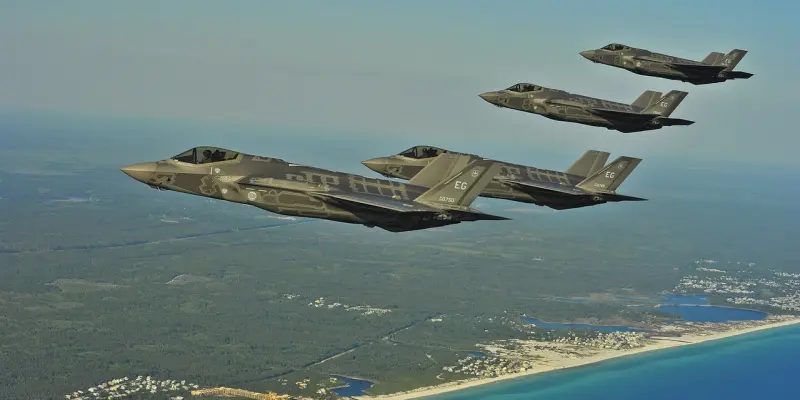
The military landscape has been reshaped through the integration of private artificial intelligence (AI), driving modern defense strategies toward unprecedented levels of sophistication and efficiency. By incorporating advanced AI-driven solutions, militaries around the world are enhancing situational awareness, streamlining decision-making processes, and optimizing resource utilization. These developments are pivotal in enabling defense forces to adapt and thrive in diverse and complex operational environments. From real-time data processing to autonomous systems, the implementation of private AI has revolutionized how military operations are conducted, ultimately transforming global defense strategies.
Enhanced Situational Awareness
A critical aspect of modern military strategy is achieving superior situational awareness, a necessity that private AI addresses by processing vast amounts of data from various sources like drones, satellites, and ground sensors in real time. This technological advancement allows for rapid threat detection and response, even in scenarios where traditional communication networks are compromised, ensuring military units are better informed and strategically positioned. An illustrative example of this capability is seen in the BRAVO Hackathon, where a private AI model successfully identified enemy objects in challenging terrains without the reliance on cloud services.
Through AI’s ability to integrate and analyze disparate data streams, military commanders are empowered with comprehensive and up-to-date battlefield intelligence. This enhanced awareness not only aids in identifying potential threats but also provides a clearer picture of the operational environment, ultimately aiding in mission planning and execution. By leveraging AI, armies can detect and anticipate enemy movements with unprecedented accuracy, facilitating preemptive actions that can significantly alter the outcomes of conflicts. Consequently, private AI’s role in bolstering situational awareness is indispensable for maintaining strategic superiority.
Cost-Effective Software-Defined Solutions
The escalating costs of maintaining and upgrading military hardware have pushed defense organizations to explore cost-effective alternatives, and software-defined AI provides a viable solution. Unlike traditional systems that require expensive hardware upgrades, software-defined AI uses off-the-shelf components to achieve high efficiency at significantly reduced costs. This approach aligns with the U.S. Department of Defense’s modernization goals, ensuring scalable and adaptable defense infrastructures that can be easily updated through software enhancements.
The implementation of software-defined AI ensures that military operations remain agile and responsive to emerging threats without the financial strain of extensive hardware investments. The ability to deploy scalable AI solutions allows for rapid adaptation to evolving technologies and battlefield requirements, fostering a more dynamic and flexible defense posture. Additionally, the cost savings realized through this approach can be reallocated to other critical areas of defense, further enhancing a military’s overall capability and readiness. As such, the transition to software-defined AI represents a strategic move toward more efficient and sustainable defense operations.
Predictive Analytics for Strategic Planning
Predictive analytics, powered by AI, has emerged as a transformative trend in military planning, offering sophisticated tools for threat forecasting and mission strategy optimization. By analyzing extensive operational data, AI algorithms can identify patterns that indicate potential adversary actions, enabling military forces to prepare and respond more effectively. This capability not only enhances strategic planning but also mitigates operational risks by allowing for better resource allocation and contingency planning. India’s adoption of predictive AI solutions to improve fleet availability and reduce equipment downtime highlights the practical benefits of this technology.
Through predictive analytics, military commanders gain a deeper understanding of potential future scenarios, facilitating more informed decision-making processes. The ability to forecast potential threats and devise corresponding strategies enhances a military’s readiness and operational efficiency. Moreover, predictive analytics contribute to a proactive defense strategy, anticipating and neutralizing threats before they materialize on the battlefield. This forward-looking approach ensures that military forces can operate with greater confidence and effectiveness, underscoring the critical role of AI in modern defense.
Autonomous Systems Revolutionizing Operations
AI-powered autonomous systems, such as drones and robotic technologies, are revolutionizing defense operations by minimizing human risks and enhancing mission effectiveness. These systems are capable of conducting surveillance, reconnaissance, and combat missions with unparalleled precision, reducing the likelihood of civilian casualties and improving overall battlefield strategies. The growing reliance on autonomous technologies within armed forces highlights their significance in contemporary military operations.
The deployment of AI-driven autonomous systems enables military units to carry out complex tasks without direct human intervention, thereby increasing mission success rates. These systems can operate in hazardous environments, gathering vital intelligence and performing critical functions that would be too dangerous for human soldiers. The precision and efficiency of AI-powered drones and robots enhance strategic planning and mission execution, providing a significant advantage in modern warfare. As autonomous technologies continue to evolve, their integration into military operations is expected to expand, further transforming the defense landscape.
Ethical and Security Considerations
The military landscape is undergoing a major transformation with the integration of private artificial intelligence (AI), elevating modern defense strategies to new heights of sophistication and efficiency. By seamlessly incorporating cutting-edge AI-driven solutions, armed forces worldwide are improving their situational awareness, refining decision-making processes, and maximizing the use of resources. These advancements are critical for defense forces as they navigate and excel in diverse and complex operational environments. From real-time data processing to autonomous systems, the strategic implementation of private AI is revolutionizing military operations and reshaping global defense strategies. This integration not only enhances the ability to respond to threats with precision but also facilitates proactive measures, making global defense efforts more robust and adaptable. Indeed, the use of AI in the military realm is not just a technological evolution but a fundamental shift in how defense operations are planned and executed, preparing armed forces for the challenges of the future.