

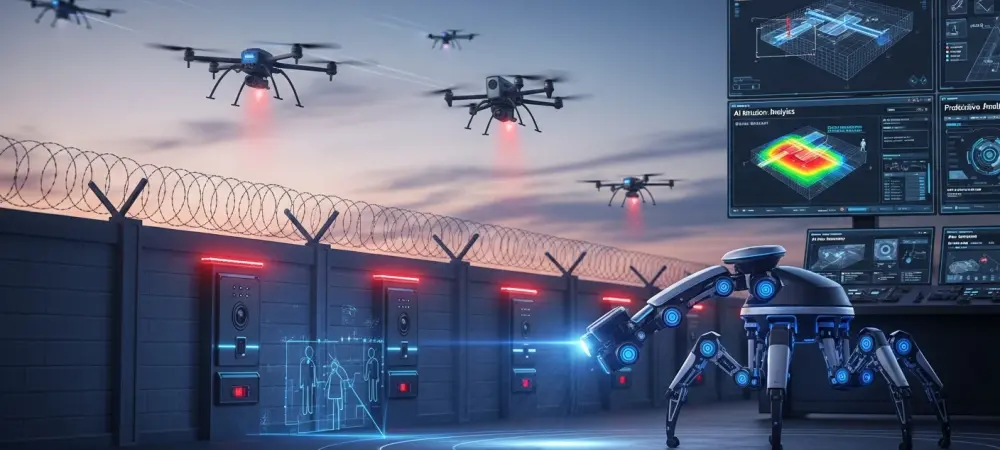
Modern security leaders are no longer satisfied with passive cameras that merely record history; they demand intelligent systems that can see, think, and act in real time. The integration of advanced robotics and agentic intelligence has shifted the paradigm of perimeter protection from reactive observation to proactive intervention. This evolution addresses long-standing vulnerabilities in large-scale exterior environments where human patrols often struggle with consistency or coverage gaps. By bridging the gap between digital intelligence and the physical world, organizations are now achieving a level of situational awareness that was previously impossible to maintain.
This article explores the mechanics behind Physical AI, specifically focusing on the collaborative breakthroughs between robotics specialists and intelligence platforms. Readers will discover how autonomous systems handle complex workflows, the specific advantages of mobile sensing over stationary hardware, and what this technological leap means for the future of enterprise safety.
Key Questions or Key Topics Section
What Is Physical AI and How Does It Function?
Physical AI represents the tangible manifestation of machine learning within robotic hardware designed for real-world interaction. Unlike standard artificial intelligence that operates solely within software environments, this technology allows autonomous units to navigate physical spaces while interpreting complex sensory data. By combining mobile robotic platforms with agentic analytics, the system transforms raw video feeds into actionable intelligence. This means the hardware is not just moving along a path; it is actively scanning for anomalies and understanding the context of its surroundings to make immediate operational decisions.
In a practical sense, these systems utilize high-definition sensors to stream live data to a centralized intelligence hub where an AI agent monitors for deviations from the norm. When a potential threat or breach is detected, the AI does not just send a generic alert but instead triggers a specific workflow based on established protocols. This integration ensures that every second of footage is scrutinized with a level of detail that would be exhausting for a human operator, effectively eliminating the risk of oversight due to fatigue or distraction.
Why Is Mobile Robotics Superior to Traditional Surveillance?
Traditional security infrastructures often rely on stationary cameras that leave significant blind spots and require constant human monitoring to be effective. These fixed points of failure are easily exploited by intruders who can map out gaps in coverage or timing. In contrast, autonomous robotic patrols provide a persistent and unpredictable presence that makes it much harder for unauthorized individuals to plan a breach. These units operate twenty-four hours a day, providing a consistent layer of protection that does not suffer from labor volatility or the physical limitations of human guards.
Moreover, mobile units act as force multipliers for existing security teams by providing a ground-level perspective that overhead cameras cannot capture. Because these robots are equipped with sophisticated communication tools, they can deliver step-by-step guidance to human responders during an incident. This synergy between mobile hardware and intelligent software ensures that security personnel are directed to exactly where they are needed most, armed with real-time data and a clear understanding of the situation before they even arrive on the scene.
How Does This Technology Improve Operational Accountability?
One of the most significant challenges in enterprise security is the lack of verifiable data regarding patrol execution and incident response. Physical AI solves this by creating a comprehensive, time-stamped digital trail for every action taken by the autonomous system. From the moment an anomaly is detected to the final resolution of the event, every step is logged and archived in an audit-ready format. This level of documentation is invaluable for security leaders who must justify expenditures or provide evidence during legal and insurance proceedings.
Furthermore, the automation of reporting tasks removes the burden of manual paperwork from security staff, allowing them to focus on high-level decision-making. By aligning AI workflows with Standard Operating Procedures, the system ensures that every incident is handled with professional precision and consistency. This structured approach not only enhances the overall safety of the facility but also builds a culture of transparency where performance metrics are backed by indisputable data.
Summary or Recap
The transition toward Physical AI has redefined the benchmarks for success in the security industry by prioritizing proactive response over passive recording. Through the seamless integration of autonomous robotics and agentic intelligence, enterprises have gained the ability to monitor high-activity exterior zones with unprecedented accuracy. The collaboration between specialized technology providers has streamlined the path from detection to documentation, ensuring that security leaders receive guided insights rather than overwhelming raw data. This shift has not only mitigated risks associated with labor shortages but has also established a new standard for operational transparency through automated, audit-ready reporting.
Conclusion or Final Thoughts
The emergence of Physical AI served as a catalyst for a broader transformation in how high-stakes environments were protected. Security professionals moved away from fragmented systems and toward unified platforms that combined the mobility of robotics with the analytical depth of modern AI. This progress allowed for a more strategic allocation of human resources, focusing personnel on complex problem-solving while machines handled the rigors of constant surveillance. Looking forward, organizations should assess their current infrastructure to identify where autonomous integration can bridge existing gaps. Adopting these technologies will likely involve scaling from exterior perimeters to more complex internal logistics, creating a comprehensive safety net that is both scalable and verifiable.