

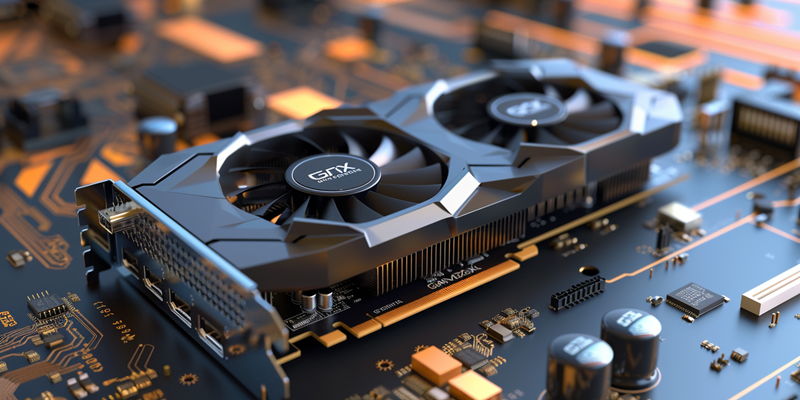
NVIDIA’s GeForce RTX graphics cards have become a significant force in the South Korean do-it-yourself (DIY) gaming market. Two particular models, the RTX 4060 and the RTX 4070 SUPER, have captured the attention of avid gamers, demonstrating the appealing combination of top-tier performance and reasonable price points that cater perfectly to the demands of gaming enthusiasts.
Market Dominance in South Korea
The Reign of the RTX 4060
Among the various models, the GeForce RTX 4060 stands out with a commanding market share. With Danawa Research reporting a staggering 27.7% market dominance as of April 2024, its popularity is a testament to the balance it strikes between affordability and performance. The RTX 4060 Ti, its slightly more powerful sibling, isn’t far behind, holding a respectable 21.63% of sales. These figures illustrate the gamer’s preference for newer technology that doesn’t necessarily break the bank but still offers a significant upgrade from previous generations.
Signaling clear consumer confidence, the RTX 4060 series GPUs resonate with a broad segment of the South Korean market. They are a go-to choice for many—whether it’s for gaming, streaming, or content creation, the RTX 4060 GPUs provide the necessary horsepower reliably. This strong market position underscores a shift in consumer behavior, favoring the latest innovations that promise a solid gaming experience without compromising on cost-effectiveness.
The Rise of the RTX 4070 SUPER
The RTX 4070 SUPER, in particular, has seen a remarkable rise, claiming a 14.86% sales share within four months of its release. This surge showcases the appeal of high-end gaming performance at a retail range that drifts between $550 and $600 US dollars. Such rapid growth hints at the value gamers place on premium visual fidelity and performance, two areas where the RTX 4070 SUPER excels. The “SUPER” variant distinguishes itself by offering a substantial performance leap over its non-SUPER counterpart, aligning closely with the desires of gamers to push their systems to new heights.
This growth is not just a fad but a reflection of the nuanced needs of the gaming community. The RTX 4070 SUPER bridges the gap for those pursuing performance akin to top-of-the-line models but at a more palatable price bracket. It is a response to a gap in the market—a need for premium gaming experiences that are accessible without extreme premiums.
Global Impact and Steam Hardware Survey Insights
NVIDIA’s Global Market Position
On a worldwide scale, NVIDIA’s dominance is further confirmed by the Steam Hardware Survey, where the company boasts a 76.59% share in PC gaming platforms. Its main competitors, AMD and Intel, trail with 15.79% and 7.49%, respectively. Despite the popularity of older GPUs like the 10 series cards and the RTX 2060, NVIDIA’s newest RTX 4060 and RTX 4070 lines are fast becoming the preferred choice for gamers globally, signaling a universal shift towards more recent technology.
The sheer market presence NVIDIA has achieved, reflected in the survey, speaks volumes about its strategic product releases that resonate well with the gaming community. Older models do maintain a presence, but the rapid ascension of the newer RTX series indicates a transition phase where gamers are increasingly opting for the newer technology that promises enhanced gaming experiences powered by cutting-edge features like ray tracing and DLSS.
The Popularity of the “Ada” Lineup
NVIDIA’s GeForce RTX graphic cards, notably the RTX 4060 and the RTX 4070 SUPER, have made a substantial impact on South Korea’s DIY gaming scene. These cards have struck a chord with the gaming community, offering an impressive blend of high performance and affordability. The RTX 4060 and 4070 SUPER stand out due to their ability to deliver exceptional gaming experiences without breaking the bank, aligning well with what gamers are seeking – powerful hardware that provides value for money.
Their popularity is indicative of a trend where the cost-to-performance ratio is increasingly becoming a pivotal factor for gamers when selecting hardware. NVIDIA has capitalized on this, ensuring that these RTX models not only meet the graphical demands of the latest games but also fit the financial constraints of a diverse range of consumers. Consequently, the RTX 4060 and 4070 SUPER stand as prime exemplars of gaming GPUs that don’t compromise on performance yet remain accessible to the more budget-conscious segment of the gaming community.