

Dominic Jainy is a distinguished IT professional with deep roots in the evolution of artificial intelligence, machine learning, and blockchain technology. With a career dedicated to understanding how silicon-based intelligence can bridge the gap into our physical reality, Dominic has become a go-to expert for analyzing the strategic movements of industry giants. This conversation focuses on the significance of Jensen Huang’s recent high-profile visit to Japan, a nation that essentially birthed the concept of humanoid robotics. We explore the transition from digital “agentic” AI to the “Physical AI” era, examining how NVIDIA’s software stack, the Isaac platform, and key local partnerships are laying the foundation for a future where robots are no longer confined to screens or factory cages but are integrated into the fabric of daily life.
Japan has a storied history with robotics, having pioneered early humanoid technology with robots like ASIMO and the AIBO robotic dog. How does that cultural and technological legacy provide the ideal backdrop for the current push into the Physical AI era?
Japan truly laid the groundwork for everything we are seeing today by introducing the world to the P-series and those iconic ASIMO and AIBO robots back in the late 90s and early 2000s. These early machines were much more than just novelties; they were the first time the global public saw the genuine potential for a robot to move and interact within a human-centric environment. Today, we are seeing a return to that birthplace because the hardware and processing power have finally caught up with the visionary imagination of those early Japanese engineers. By blending that rich robotic heritage with modern neural networks, the industry is shifting toward a reality where “Physical AI” becomes the tangible successor to the digital agents we have grown accustomed to using on our phones. It is a full-circle moment where the spirit of ASIMO is being reborn with a far more sophisticated brain.
Can you explain the significance of the NVIDIA Isaac platform, specifically the Isaac GROOT project, in transforming AI from digital code into something that can operate a physical humanoid body?
The Isaac platform essentially serves as both the nervous system and the high-fidelity training ground for the next generation of autonomous machines. It provides a comprehensive stack that includes CUDA-accelerated libraries and complex simulation frameworks, which allow for “robot learning” in a virtual space before a single motor ever turns in the real world. Within this ecosystem, Isaac GROOT stands out as a specialized foundation specifically tailored for humanoid applications, enabling developers to model human-like movements with a level of precision that was previously impossible. This is a massive leap forward because it allows robots to experience millions of interactions in a simulated environment, mastering the laws of physics and balance without the risk of damaging expensive hardware. When that AI is finally flashed onto a physical unit, it enters the world with a “pre-installed” understanding of how to navigate our complex surroundings.
During his visit, Jensen Huang was seen engaging with diverse partners ranging from gaming legends like SEGA to emerging chip ventures like Rapidus. How do these varied collaborations strengthen the overall ecosystem for robotics?
These visits to places like Akihabara to meet with SEGA or discussing future opportunities with Rapidus show that building a Physical AI era requires a massive, multifaceted support system. These partnerships are not just about branding or simple business deals; they are about securing a robust supply chain and finding new ways to integrate AI into every corner of the industry, from entertainment to high-end manufacturing. Jensen’s approach of “hanging out with friends” in the supply chain highlights that no single company can build this future alone. By collaborating with local Japanese powerhouses, they ensure that the software remains the global standard for both the hardware being built and the specialized chips that will power them. It is a strategic move to weave their technology into the very infrastructure of the world’s most advanced robotics hub.
The NEO robot by 1x has garnered a lot of attention for its “alien-like” hands and advanced dexterity. What does this specific advancement tell us about the future of how humans and robots will interact in shared spaces?
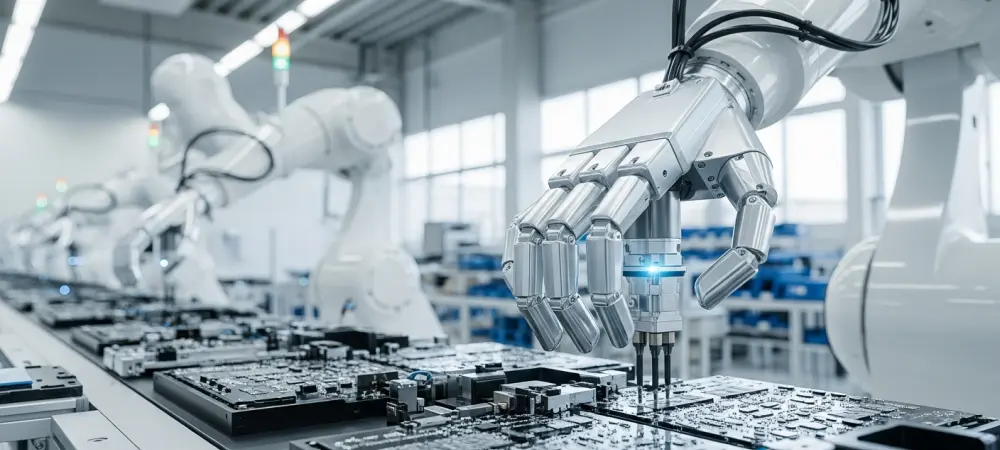
When you look at a robot like NEO, which is built on NVIDIA’s robotics platform, the immediate standout feature is the incredible dexterity of its hands, which feel almost hauntingly natural in their movement. This represents a fundamental shift in robotics, moving away from the clunky, heavy-duty industrial grippers of the past toward hands that can handle delicate tasks with the same finesse as a human being. This level of fine motor control is the “holy grail” for Physical AI because it allows robots to operate in environments designed specifically for people—like kitchens, hospitals, or small offices. It shows that we are no longer just building machines that can walk; we are building machines that can perceive, touch, and manipulate the world with high-fidelity tactile feedback. This evolution is what will finally allow robots to transition from being curiosities to being genuinely helpful assistants in our daily lives.
Beyond the heavy technical discussions, Jensen Huang is often seen in his iconic leather jacket, eating Yakiton in Kanda or visiting the “Build-a-Claw” event. How does this personal, community-focused approach affect the way the public perceives the massive technological shift toward AI?
There is something undeniably effective about a tech titan who chooses to spend his time munching on local delicacies at a pub in Kanda or holding a surprise Q&A at a community event rather than staying behind a corporate podium. This personal touch helps to humanize a technology that many people find intimidating or “alien,” making the rise of Physical AI feel like an exciting cultural milestone rather than a cold, corporate takeover. When the public sees the person behind the technology waving at crowds and engaging with local traditions, it builds a level of trust that is essential for the widespread adoption of humanoid robots. It bridges the gap between high-level silicon architecture, like the upcoming Vera Rubin chips, and the real-world people who will eventually be living and working alongside these machines. This grounded approach turns a complex technological rollout into a shared human experience.
What is your forecast for Physical AI?
I believe we are on the precipice of a surge where Physical AI moves from experimental laboratories into our everyday lives at a scale that will eventually rival the adoption of the smartphone. Over the next few years, as the Isaac GROOT platform matures and hardware like the NEO robot becomes more accessible, we will see these machines taking on critical roles in logistics, elderly care, and even domestic chores. The progress of the Vera Rubin architecture suggests that the sheer “brainpower” available to these units will continue to grow exponentially, allowing for real-time problem solving in unpredictable environments. We are moving toward a future where the distinction between a digital assistant and a physical one begins to vanish, creating a world where intelligent machines are as common on our sidewalks as they currently are in our imaginations.