

Introduction
The digital landscape is evolving at an unprecedented pace, and at the heart of this transformation lies the critical role of data centers, which power the storage and processing needs of modern businesses. Among the key players in this sector is Maincubes, a German data center operator based in Frankfurt, which has been making significant strides in expanding its infrastructure with a strong emphasis on sustainability. This timeline explores the journey of Maincubes, tracing its growth from inception to its latest ambitious project in Nauen, near Berlin. By focusing on energy efficiency and community-integrated solutions, the company is addressing the pressing demand for environmentally responsible digital infrastructure, positioning itself as a leader in a competitive and rapidly growing industry.
A Chronological Journey of Maincubes’ Expansion
2012 – Founding of Maincubes in Frankfurt
In 2012, Maincubes was established in Frankfurt, Germany, marking its entry into the digital infrastructure sector. At a time when Europe’s need for reliable data solutions was on the rise, the company set out with a vision to deliver high-quality, secure data center services. Starting as a regional provider, Maincubes focused on building robust, client-centric facilities, laying a solid foundation for future growth. This initial step was crucial in establishing a reputation for reliability that would underpin its later expansions.
2016-2020 – Establishing Key Facilities in Amsterdam and Frankfurt
Between 2016 and 2020, Maincubes broadened its presence by launching operational data centers in Amsterdam and Frankfurt. These facilities were designed to meet the growing demand for colocation and connectivity services in major European markets. By ensuring high performance and dependability, the company strengthened its standing as a trusted provider during this period. The successful operation of these centers not only expanded its customer base but also built industry credibility, setting the stage for more extensive projects in the years to come.
2023 – Planning for Growth in Frankfurt and Berlin
By 2023, Maincubes was actively planning further expansion to keep pace with escalating market needs. This included the development of FRA03 in Frankfurt, alongside preparations for a fourth center in the same city, as well as early discussions for new sites in Berlin. These initiatives highlighted a strategic intent to scale operations within Germany, focusing on locations with strong connectivity and demand. This planning phase demonstrated the company’s foresight in anticipating industry trends and preparing for larger, more innovative undertakings.
2024 – Acquisition and Development of the Nauen Campus (BER02)
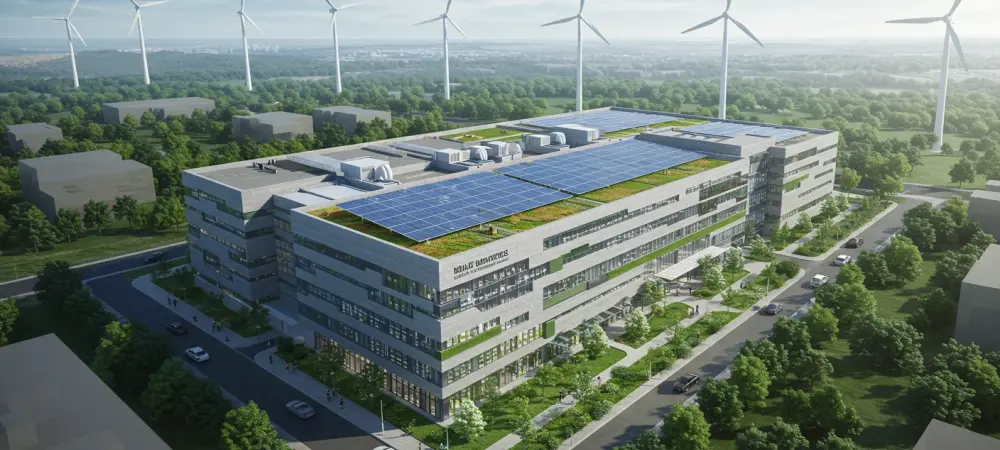
In October 2024, Maincubes reached a significant milestone by acquiring land for the BER02 campus in Nauen, a town west of Berlin, after a year of negotiations with developers and regulators. Two critical agreements were signed: a land use and zoning plan, and a 200MW grid connection deal with regional utility E.dis, set to begin in 2027, with potential to expand beyond 400MW. A 110kV substation will also support the campus operations. Notably, the project emphasizes sustainability through energy-efficient designs and a plan to repurpose waste heat for local heating networks in partnership with municipal authorities. This development not only enhances Maincubes’ capacity but also establishes it as a pioneer in eco-friendly data center solutions.
Key Milestones and Their Broader Impact
Defining Moments in Maincubes’ Growth
Reflecting on the timeline, certain turning points stand out as pivotal to Maincubes’ trajectory. The founding in 2012 marked its entry into the market, while the 2024 Nauen campus project represents a bold leap toward sustainability and scalability. The BER02 campus, with its substantial grid connection potential and green initiatives, is set to redefine the company’s role in the industry, showcasing how data centers can balance expansion with environmental responsibility. Each milestone, from early facilities in Amsterdam and Frankfurt to planned expansions, reflects a consistent focus on meeting market demands while adapting to evolving challenges.
Patterns of Innovation and Efficiency
A clear pattern emerges in Maincubes’ approach: a commitment to innovation and efficiency across all developments. Strategic site selections in connectivity hubs like Frankfurt and Berlin, combined with sustainable practices such as waste heat reuse, align with industry trends toward greener operations and community integration. This forward-thinking strategy not only meets current needs but also positions the company to influence future standards in the data center sector. The emphasis on collaboration with local stakeholders further underscores a model that prioritizes long-term impact over short-term gains.
Future Questions and Considerations
Looking ahead, several aspects warrant further exploration, such as how Maincubes will replicate its sustainability efforts across other facilities. The Nauen campus sets a high standard, but achieving similar success in different regions with varying regulatory or infrastructural conditions remains a challenge. Additionally, maintaining efficiency in future projects while scaling operations will be critical to sustaining its competitive edge. These unanswered questions highlight the complexity of balancing growth with environmental goals in an ever-changing landscape.
Deepening the Perspective on Maincubes’ Sustainable Strategy
Strategic Positioning in the European Market
Beyond the chronological developments, Maincubes’ expansion strategy reveals a deliberate focus on regional hubs like Berlin and Frankfurt, areas with high demand for digital infrastructure. The scale of the Nauen project, with a potential capacity exceeding 400MW, positions the company to attract large-scale clients seeking robust solutions. This strategic placement, coupled with a strong environmental focus, provides a competitive advantage in a market increasingly driven by sustainability concerns, setting Maincubes apart from peers with less emphasis on green practices.
Leadership Insights and Vision
Insights from Maincubes’ leadership further illuminate the company’s direction. CEO Oliver Menzel has described the Nauen campus as a cornerstone of future-proof infrastructure, while Chief Development Officer Thomas Wacker has highlighted the efficiency of the project’s execution, particularly in finalizing zoning and energy agreements. These perspectives reflect a unified vision within the organization, where sustainability is seen as a core driver of growth rather than a secondary consideration. Such alignment suggests a deep-rooted commitment to transforming industry norms.
Challenges of Scaling Sustainability
An often-underaddressed challenge lies in scaling sustainable practices while remaining cost-competitive. While the Nauen project benefits from strong local partnerships, similar initiatives may encounter obstacles in regions with less supportive infrastructure or regulatory environments. Addressing the misconception that sustainability seamlessly aligns with profitability will be essential as Maincubes expands. Balancing environmental and economic objectives will likely shape its future strategies and influence how the broader industry approaches green data center development.
Conclusion
Looking back, Maincubes’ journey from its founding in 2012 to the groundbreaking Nauen campus project in 2024 demonstrates a remarkable evolution driven by strategic growth and a commitment to sustainability. The milestones achieved, particularly the BER02 campus with its energy-efficient design and community-focused initiatives, highlight a path forward for the data center industry. Moving ahead, stakeholders could benefit from closely monitoring how Maincubes tackles the challenge of scaling its green practices across diverse regions. Exploring partnerships with technology providers to enhance energy solutions or engaging in policy discussions to streamline regulatory support for sustainable infrastructure could be actionable next steps to ensure continued progress in this vital sector.