

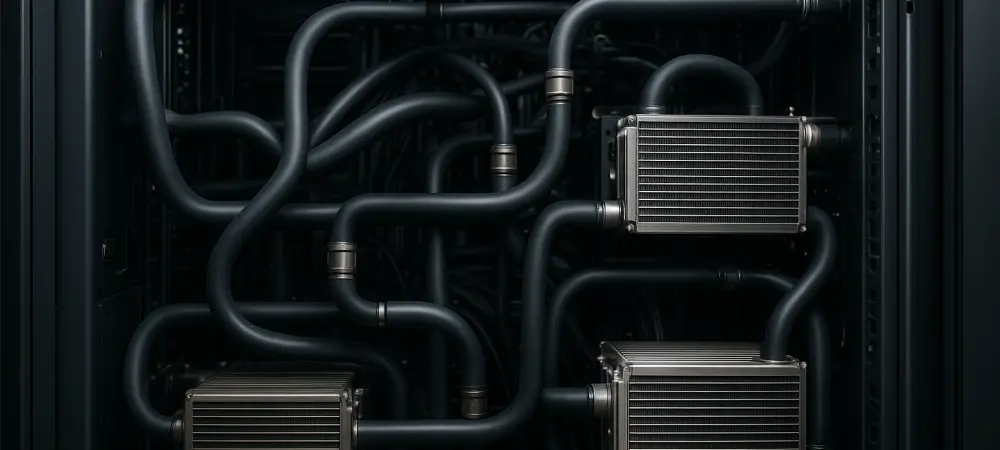
The relentless surge of artificial intelligence workloads has pushed hardware density to a breaking point where traditional air-cooled systems simply cannot dissipate heat efficiently enough to prevent catastrophic thermal throttling. As server racks move toward power densities exceeding 100 kilowatts, the data center industry is facing an unavoidable transition. Air cooling, once the gold standard, has reached its physical limits, forcing a shift toward liquid-based solutions to maintain operational stability.
Modern cloud computing environments now demand more aggressive thermal management than ever before. This necessity has triggered a strategic pivot for HF Sinclair, a company historically rooted in traditional energy production. By expanding its focus from fuels to critical digital infrastructure, the firm is addressing the urgent requirement for high-performance cooling mediums that can handle the massive heat output of next-generation processing units.
The High-Stakes Thermal Challenge of the AI Era
The rapid deployment of generative AI has fundamentally altered the landscape of data center architecture. Traditional fans and heat sinks are no longer sufficient to cool the dense clusters of GPUs required for training large language models. This thermal bottleneck threatens the efficiency and longevity of multi-million dollar hardware installations, making liquid cooling a mandatory requirement for new facilities built from 2026 to 2028.
HF Sinclair recognized this shift as an opportunity to leverage its deep understanding of liquid dynamics. The move from air-cooled to liquid-cooled environments is not merely a hardware upgrade but a fundamental change in how heat is managed at the chip level. This strategic focus ensures that the infrastructure supporting the digital economy remains resilient even as processing demands continue to escalate.
Bridging the Gap Between Petrochemicals and Processing Power
The “Energy-to-Data” trend represents a significant shift in the global economy, as established oil and gas giants like Shell and ExxonMobil enter the cooling market. HF Sinclair’s expansion of its “Innovate” brand into direct-to-chip applications highlights how petrochemical expertise is being repurposed for high-tech ends. These companies possess the specialized knowledge required to formulate fluids that are both thermally efficient and chemically stable over long periods.
Managing the extreme heat of next-generation CPUs requires more than just water; it requires a sophisticated understanding of chemical interactions. By applying years of experience in high-performance fluid development, HF Sinclair provides the necessary medium to bridge the gap between industrial energy production and the precision requirements of modern data centers. This crossover ensures that digital infrastructure benefits from the same reliability standards found in heavy industry.
Engineering the Solution: Inside the Innovate DTC25 Fluid
The development of Innovate DTC25 fluid serves as a testament to precision engineering, utilizing a high-purity deionized water and propylene glycol mixture. This specific PG25 formulation is designed to maximize heat transfer while maintaining a safe operating environment for sensitive electronic components. By adhering to the Open Compute Project’s Base Specification, the fluid meets the rigorous standards demanded by the global data center community.
Beyond simple cooling, the fluid incorporates Organic Acid Technology to protect vital hardware. This technology creates a protective layer on copper, brass, and aluminum surfaces, preventing the corrosion that often plagues liquid-cooled systems. Furthermore, a biostatic formulation is included to inhibit microbial growth, which could otherwise lead to system clogs and reduced thermal efficiency.
Operational safety is further enhanced by the inclusion of a fluorescent blue dye within the mixture. This visual indicator allows for the rapid detection of leaks during regular inspections, ensuring that any breach in system integrity is addressed before it causes hardware damage. Such technical nuances demonstrate a comprehensive approach to fluid design that prioritizes both performance and long-term maintenance.
Leveraging Industrial Expertise for Digital Reliability
One of the primary advantages offered by HF Sinclair is the provision of pre-mixed, ready-to-use solutions. Eliminating the need for on-site mixing significantly reduces the risk of contamination or incorrect ratios, which can lead to catastrophic system failure. This commitment to fluid consistency is vital for data center operators who manage thousands of servers across multiple geographical locations.
The company draws on a long legacy of formulating high-performance fluids for Original Equipment Manufacturers. This experience provides a level of credibility that is essential when dealing with the high-value assets found in modern data centers. Industry consensus has increasingly leaned toward standardized cooling fluids as a primary safeguard for hardware investments, and HF Sinclair’s established reputation helps solidify this trust.
Strategic Implementation of Direct-to-Chip Liquid Cooling
Data center operators successfully integrated these specialized fluids by carefully matching chemical specifications with their specific hardware cooling plates. They prioritized system compatibility during the initial design phase, ensuring that the fluid would not react negatively with the materials used in the cooling loops. This proactive approach allowed for a seamless transition from traditional methods to advanced liquid cooling.
The commissioning process was streamlined through the use of ready-to-use solutions, which saved time during the construction of new facilities. Operators monitored system health through regular fluid purity tests and leak detection protocols, which effectively extended the lifecycle of the thermal management equipment. These actions ensured that the infrastructure remained reliable and efficient, ultimately securing the long-term viability of the data center’s processing capabilities.