

Pioneering the Next Frontier of Industrial Connectivity
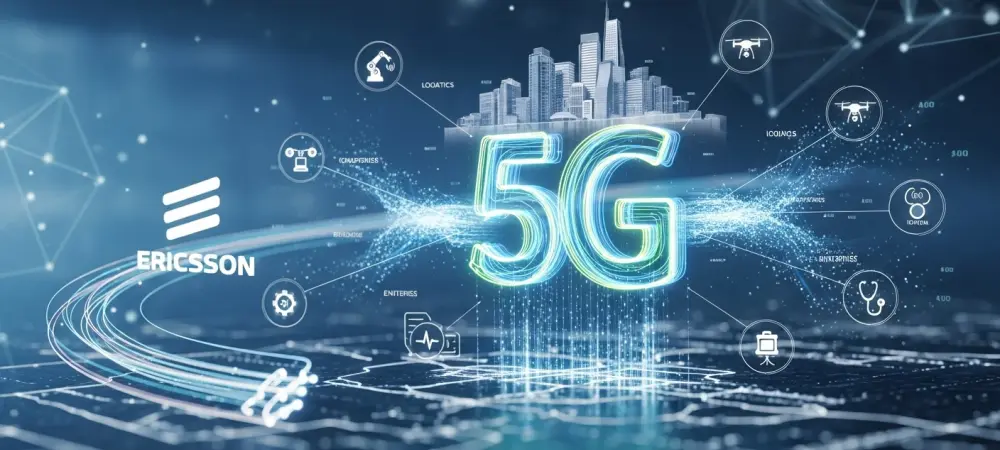
Modern industrial complexes are rapidly abandoning traditional wired systems in favor of high-performance wireless ecosystems that prioritize agility and real-time data processing above all else. As the global telecommunications landscape undergoes a seismic shift, Ericsson is positioning itself at the forefront of a major transition toward Enterprise 5G. While earlier iterations focused on consumer speed, the current strategy transforms cellular technology into a programmable platform for businesses. This move addresses the volatile, cyclical spending patterns of traditional mobile operators by building a more stable, growth-oriented ecosystem for industrial innovation.
From Hardware Provider to Global Innovation Hub
Historically, the telecommunications industry followed a rigid pattern of massive infrastructure rollouts followed by long periods of stagnant investment. This boom-and-bust cycle often left vendors vulnerable to the spending whims of a few large mobile carriers. Ericsson’s shift toward the enterprise sector is a strategic response to these foundational challenges. By leveraging decades of expertise in radio access networks, the company is now focusing on a multi-speed revenue engine. This pivot marks a transition from selling specialized hardware to offering a software-defined environment where wireless technologies serve as catalysts for broad change.
Strategic Pillars of Ericsson’s Enterprise Evolution
Building a Programmable Network Platform Through APIs
A critical component of this strategy involves the creation of a programmable network platform that empowers developers to interact directly with infrastructure. Leadership has championed network APIs to unlock new monetization opportunities. This approach allows businesses to program the network for specific needs, such as prioritizing bandwidth for surgical robots or reducing latency for autonomous drones. By making complex network capabilities accessible, the value proposition shifts from raw connectivity to high-value digital services.
Empowering Private Networks for Seamless Industrial Operations
Another essential angle is the aggressive expansion of private 5G networks, providing dedicated connectivity within specific sites like factories or mines. These systems solve the reliability and security issues often associated with public Wi-Fi. Focus on this area allows enterprises to modernize workflows and implement real-time data monitoring on a massive scale. While some competitors hesitated to fully commit, Ericsson doubled down, viewing these deployments as a primary growth engine for the next decade.
Navigating Market Divergence and the Competitive Landscape
The shift to enterprise connectivity also highlights a significant divergence among major industry players. While one side scales its offerings, rivals have shown signs of retreating from certain private network segments. This competitive gap provides a unique opportunity to define the standards for how programmable connectivity is consumed worldwide. Despite challenges like regional regulations, this platform-based approach addresses the misconception that 5G is merely a faster 4G, proving it is a fundamental tool for productivity.
The Rise of Physical AI and the 6G Horizon
Looking ahead, the integration of physical AI and the development of 6G are set to reshape the industry further. Projections suggest that the future of enterprise technology will rely on the seamless merger of artificial intelligence and physical robotics, requiring the ultra-low latency only advanced cellular networks can provide. As research picks up steam from 2026 to 2030, the focus is shifting toward even more sophisticated sensing capabilities. These technological leaps suggest the role of vendors will evolve into critical strategic partnerships within the global economy.
Leveraging 5G for Long-Term Business Resilience
For businesses looking to stay competitive, connectivity is no longer just a utility; it is a strategic asset. To capitalize on this shift, enterprises should investigate how private networks can eliminate bottlenecks in their current operations. Best practices include starting with targeted use cases, such as asset tracking, and then scaling into a full programmable network environment. Adopting these technologies allows companies to build a resilient digital foundation capable of supporting future innovations in automation and data analytics.
Redefining the Future of Global Industrial Growth
The strategic pivot represented a bold vision for the future of the telecommunications industry. By moving toward a platform-based model, the company effectively decoupled its growth from traditional carrier cycles. This transformation ensured that cellular advancements remained significant drivers of productivity for years. Ultimately, the focus shifted from building better radios to architecting the digital nervous system that powered the next era of global industrial evolution. Organizations that prioritized these agile infrastructures secured a dominant position in the marketplace.