

The seamless tap of a smartphone against a payment terminal has evolved from a novel technical convenience into a fundamental expectation of the modern consumer experience across the globe. In the United States, Near-Field Communication (NFC) now powers roughly 60% of all transactions, marking a definitive shift in how individuals interact with the commercial world. What began as a tool for early adopters and tech enthusiasts has matured into a cornerstone of operational efficiency, reshaping the global commerce landscape into one defined by speed and simplicity. While health concerns in previous years provided the initial spark for touch-free adoption, the current momentum is sustained by a collective desire for a truly frictionless existence. Organizations are no longer merely seeking a hygienic alternative to cash; they are actively reengineering their workflows to eliminate the minor bottlenecks that accumulate and slow down daily life. From the sprawling networks of municipal transit to the high-density environments of entertainment complexes, the objective is to create a silent, technological background that facilitates movement without interruption. By removing the physical barriers associated with legacy payment systems, businesses can redirect their focus toward user satisfaction and service quality. As these systems reach a state of total maturity, the act of making a payment is becoming an invisible byproduct of receiving a product or service, rather than a separate, cumbersome task.
The Infrastructure Shift: Modernizing Public Transit and High-Volume Venues
Streamlining Daily Commutes: The Rise of Open-Loop Systems
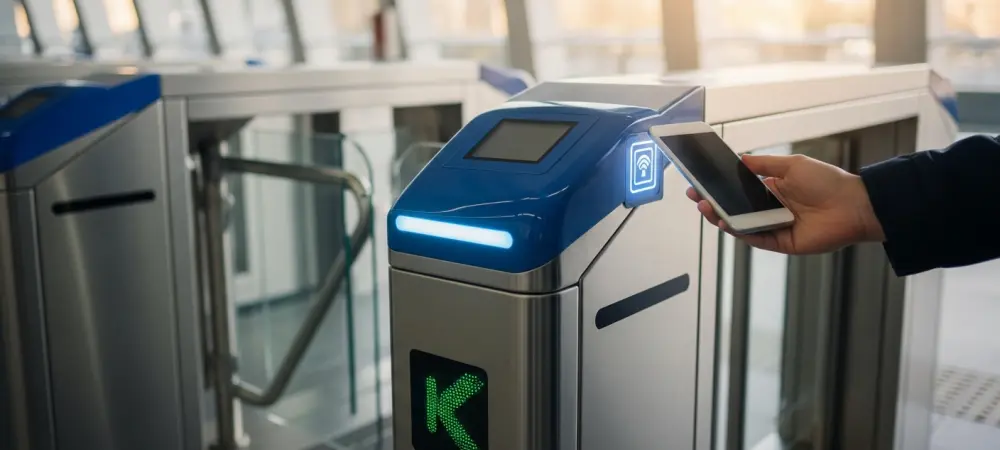
Public transportation systems in major metropolitan hubs like Los Angeles and Seattle are currently undergoing a massive structural overhaul by transitioning to open-loop contactless models. Unlike traditional transit frameworks that required riders to purchase specific, often proprietary, prepaid cards and wait in long lines at physical kiosks, these new systems allow commuters to tap their smartphones or existing bank cards directly at the turnstile. This shift significantly reduces the administrative and maintenance burden on transit agencies, which previously had to manage the logistics of physical card distribution and hardware upkeep. For the rider, the benefits are immediate and tangible, as it removes the anxiety of checking a card balance or navigating a complex fare machine in an unfamiliar city. This level of accessibility is particularly impactful for tourists and occasional riders who might otherwise be deterred by the friction of acquiring local transit media. By aligning transit infrastructure with the devices people already carry, cities are fostering a more inclusive and efficient environment that encourages the use of public resources.
The implementation of these systems also provides transit authorities with unprecedented data insights into commuter behavior, allowing for more precise scheduling and resource allocation. As people move through the city with a single tap, agencies can track peak usage times and bottle-necks with a degree of accuracy that was previously unattainable. Furthermore, the integration of contactless payments often coincides with the rollout of fare-capping policies, where the system automatically calculates the best possible price for the rider based on their usage. This ensures that even those who cannot afford the upfront cost of a monthly pass still receive the same financial benefits as they continue to ride. The result is a more equitable system that rewards frequent use without requiring a high barrier to entry. As more cities adopt this standard from 2026 to 2028, the vision of a nationally interoperable transit experience is becoming a reality, where a single digital wallet serves as a universal key to any bus, train, or subway across the country.
Managing Massive Crowds: Efficiency in High-Volume Venues
High-capacity venues, including professional sports stadiums and sprawling theme parks, are leading the charge toward entirely cash-free environments to optimize guest throughput. By mandating digital payments, these venues can process a significantly higher volume of orders during high-pressure windows, such as halftime or intermissions, when the demand for service is most intense. This transition eliminates the time-consuming process of counting change and managing cash drawers, allowing staff to focus on fulfilling orders more quickly and accurately. For the consumer, it means less time spent standing in line and more time enjoying the event they paid to see. The psychological shift is equally important; when the payment process is quick and painless, guests are often more willing to make spontaneous purchases that they might have avoided if faced with a long queue. Major industry players, such as Disney, have taken this concept even further by integrating contactless payments into comprehensive, all-encompassing digital ecosystems. By allowing guests to manage food orders, attraction reservations, and gift card balances within a single mobile application, they turn a series of complex physical interactions into a series of rapid digital taps. This level of integration is essential for managing high-density crowds and ensuring that the logistical hurdles of the day do not overshadow the entertainment experience. These systems also allow for “just-in-time” service models, where a guest can order food while standing in line for a ride and have it ready for pickup the moment they exit. This orchestration of movement and commerce creates a sense of effortless flow that defines the modern high-volume venue. As venues continue to refine these ecosystems, the focus remains on leveraging technology to hide the machinery of commerce, allowing the primary attraction to remain the center of the guest’s attention throughout their entire visit.
The Hardware Revolution: Redefining Identity and Wearable Integration
Beyond the Credit Card: Digital Wallets as Central Identity Hubs
Digital wallets are rapidly evolving into centralized identity hubs that hold far more than just financial information. As smartphones become legal repositories for driver’s licenses and transit passes, the traditional necessity of carrying a physical wallet is quickly disappearing, paving the way for a “wallet-less” lifestyle that was once the stuff of science fiction. This consolidation of sensitive data into a single, secure device simplifies the daily routine of the average person, who no longer needs to fumble through a physical bag or pocket to find the right card for the right situation. The convenience of having one’s entire identity and purchasing power accessible via biometric verification provides a level of security and ease that physical cards simply cannot match. This trend is not just about convenience; it is about the fundamental reorganization of personal information into a more manageable and portable format. The legal and regulatory landscape is also shifting to accommodate this digital transition, with more state and local governments updating their systems to accept mobile IDs at security checkpoints and retail counters. This shift requires a high degree of coordination between technology providers and public agencies to ensure that digital IDs are as difficult to forge as their physical counterparts. Advanced encryption and tokenization protocols are employed to protect the user’s privacy, ensuring that only the necessary information is shared during a transaction. For instance, when verifying age for a purchase, the digital wallet can confirm the user is over twenty-one without revealing their exact birth date or home address. This privacy-centric approach is a major selling point for consumers who are increasingly wary of data overexposure. As these digital identity frameworks become more robust between 2026 and 2029, the smartphone will solidify its role as the primary interface between the individual and the institutional world, streamlining everything from air travel to medical check-ins.
The Ambient Commerce Frontier: Wearables and Automotive Integration
The technology powering contactless interactions is migrating beyond the smartphone screen and into a variety of new form factors, such as smart rings, watches, and fitness bands. These wearables provide an even higher level of convenience for recurring, low-value transactions because they do not require the user to reach into a bag or unlock a phone. For a runner who wants to buy a bottle of water mid-route or a commuter rushing through a gate, the ability to simply wave a wrist or finger over a sensor is the pinnacle of frictionless design. This diversification of hardware allows the technology to fit seamlessly into the user’s lifestyle rather than forcing the user to adapt to the technology. Furthermore, the integration of NFC and related sensors into clothing and accessories is beginning to blur the line between fashion and functional utility. As these devices become more aesthetically pleasing and battery-efficient, their adoption is expected to climb among demographics that prefer discreet, hands-free solutions for their daily needs. Beyond personal wearables, contactless technology is being embedded directly into commercial and consumer vehicles, enabling a concept known as “ambient commerce.” This refers to a state where purchases are completed with minimal conscious effort, such as a vehicle automatically paying for fuel, tolls, or maintenance services as it moves through a service point. For commercial fleet operators, this automation reduces the potential for driver error and streamlines the expense reporting process, as every transaction is digitally logged and verified in real-time. In the consumer space, this means a driver can pull into a parking garage and have the fee automatically deducted without ever rolling down a window or touching a kiosk. The synthesis of identity, location services, and payment credentials allows for a future where transactions happen almost invisibly as a person moves through their day. This invisible layer of commerce transforms the act of buying into a background process, allowing individuals to focus on their primary tasks while the technology handles the logistical details of payment and verification.
Economic Democratization: Empowering Small Business and Ensuring Security
The Tap-to-Phone Movement: Leveling the Playing Field for Entrepreneurs
Innovation in the contactless space is not limited to large-scale infrastructure; it is also reaching the merchant side through “Tap-to-Phone” technology, which allows small business owners to accept payments without the need for expensive, specialized hardware. This democratizes access to the digital economy by eliminating the upfront costs and subscription fees often associated with traditional card readers and specialized dongles. A local artisan at a farmer’s market or a mobile pet groomer can now accept a secure payment as easily as a major retailer, ensuring they do not lose sales to customers who no longer carry cash. This shift is particularly significant in emerging markets and rural areas, where the infrastructure for traditional banking and card processing may be less developed, allowing these regions to leapfrog directly into a mobile-first economy.
The psychological impact of this technology on small-scale entrepreneurship is profound, as it removes the professional barrier between “cash-only” micro-businesses and established commercial entities. When a small vendor can accept a tap from a high-end smartwatch or a digital wallet, it elevates the perceived legitimacy and modernizes the image of the business. Moreover, Tap-to-Phone solutions often come integrated with simplified accounting and inventory management software, providing small business owners with tools that were previously reserved for larger corporations. This data-driven approach allows entrepreneurs to track sales trends, manage stock levels, and understand customer preferences with minimal effort. As this technology becomes the standard for mobile commerce between 2026 and 2028, the entry barrier for starting a business will continue to lower, fostering a more vibrant and diverse economic landscape. The ability to conduct secure, professional transactions anywhere there is a cellular signal is a powerful catalyst for local economic growth and individual financial independence.
Advanced Safeguards: Biometric Verification and Fraud Mitigation
The rapid rise of frictionless payments brings with it a new set of security challenges that the industry is working tirelessly to address, such as the risk of “ghost tapping” and sophisticated digital fraud. To counter these threats, the payment ecosystem is moving toward mandatory biometric authentication, utilizing facial recognition and fingerprint scanning to verify transactions instantly. By tying the payment credential to a unique biological marker, the system ensures that even if a device is lost or stolen, the underlying financial data remains inaccessible to unauthorized users. This shift toward biometrics is a critical component of the frictionless future, as it provides a higher level of security than traditional PINs or signatures while actually speeding up the checkout process. As consumers become more comfortable using biometrics to unlock their personal devices, they are increasingly expecting the same level of speed and protection at the retail counter. This alignment of security and convenience is essential for maintaining public trust in digital payment systems as they become more integrated into every facet of life. Beyond individual authentication, the industry is also deploying advanced machine learning algorithms to monitor the vast network of contactless transactions for anomalous patterns in real-time. These systems can detect and block fraudulent activity within milliseconds, often before the user is even aware that a threat existed. For example, if a digital wallet is used in two geographically distant locations within a timeframe that makes physical travel impossible, the system can automatically flag the transaction for additional verification. This proactive approach to security is a necessary response to the evolving tactics of cybercriminals who seek to exploit the speed of the frictionless economy. As the technology matures, the focus is shifting toward “zero-trust” architectures, where every interaction is continuously verified without adding noticeable delay to the user experience. By successfully balancing the need for robust protection with the demand for a seamless interface, the industry is ensuring that the move toward a touch-free world does not come at the cost of personal or financial safety, but rather enhances it through superior technological oversight.
Strategic Insights: Navigating the Landscape of Invisible Transactions
The transition toward a frictionless future through contactless technology successfully bridged the gap between physical interactions and digital efficiency. Organizations that prioritized the removal of transactional barriers reported significant improvements in both customer loyalty and operational throughput, proving that speed is a primary driver of modern commercial success. The shift was not merely about replacing physical cards with digital ones; it represented a fundamental reimagining of how individuals navigate urban spaces and commercial environments. By integrating payment and identity into the devices people already use, businesses and municipalities effectively turned every smartphone and wearable into a universal key for modern life. This evolution allowed for a more fluid movement of people through cities and venues, reducing the friction that previously defined the daily experience of millions. The data gathered during this period provided a roadmap for future infrastructure projects, ensuring that resources were allocated where they were most needed based on actual usage patterns rather than estimates.
As the industry moves forward, the focus must remain on the continued democratization of these tools and the relentless pursuit of security through biometric innovation. Small business owners should actively embrace Tap-to-Phone solutions to remain competitive in an increasingly cashless society, while large-scale operators must continue to refine their digital ecosystems to keep pace with rising consumer expectations for “ambient” experiences. The next phase of development will likely involve the deeper integration of artificial intelligence to predict consumer needs before a tap is even initiated, further blurring the line between intent and transaction. Stakeholders should prioritize interoperability and open standards to ensure that the frictionless future remains accessible to everyone, regardless of their choice of hardware or service provider. Ultimately, the success of contactless technology was measured not by its visibility, but by how effectively it faded into the background, allowing the world to move more freely and securely than ever before.