

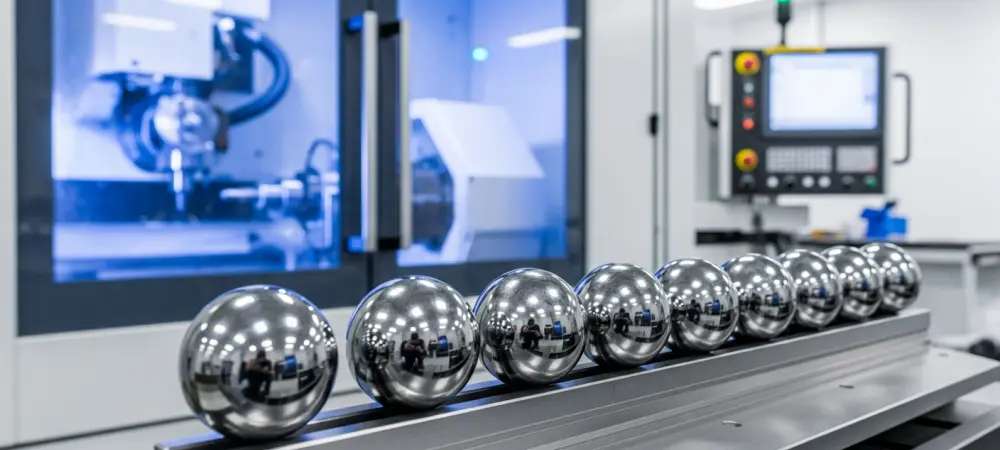
The traditional image of sparks flying and heavy machinery clanging in a dimly lit factory is rapidly being replaced by the silent, sterile precision of high-performance computing environments where every micron of a steel ball is accounted for before a single piece of metal is even touched. This evolution represents a fundamental shift from mechanical hardware toward deep digital intelligence, where the manufacturing process is no longer just about shaping material but about managing complex data streams. In today’s high-stakes industrial landscape, precision components are born in virtual spaces, allowing engineers to define every physical attribute and performance characteristic long before production begins. This digital-first mindset is critical for achieving the microscopic tolerances required by modern applications, from ultra-quiet bearings to high-speed aerospace turbines. By leveraging accurate, validated data, factory floors have transformed into highly efficient ecosystems where every action is a calculated step toward perfection.
Virtual Environments: Enhancing Accuracy Through Simulation
Simulation-driven design has effectively turned the traditional manufacturing timeline on its head by treating quality control as the primary developmental stage rather than a final inspection gate. By creating comprehensive digital models, manufacturers can now perform exhaustive analyses on material grain structures and geometric stability under various stress conditions before physical prototypes are ever made. This approach has drastically reduced the uncertainty that often plagued historical grinding processes, where minor environmental shifts could lead to batch-wide deviations. Engineers utilize finite element analysis to predict how different alloys will respond to the intense thermal loads generated during the finishing stages of ball production. Consequently, the margin for error has been narrowed to levels that were previously considered impossible, ensuring that every dimension aligns perfectly with international standards. This pre-emptive verification process saves significant resources while accelerating the path to market.
Process Integration: Streamlining Design and Machining
Beyond simple design, the deep integration of Computer-Aided Design and Computer-Aided Manufacturing software creates a seamless digital thread that links the engineering office directly to the machine shop floor. This connectivity ensures that the original design intent is meticulously preserved as it translates into complex machine instructions for high-precision grinding and polishing equipment. By optimizing these production sequences in a virtual environment, technicians can identify potential tool path collisions or inefficient material removal rates without risking damage to expensive machinery. This level of synchronization has allowed facilities to maximize their output while minimizing the waste of high-value raw materials like ceramic or specialty steel. Furthermore, the ability to iterate designs digitally means that specialized ball geometries for custom applications can be refined and validated in hours rather than weeks. The resulting efficiency gains have redefined the competitive landscape, making digital proficiency as vital as mechanical expertise in the workshop.
Predictive Management: Moving Beyond Reactive Checks
A significant shift is occurring in the precision industry as manufacturers move away from reactive troubleshooting and toward a model of predictive quality management. Rather than merely reacting to defects found at the end of a production cycle, teams now utilize advanced simulations to anticipate how specific material batches will behave during heat treatment and stabilization phases. This proactive methodology identifies potential structural weaknesses or surface irregularities before they manifest physically, allowing for immediate corrective measures in the virtual blueprint. By analyzing massive datasets from previous production runs, machine learning algorithms can flag subtle patterns that might lead to microscopic inconsistencies in sphericity or surface finish. This foresight allows manufacturers to maintain an unprecedented level of consistency across global supply chains, where environmental variables like humidity and ambient temperature are constantly monitored. Shifting the focus toward prevention rather than detection has solidified the reputation of top-tier ball producers.
Analytical Hubs: The Role of Metrology Laboratories
Modern metrology laboratories have evolved into the strategic nerve centers of the manufacturing facility, creating a closed-loop system that drives continuous operational improvement. High-resolution laser scanners and automated coordinate measuring machines now capture millions of data points from finished components, comparing them instantly against their original digital twins. This real-time comparison allows for the detection of systemic variations in the machinery, such as minor bearing wear or spindle misalignment, which might otherwise go unnoticed for several cycles. Once these deviations are identified, the system can automatically feed corrective data back to the CNC controllers, adjusting machine settings for the next batch in real time. This circular flow of information ensures that the physical product remains an exact replica of the validated digital model, regardless of tool wear or external fluctuations. By maintaining this level of rigorous oversight, manufacturers can guarantee that every single component in a multimillion-unit order meets the exact same high-performance specifications.
Industrial Impact: Reliability in Critical Applications
The strategic advantages of digitalization extend far beyond the factory floor, providing a robust framework for reliability that is essential for critical industries like aerospace and medical technology. In sectors where the failure of a single bearing could have catastrophic consequences, the ability to provide total traceability through digital passports has become a non-negotiable requirement. These digital records contain every data point from the raw material melt through the final polishing stage, offering documented proof of compliance with the most stringent safety regulations. For medical device manufacturers, this means that implantable components or surgical tools are backed by a verifiable history of precision that builds trust with surgeons and regulatory bodies alike. The speed at which new, specialized components can be developed and certified has also increased, allowing for faster innovation in electric vehicle drivetrains and renewable energy systems. Ultimately, these data-driven processes ensure that quality is not just an added feature but a fundamental characteristic.
Strategic Evolution: Path Toward Autonomous Manufacturing
It was ultimately recognized that the transition to digital tools was the only viable path for sustaining long-term growth in an increasingly demanding global marketplace. Manufacturers who embraced these technologies realized that the true value of their operation lay in the accuracy of their data as much as the hardness of their steel. To remain competitive, industry leaders prioritized the upskilling of their workforce, ensuring that technicians were as comfortable with algorithmic modeling as they were with physical grinding wheels. They also invested heavily in interoperable software platforms that allowed for the seamless exchange of data between disparate production stages and global facilities. These organizations moved toward a model of fully autonomous production cells, where the digital twin served as the ultimate authority for every manufacturing decision. By implementing these strategic changes, the industry established a new standard for precision that eliminated the guesswork of the past. The focus shifted permanently toward proactive data management, which proved to be the most effective solution for meeting the challenges of tomorrow.