

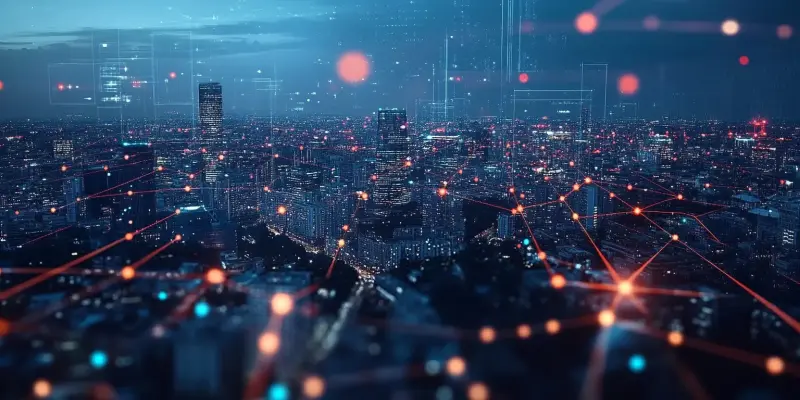
The integration of artificial intelligence (AI) in city infrastructure has revolutionized urban living in various dimensions, offering unprecedented enhancements in efficiency, sustainability, and quality of life. A prime example of AI’s impact can be seen in transportation systems, where AI-powered traffic management solutions reduce congestion and enhance public transit efficiency. By analyzing real-time traffic data, these systems can predict and prevent bottlenecks, optimize traffic light patterns, and suggest alternative routes for drivers, thus contributing to smoother traffic flows and reduced commute times.
In addition to transportation, AI’s role in energy management within smart cities is becoming increasingly significant. AI-driven systems monitor energy consumption patterns across the city, allowing for optimized energy usage and reduced wastage. These intelligent systems can predict peak usage times, enable dynamic pricing, and integrate renewable energy sources more efficiently, supporting cities in their sustainability initiatives. Consequently, AI significantly contributes to the overall reduction in carbon footprints and promotes a greener urban environment.
Public safety has also seen remarkable improvements with AI technologies. Advanced surveillance systems equipped with facial recognition and anomaly detection capabilities enable quicker and more accurate responses to security threats and criminal activities. These AI systems can analyze vast amounts of video footage in real time, flagging suspicious behavior and alerting authorities promptly. This increased level of surveillance not only enhances crime prevention but also ensures a more secure and safer urban environment for the residents.
Furthermore, the healthcare sector within smart cities benefits substantially from AI applications. AI-driven predictive models and diagnostic tools enable more accurate disease detection and efficient resource management in hospitals and clinics. These tools can predict outbreaks, manage patient records, and streamline logistical aspects such as staffing and supply chain management, leading to better healthcare outcomes and improved patient care. Ultimately, the integration of AI in healthcare helps cities to better serve their populations and maintain high standards of public health.
A notable trend is the integration and convergence of multiple AI technologies, creating interconnected urban ecosystems that enhance city management and services. However, with the increasing reliance on AI, there’s a growing need for robust data governance frameworks to address privacy and ethical concerns. Ensuring that AI applications are fair, transparent, and secure is paramount to gaining public trust and promoting responsible use of technology.
The various applications of AI collectively usher in a new era of smart urban living. These technologies are critical in developing smart cities that are not only efficient and sustainable but also secure and user-friendly. As cities continue to evolve and adapt AI-driven solutions, the synergies created by these innovations underscore the pivotal role of AI in shaping the future of urban living.