

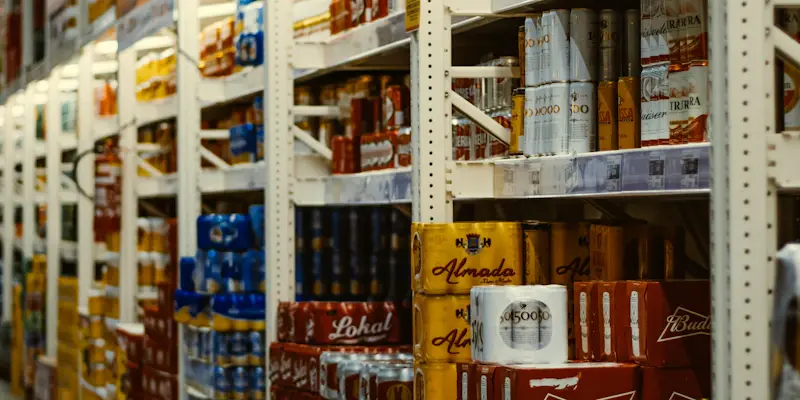
The alcohol retail industry is undergoing a significant transformation, driven by the integration of artificial intelligence (AI). This digital revolution is reshaping how alcohol is marketed, sold, and regulated, offering new opportunities for both retailers and consumers. At the forefront of this change is Drinks, a company leveraging AI to enhance customer experience and ensure regulatory compliance in the fragmented U.S. alcohol market.
The Rise of AI in Alcohol Retail
From Wine Labels to Consumer Preferences
Drinks began its journey nearly a decade ago with a focus on understanding consumer behavior through wine labels. In 2016, the company patented a wine label affinity system that analyzes various aspects of wine labels—such as colors, fonts, and imagery—to influence purchase decisions. This approach is similar to how Netflix customizes thumbnails to capture viewer attention, highlighting the importance of visual appeal in consumer choices. Essentially, the visual aesthetics of a wine label play a critical role in how consumers perceive and decide on their purchases, a strategy that Drinks has successfully capitalized on to drive sales.
The wine label affinity system marked a significant leap in leveraging AI for marketing within the alcohol sector by providing insights into what attracts customers. By meticulously analyzing the visual elements of a label, Drinks has been able to identify patterns and preferences that can guide future designs to better meet consumer expectations. The broader implication for the industry is profound, as it shows how AI can be employed to decode complex consumer behaviors, making it possible for producers to tailor their products more accurately to market demands.
Transition to a SaaS Platform
In 2015, Drinks made a strategic pivot from a direct-to-consumer (D2C) wine business to a software-as-a-service (SaaS) platform, recognizing the broader potential of its compliance and sales infrastructure. This shift was driven by the understanding that its robust system for managing sales and ensuring regulatory compliance could greatly benefit the entire alcohol retail industry. By transforming into a SaaS platform, Drinks positioned itself as a crucial enabler for the alcohol sector, much like how Amazon Web Services (AWS) revolutionized cloud computing with scalable solutions for various industries.
This transition allowed Drinks to offer its advanced infrastructure to other players in the alcohol market, fostering a more compliant and efficient environment. The SaaS model not only provides scalability but also ensures that smaller retailers and producers, who may lack extensive resources, can access sophisticated tools to navigate the complex regulatory landscape. Consequently, Drinks has effectively democratized access to essential business tools, promoting a more inclusive and competitive market. This strategic pivot underscores the company’s commitment to leveraging technology to drive industry-wide improvements and innovation.
Addressing Industry Complexities with DaaS
Comprehensive Regulatory Compliance
Drinks’ flagship platform, Drinks as a Service (DaaS), is designed to tackle the many complexities and fragmentations within the alcohol industry. Regulatory compliance is a major challenge due to the myriad of state and federal laws governing alcohol sales. The DaaS platform ensures compliance by implementing a sophisticated system known as Drinks Assure, which flags volume limits and adjusts product availability based on regional regulations. This helps both producers and retailers navigate the strict state and federal alcohol regulations effectively, reducing the risk of legal issues and ensuring smooth operations across different jurisdictions.
The integration of AI in the Drinks Assure feature exemplifies how technology can streamline regulatory compliance. By automating the monitoring and adjustment of sales practices to adhere to local laws, Drinks Assure minimizes errors and enhances operational efficiency. Producers and retailers can focus on their core business activities with peace of mind, knowing that compliance is managed reliably. This comprehensive approach to regulatory compliance highlights the transformative potential of AI in creating a seamless and legally sound operational environment within the alcohol retail industry.
Expanding Market Reach
The DaaS platform also features a dual marketplace model that connects alcohol producers with non-traditional sellers, such as social media influencers. This innovative approach allows for the compliant marketing and sale of products, thereby expanding market reach and tapping into new customer segments. By leveraging AI, Drinks enables a broader and more diverse sales network, enhancing the visibility and accessibility of alcohol products in compliance with legal requirements. This dual marketplace model not only offers producers new avenues to reach potential customers but also helps influencers diversify their content and monetization strategies.
The ability to connect with non-traditional sellers through the DaaS platform transforms the marketing landscape for alcohol products. Influencers, with their vast and engaged audiences, can introduce products to consumers who might not be reached through conventional channels. This method of marketing is particularly effective in the modern digital age, where social media plays a pivotal role in consumer decision-making. Drinks’ innovative use of AI to facilitate these connections underscores the importance of adaptability and forward-thinking strategies in maintaining a competitive advantage in a highly regulated industry.
Enhancing Personalization and Customer Experience
AI-Driven Recommendations
Personalization has become a cornerstone of the modern shopping experience, and Drinks leverages AI to take this to new heights by tailoring product recommendations to individual preferences. Whether a customer is searching for a casual dinner party wine or a rare whiskey collection, the platform’s AI-driven suggestions create a bespoke shopping experience. This individualized approach enhances customer satisfaction and loyalty by making it easier for consumers to find products that match their tastes and preferences, thereby providing a competitive edge in the crowded online market.
The AI algorithms employed by Drinks analyze a wealth of data points, including past purchases, browsing behavior, and even taste preferences, to generate highly accurate recommendations. This level of personalization not only enriches the customer experience but also drives higher sales and repeat business. In an industry where consumer preferences can be highly subjective and varied, AI-driven recommendations equip retailers with the capability to cater to each customer uniquely, making the shopping journey more engaging and satisfying.
Conversational Commerce and Virtual Sommelier
A particularly exciting development in AI is conversational commerce, where generative AI and large language models revolutionize customer interactions. Drinks’ Virtual Sommelier exemplifies this innovation by guiding customers through wine selections and responding to both informational and product-specific queries. This advanced conversational interface captures nuanced customer preferences, providing highly tailored recommendations and creating a unique “universe of one” for each shopper. By integrating AI into customer support and sales, Drinks offers an elevated level of service that anticipates and addresses individual needs with precision.
The impact of conversational commerce extends beyond just improving customer service—it fundamentally redefines how consumers interact with brands. The Virtual Sommelier can engage with customers in a natural, dialogue-based manner, offering personalized suggestions and insights that replicate the experience of consulting an in-store expert. This level of interaction fosters deeper customer engagement and satisfaction, as consumers feel personally attended to and valued. Furthermore, the continuous learning capabilities of AI ensure that the Virtual Sommelier evolves and improves over time, maintaining relevance and effectiveness in an ever-changing market landscape.
The Future of AI in Alcohol Retail
Personalized Shopping Agents
Looking ahead, the future of AI in the alcohol retail industry is poised for rapid advancements, particularly in personalized and proactive commerce. Barry Collier, co-founder of Drinks, envisions a shift towards personalized shopping agents that seamlessly integrate with major platforms such as Amazon and Shopify. These agents will anticipate and understand individual preferences, offering a highly customized shopping experience that exceeds traditional benchmarks. By predicting consumer needs and making personalized recommendations, these AI-powered shopping agents will significantly enhance customer satisfaction and engagement.
The anticipated development of personalized shopping agents represents a paradigm shift in retail. These digital assistants will be capable of navigating complex datasets and user behaviors to deliver an unprecedented level of personalization. This goes beyond mere recommendations, encompassing a proactive approach where shopping agents can predict future needs and preferences, effectively serving as a digital concierge for each customer. The integration with major e-commerce platforms will further streamline the shopping process, making it more intuitive and aligned with customer expectations, thus driving the next wave of innovation in the alcohol retail industry.
Continuous Expansion of AI Capabilities
The alcohol retail industry is experiencing a major transformation thanks to the integration of artificial intelligence (AI). This digital revolution is changing the way alcohol is marketed, sold, and regulated, creating new opportunities for retailers and consumers alike. Leading this innovative shift is Drinks, a company that utilizes AI to improve customer experiences and ensure compliance with the complex regulatory landscape of the U.S. alcohol market.
AI technology is providing retailers with insights into consumer behavior, enabling them to tailor their marketing strategies and inventory management more effectively. For consumers, this means a more personalized shopping experience, with recommendations and offers that better match their preferences. Additionally, AI helps streamline the regulatory compliance process, ensuring that alcohol sales adhere to the diverse laws and regulations across different states.
This technological advancement is not just about enhancing business operations; it is about creating a seamless, secure, and satisfying experience for both retailers and consumers, marking a significant step forward in the evolution of the alcohol retail industry.