

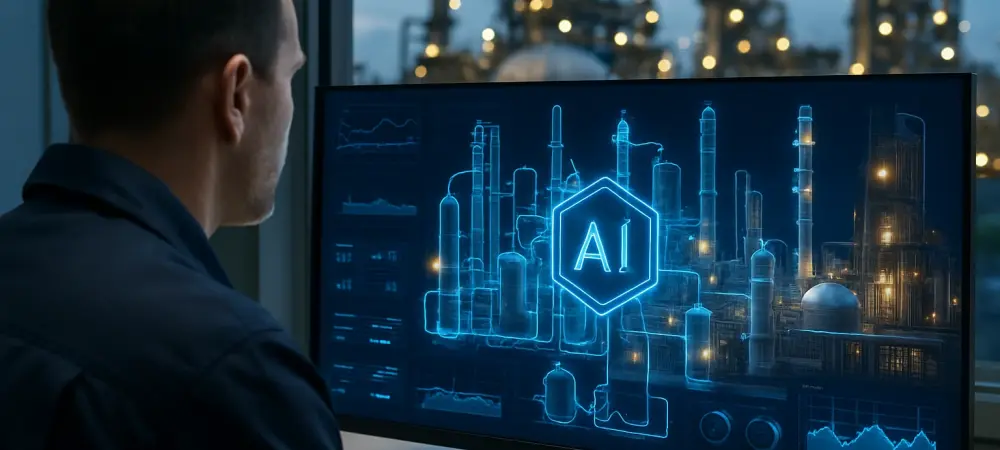
I’m thrilled to sit down with Dominic Jainy, an IT professional whose deep expertise in artificial intelligence, machine learning, and blockchain has made him a leading voice in exploring how cutting-edge technologies can transform industries. Today, we’re diving into the game-changing role of AI in the refining and petrochemical sectors. From optimizing complex processes to enhancing safety and driving energy efficiency, Dominic will share his insights on how AI is no longer just a futuristic concept but a critical tool for modern plants. We’ll explore the practical applications, the challenges of adoption, and what the future holds for this dynamic intersection of technology and industry.
How would you describe the impact of AI on the refining and petrochemical industries today?
AI is revolutionizing these industries by turning vast amounts of data into actionable insights. Refineries and plants deal with incredibly complex systems—think fluctuating feedstock qualities, energy demands, and equipment health. AI steps in to analyze all of that in real time, helping operators make smarter decisions faster. It’s not about replacing people; it’s about amplifying their ability to manage processes, cut costs, and boost safety. Honestly, it’s become a must-have for staying competitive in an industry with razor-thin margins.
What has driven AI from being a cool concept to an essential tool in these plants?
A big driver is the sheer pressure on efficiency and profitability. Every small improvement in yield or energy use can mean millions in savings. On top of that, the industry faces stricter regulations around emissions and safety, plus the constant risk of unplanned downtime. AI offers a way to tackle these challenges head-on with precision that traditional methods just can’t match. Add to that the advancements in computing power and sensor tech, and suddenly, AI isn’t a distant dream—it’s a practical solution ready to deploy.
Can you share a real-world example of how AI is being applied in a refinery right now?
Sure, one clear example is in process optimization. Imagine a refinery dealing with varying crude oil qualities. AI systems can analyze incoming data from sensors and adjust operating conditions—like temperature or pressure—in real time to maximize output. Instead of waiting for a weekly report or relying on trial and error, the system continuously fine-tunes itself. This kind of dynamic adjustment is already happening in many plants, leading to better product quality and less waste.
How does AI improve process optimization compared to traditional approaches?
Traditional methods often depend on historical data and human judgment, which can lag behind real-time changes. AI, on the other hand, uses algorithms to process live data from across the plant—everything from weather impacts to equipment performance—and suggests adjustments instantly. It’s like having a super-smart assistant that’s always learning and adapting. This means less guesswork, fewer inefficiencies, and a tighter grip on maximizing throughput compared to the old periodic reviews.
In what ways does AI contribute to preventing unexpected shutdowns through predictive maintenance?
AI is a game-changer here. It monitors equipment health by analyzing data like vibration patterns or temperature shifts from sensors. By spotting early warning signs of wear or potential failure, it lets teams schedule maintenance before a breakdown happens. This proactive approach cuts down on those costly, chaotic shutdowns that can throw production off track. Instead of reacting to problems, plants can stay ahead of them, keeping operations smooth and steady.
How is AI helping refineries save energy and meet sustainability goals?
Energy consumption is a huge cost in refining, and AI helps by finding inefficiencies that might go unnoticed. For instance, it can optimize how much fuel a furnace uses or fine-tune steam distribution systems to minimize waste. These small tweaks add up across a massive facility, slashing energy bills and cutting emissions. That’s a big win for sustainability, especially with tighter regulations. AI isn’t just saving money—it’s helping plants align with environmental targets and reduce their carbon footprint.
How does AI enhance decision-making across different levels of a plant’s operations?
AI breaks down data silos by pulling together information from lab results, operator logs, and even financial systems. It creates a clearer picture of how everything connects. For engineers, it means testing virtual scenarios before making changes. For executives, it translates technical data into business impacts through easy-to-read dashboards. This connectivity speeds up decisions, aligns them with bigger goals, and ensures everyone—from the control room to the boardroom—is on the same page.
What role does AI play in making refineries safer for workers?
Safety is critical in this industry, and AI acts like an extra set of eyes. It monitors thousands of variables at once, catching unusual patterns—like a pressure spike or temperature anomaly—that could signal a hazard. Humans can miss these during long shifts, but AI doesn’t get tired. Plus, some plants use AI simulations to train staff on rare, high-risk situations, so they’re prepared if something goes wrong. It’s all about preventing accidents before they happen and keeping workers safe.
What are some of the biggest hurdles in adopting AI across an entire refinery?
One major hurdle is integration. Plants often have legacy systems that weren’t built for AI, so connecting everything can be a technical headache. Then there’s the cultural side—getting operators and engineers to trust AI over their gut instincts takes time and training. There’s also the upfront cost and the need for skilled staff to manage these systems. It’s not just about flipping a switch; it’s a long-term commitment that requires buy-in from every level of the organization.
Where do you see AI heading in the refining industry over the next decade?
I think we’re just scratching the surface. Over the next ten years, AI will likely become even more embedded in daily operations, moving toward more autonomous systems that handle routine tasks with minimal human input. We’ll see deeper integration with other technologies like IoT for even richer data streams. Sustainability will be a huge focus, with AI driving innovations in carbon capture or renewable energy use in refining. The key will be balancing tech advancements with human expertise to build plants that are not just efficient, but truly resilient for the future.