

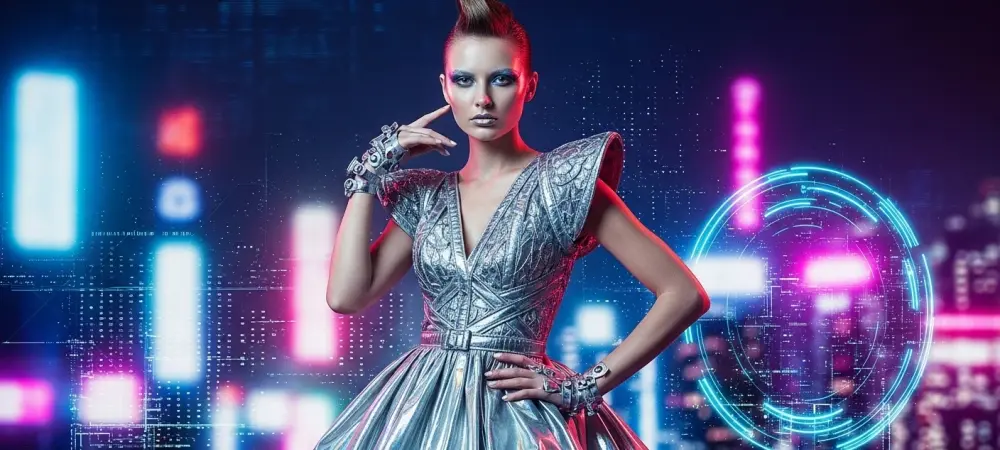
What if a fashion brand could launch a global campaign with jaw-dropping visuals in just hours, slashing costs by nearly 90% compared to traditional methods? This isn’t a pipe dream but a reality driven by artificial intelligence, which is rapidly transforming how brands create and showcase their imagery. In 2025, AI is no longer a novelty in fashion photography; it’s a powerhouse that’s redefining creativity and efficiency with unprecedented impact.
The Game-Changing Power of AI in Fashion
The fashion industry has always been a visual battlefield where stunning imagery can make or break a brand. AI steps in as a revolutionary force, addressing long-standing challenges like exorbitant production costs and grueling timelines. With the AI fashion market showing explosive growth, brands that adopt this technology gain a competitive edge, producing professional-grade visuals at a fraction of the cost and time.
This shift matters profoundly because it democratizes access to high-quality content creation. Small and medium-sized brands, once constrained by budget limitations, can now compete with industry giants. The ability to pivot quickly to market trends while maintaining visual excellence positions AI as an indispensable tool for modern fashion marketing.
Speed and Savings: Redefining Production
One of the most striking impacts of AI lies in its ability to streamline production processes. Traditional fashion shoots often span weeks and cost between $200 and $500 per image, factoring in studio rentals, models, and editing. In contrast, AI-generated images range from just $0.75 to $5 each, with medium-sized brands saving anywhere from $50,000 to $200,000 annually by making the switch.
Beyond cost, the speed of AI is staggering. Entire campaigns that once took 2-6 weeks can now be completed in 1-24 hours. This rapid turnaround allows brands to respond to consumer trends almost instantly, ensuring relevance in a fast-paced market where timing is everything.
Inclusivity at the Click of a Button
AI also champions diversity in ways traditional photography struggles to match. By generating digital models of various ethnicities, ages, and body types, brands can represent a broader audience without the logistical hurdles of multiple casting calls. This capability fosters authentic inclusivity that resonates with today’s socially conscious consumers.
Such flexibility ensures that marketing campaigns reflect diverse demographics effortlessly. A brand can showcase a range of representations in a single day, aligning with values of equality and broadening its appeal across global markets without additional expenses or delays.
Limitless Creativity and Scalability
The creative potential unlocked by AI is boundless. Brands can experiment with thousands of product variations, poses, backgrounds, and lighting setups in minutes, a feat unattainable with physical shoots. This scalability means comprehensive catalog coverage without the budget spikes typically associated with large-scale productions.
Moreover, AI enables rapid iteration for marketing impact. Platforms like SellerPic have demonstrated up to a 20% boost in conversions by allowing brands to test and refine visuals swiftly. This adaptability ensures that campaigns are not just visually stunning but also strategically optimized for engagement.
Industry Voices Weigh In
Experts across the fashion sector agree that AI’s influence is permanent and transformative. Projections indicate the digital twin market, integral to AI modeling, will grow significantly from 2025 to 2028, reflecting confidence in the technology’s quality. Fashion brands leveraging AI tools report a 35% surge in social media engagement, a clear testament to its effectiveness.
An e-commerce manager recently noted, “Transitioning to AI visuals reduced our campaign timeline from three weeks to just three days, enabling us to capitalize on trends as they emerge.” Such real-world feedback underscores how AI delivers tangible results, reshaping workflows and enhancing market responsiveness for brands of all sizes.
Practical Steps to Harness AI in Fashion Imagery
Implementing AI in fashion photography requires a strategic approach to maximize its benefits. Brands should begin by crafting a detailed creative brief that outlines the desired emotions, aesthetics, and identity to be conveyed. Precision in these initial prompts is critical, as vague instructions often lead to inconsistent AI outputs.
Selecting the right tools is equally important. Platforms like SellerPic offer intuitive interfaces and diverse model libraries, aligning with varied brand values and target audiences. Following a structured workflow—prompt creation, technical configuration, image generation, and review—ensures consistent results. Continuous refinement through feedback loops and adherence to ethical standards, such as transparency in AI usage and compliance with data privacy laws, further solidify trust and quality in the process.
Reflecting on AI’s Transformative Journey
Looking back, the integration of AI into fashion photography marked a pivotal shift for brands aiming to balance creativity with efficiency. The technology’s ability to cut costs by up to 90%, accelerate production timelines, and promote inclusivity redefined industry standards. Brands that embraced this innovation found themselves ahead of the curve, captivating audiences with visuals that were both stunning and strategically impactful.
The path forward involved adopting AI not as a replacement for human creativity but as a powerful amplifier. Combining AI’s efficiency with the nuanced storytelling of traditional methods offered a hybrid approach that maximized impact. Brands were encouraged to explore tools like SellerPic to streamline their visual content creation while maintaining authenticity.
Ultimately, the journey highlighted a crucial lesson: staying competitive meant adapting to technological advancements with intention. For those who acted decisively, the next step was to invest in AI solutions, refine workflows, and prioritize ethical practices, ensuring that future campaigns continued to push boundaries while resonating deeply with global audiences.