

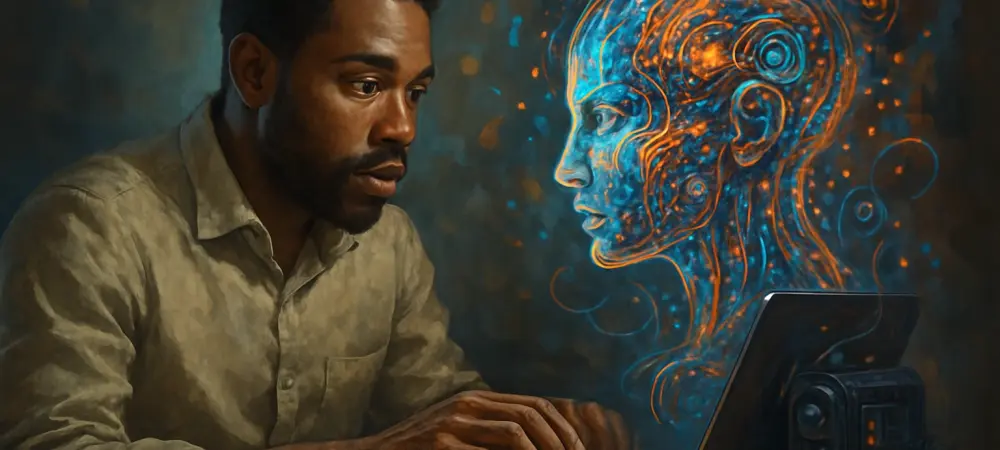
Picture a world where a short film, crafted entirely by artificial intelligence, sweeps a major award at a prestigious festival, leaving audiences and critics stunned by its seamless visuals, gripping narrative, and emotional depth that rival the work of seasoned human filmmakers. This isn’t a distant fantasy but a reality unfolding now, as AI blurs the boundaries between machine and human creativity. Such a scenario sparks curiosity about the limits of technology and its potential to reshape industries. This exploration delves into how AI is transforming tech and creative fields, from social media to smart homes, while navigating the excitement and uncertainty it brings.
The significance of this shift cannot be overstated. AI has evolved from a niche concept to a cornerstone of modern innovation, influencing how content is created, consumed, and experienced across platforms. Its rapid integration into daily life—through personalized algorithms, immersive virtual environments, and even household devices—signals a profound change in human interaction with technology. Beyond mere convenience, AI raises critical questions about authenticity, ethics, and the future of originality. This discussion aims to unpack these layers, spotlighting real-world applications and the voices shaping the conversation.
When Machines Create: A New Artistic Frontier
Consider the implications of AI not just mimicking but innovating in creative spaces. Could algorithms soon surpass human imagination in storytelling or design? This question looms large as tools powered by AI produce music, art, and films that resonate deeply with audiences. The prospect of machine-generated content winning accolades highlights a turning point, where technology becomes a collaborator rather than a mere tool.
This dual nature of AI’s role stirs both awe and apprehension. On one hand, the democratization of creative tools empowers individuals with limited resources to produce high-quality work. On the other hand, concerns about losing the human essence in art and the potential for unchecked AI content to flood social platforms persist. These tensions set the stage for a broader examination of how industries are adapting to this technological wave.
The Unstoppable Surge of AI Across Sectors
The ascent of AI has been nothing short of explosive, embedding itself into nearly every facet of digital and physical environments. From tailoring social media feeds to crafting virtual reality experiences, and even managing smart home ecosystems, AI’s presence is ubiquitous. Its influence extends to content creation, where generative models churn out videos and images from simple text prompts, redefining user engagement.
This pervasive integration matters because it alters daily interactions with technology. Personalized algorithms curate what users see online, while virtual companions offer companionship in immersive spaces. Industry trends show a clear push toward accessibility—tools once reserved for experts are now available to amateurs, fostering inclusivity. Yet, challenges like trust in AI-generated content and authenticity in digital interactions remain pressing concerns for many.
A notable shift is evident in the demand for immersive experiences. Companies are investing heavily in AI to bridge the gap between virtual and real worlds, enhancing everything from entertainment to home automation. As these tools become more intuitive, the balance between innovation and ethical responsibility grows increasingly complex, prompting a need for transparency in how AI shapes user experiences.
AI Innovations Transforming Industries
AI’s impact is most tangible through specific advancements across diverse domains. In social media and virtual reality, Meta’s Instagram app on Quest headsets converts 2D videos into 3D, offering a richer visual experience. Additionally, Horizon Worlds features AI-driven tools like Creator Assistant and Style Reference, streamlining content creation and linking directly with platforms like Facebook for seamless social integration. These developments illustrate how AI enhances immersion while simplifying complex tasks for users.
In generative content, xAI’s Grok Imagine stands out with its video generator, available to premium subscribers, capable of producing short clips from text inputs. Its “Spicy Mode” for suggestive content has sparked debate, alongside challenges like visual artifacts and moderation gaps. Meanwhile, in smart homes, Apple’s recently launched smart home display mirrors competitors like Google Nest Hub, with voice recognition and home control features. Looking ahead, a tabletop robot with an animated Siri interface, slated for 2027, hints at AI becoming a personal companion in physical spaces. Industry reports predict smart home market growth of over 20% annually through this decade, underscoring AI’s expanding footprint.
Indie creators also benefit from AI’s reach. Autodesk’s Flow Studio provides accessible VFX and animation tools with pricing options from free to enterprise, empowering smaller players. Similarly, Metapuppet’s AI-crafted short film Eve and Adam, built using tools like Veo3 and Runway Aleph, showcases storytelling potential for independent artists. These examples reflect a broader trend—studies indicate over 60% of creators now use AI tools to cut costs and boost productivity, signaling a democratization of creative power.
Perspectives from the Frontlines of AI Adoption
Insights from industry figures reveal a nuanced view of AI’s integration. Metapuppet, an Emmy-winning editor, frames AI as an evolution of visual effects rather than a threat to traditional filmmaking. Advocating for its inclusion in film education, this perspective emphasizes AI as a partner in enhancing storytelling, particularly for those with limited budgets or technical skills.
Public sentiment, however, carries a note of caution. An informal poll conducted by tech commentator Charlie Fink revealed widespread concern about unlabeled AI-generated content flooding platforms like TikTok and Reels. Many users struggle to discern real from synthetic media, fueling unease about authenticity. This highlights a critical gap between technological advancement and user trust that must be addressed.
Further depth comes from discussions on Fink’s AI/XR Podcast, where industry leaders weigh in on the balance between innovation and ethics. Corporate optimism often clashes with user skepticism, especially around content moderation and data privacy. These conversations underscore the need for clear guidelines to ensure AI serves as a tool for empowerment rather than deception, reflecting a broader dialogue on responsibility in tech.
Practical Strategies for Embracing AI Responsibly
Navigating this AI-driven landscape requires actionable approaches for creators, users, and businesses alike. Creators are encouraged to experiment with cost-effective tools like Flow Studio to bring ambitious projects to life, while maintaining transparency by labeling AI-generated content. This practice not only builds trust but also aligns with growing calls for accountability in digital spaces.
Users, on the other hand, should prioritize platforms that emphasize robust content moderation and educate themselves on AI’s role in shaping online experiences. Staying informed about how algorithms influence feeds or virtual interactions can mitigate risks of misinformation. Seeking out features that disclose AI involvement helps maintain a critical eye in an increasingly synthetic digital world.
Businesses adopting AI for personalization, such as Meta’s social integration tools, must proactively address trust issues through transparent policies. Implementing clear communication about data usage and content origins can bridge the gap between innovation and user confidence. Ultimately, a framework that balances technological advancement with ethical considerations is essential, ensuring AI’s potential is harnessed without compromising integrity.
Reflecting on AI’s Journey and Future Pathways
Looking back, the integration of AI into tech and creativity has sparked both marvel and debate, reshaping industries with tools that once seemed unimaginable. From Meta’s immersive social features to Apple’s household innovations, and indie projects like Eve and Adam, the landscape has evolved into a tapestry of machine-driven possibility. Yet, the unease over authenticity and ethical boundaries has persisted, as public polls and expert discussions reveal a hunger for clarity.
Moving forward, the focus should shift toward actionable solutions that prioritize trust and transparency. Stakeholders across sectors must collaborate on standards for labeling AI content and refining moderation practices to safeguard digital integrity. Embracing education—whether through creator training or user awareness—stands as a vital step to ensure technology amplifies human potential without overshadowing it. The path ahead demands a commitment to innovation tempered by responsibility, paving the way for a future where AI and humanity coexist in harmony.