

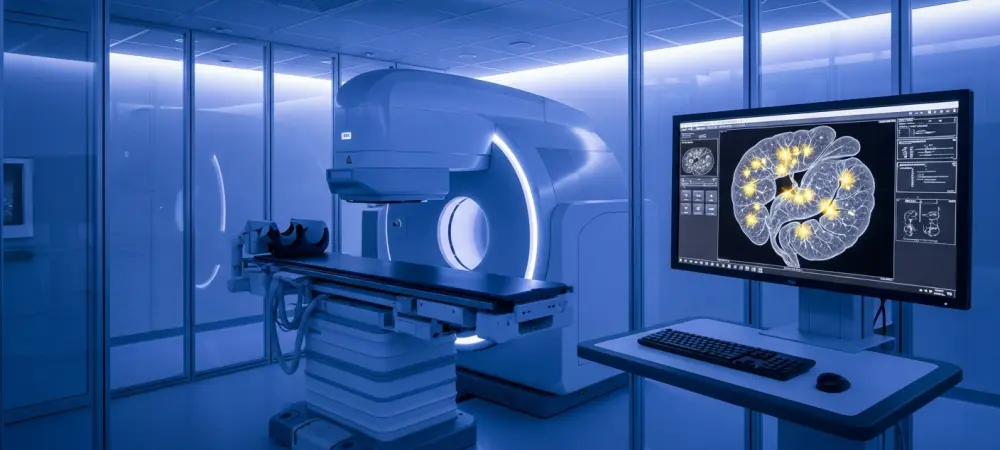
The modern hospital is no longer just a place where sick people go to get better, but a high-tech hub where digital intelligence prevents sickness from taking root in the first place. This fundamental shift marks the end of the traditional reactive era, where physicians waited for symptoms to manifest before initiating a treatment plan that often arrived too late. Today, the integration of artificial intelligence into the molecular diagnostic framework has turned the clinical laboratory into a predictive powerhouse capable of decoding the complex biological signatures that define individual health. By leveraging deep learning algorithms to process vast quantities of genomic and proteomic data, healthcare systems are now identifying the subtle precursors of disease with unprecedented accuracy. This transformation ensures that medical intervention is no longer a one-size-fits-all approach but a highly tailored strategy designed to address the specific needs of each patient. The result is a more resilient healthcare infrastructure where precision is the standard.
Transitioning to a Predictive Healthcare Model
Advanced computational tools are now analyzing biological datasets at a scale and speed that was previously thought to be impossible for human pathologists or clinicians. These AI-driven systems are particularly adept at identifying micro-patterns in blood chemistry and metabolic fluctuations that signal the onset of organ stress well before physical symptoms appear. For instance, subtle changes in protein expression or lipid profiles, which might seem insignificant in isolation, are synthesized by algorithms to predict conditions like chronic kidney disease or metabolic syndrome. By flagging these anomalies early, the diagnostic laboratory provides a critical window for lifestyle interventions or pharmacological stabilization. This capability moves the needle from crisis management to health optimization, ensuring that the body’s physiological balance is maintained. These systems allow doctors to address health issues at their most manageable stages while optimizing patient care across the clinical spectrum. Modern healthcare providers are utilizing risk-scoring engines that aggregate a patient’s historical genetic data with contemporary biomarker readings to create a dynamic health profile. This synthesis provides a longitudinal view of disease susceptibility that static tests simply cannot offer. Such engines are particularly effective in managing complex, multi-factorial conditions like type 2 diabetes and cardiovascular disease, where early risk assessment can lead to life-altering preventive measures. Clinicians now use these insights to prescribe specific prophylactic treatments or dietary adjustments that are mathematically aligned with the patient’s biological needs. This level of foresight allows for a more efficient allocation of medical resources, as high-risk individuals receive intensive monitoring while low-risk patients avoid unnecessary procedures. Ultimately, this predictive framework is reshaping the patient-provider relationship into a long-term wellness partnership that emphasizes sustainable health outcomes for diverse demographics.
Advancing Precision Oncology: The Power of Molecular Theranostics
A significant breakthrough in the treatment of complex malignancies is the emergence of molecular theranostics, a field that seamlessly combines diagnostic imaging with therapeutic delivery. This methodology relies on specialized radioactive or chemical tracers designed to seek out and bind to specific receptors on the surface of cancer cells with high affinity. Once these tracers have localized the tumor, AI-enhanced imaging platforms provide clinicians with a high-definition map of the disease spread, revealing microscopic lesions that traditional scans might miss. By attacking the cancer cells directly at the molecular level, this approach minimizes damage to the surrounding healthy tissue, which has long been a major drawback of systemic chemotherapy. This integration predicts how tumors will respond to various ligands, allowing for a bespoke oncology roadmap for every individual. The efficacy of these targeted therapies is further maximized by AI algorithms that optimize dosage and timing based on the unique metabolic rate of the individual patient. In traditional oncology, dosing is often calculated based on body surface area, a crude metric that does not account for the biological nuances of drug absorption and clearance. Today, machine learning models analyze real-time feedback from initial diagnostic scans to calibrate the exact amount of therapeutic material needed to achieve maximum efficacy with minimal toxicity. This refinement has significantly improved the quality of life for patients undergoing treatment, as the debilitating side effects associated with over-treatment are drastically reduced. Furthermore, the ability to monitor the tumor’s response in real-time allows doctors to pivot their strategies quickly if the cancer begins to show signs of resistance. This agile oncology ensures treatment remains as dynamic as the disease, providing a higher probability of remission and survival for patients.
Strategic Implementation: Next Steps for Precision Systems
The transition toward a precision-led healthcare model was fundamentally accelerated by the strategic implementation of molecular data lakes that consolidated diverse biological inputs. Medical leaders prioritized the recruitment of bioinformaticians who worked alongside clinical staff to ensure that AI recommendations were both scientifically sound and practically applicable. This collaboration necessitated a shift in medical education, where data literacy became as vital as surgical skill or diagnostic intuition. Organizations that adopted these technologies early focused on building robust ethical frameworks to govern the use of predictive data, ensuring that patient privacy was maintained while innovation flourished. These foundational steps allowed for the seamless integration of algorithmic insights into the daily routines of general practitioners. The historical silos between laboratory science and clinical practice were finally dismantled through shared digital platforms that unified patient care. Future growth in this sector required a concerted effort to scale these molecular solutions to underserved populations to prevent a widening gap in health outcomes based on technological access. Investing in decentralized diagnostic hubs served as a viable solution to bring molecular precision to remote areas that previously lacked advanced infrastructure. Policymakers and insurance providers collaborated to establish reimbursement models that favored long-term preventive outcomes over traditional fee-for-service treatments. This financial shift incentivized the adoption of AI-powered diagnostics across smaller clinics, democratizing access to high-tier medical intelligence. Furthermore, the development of open-source molecular databases allowed for global cooperation in identifying emerging viral threats before they reached pandemic proportions. By historical standards, this period represented the moment when medicine moved from a reactive art to a data-driven science. The next phase of development focused on refining these tools to be even more accessible.