

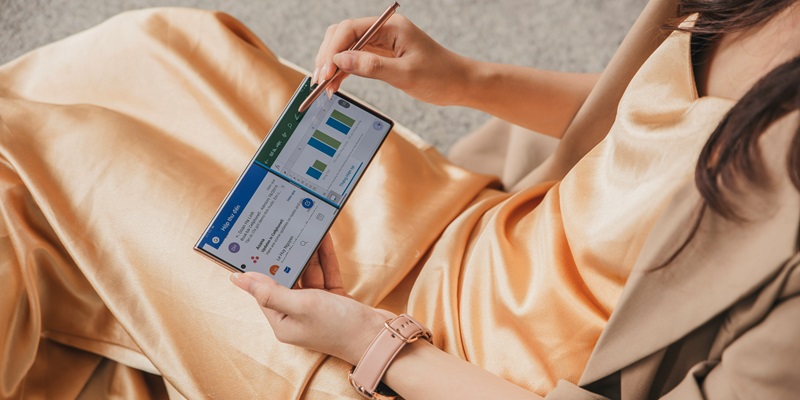
Mobile device interactions have been revolutionized by gesture navigation, with Samsung leading this shift. The company’s integration of advanced technology and user-focused design is exemplified by the introduction of the S Pen. This innovative stylus goes beyond the normal touch interface, providing Samsung device users with more dynamic control and functionality. The S Pen is a testament to Samsung’s commitment to enhancing user experience through intuitive design and technological integration, pushing the boundaries of what is possible with gesture navigation. It allows for more precise interactions, making it a game-changer for efficiency and productivity on Samsung’s compatible devices. This blend of the S Pen’s capabilities with gesture navigation demonstrates Samsung’s role in shaping the future of mobile device usage, delivering a sophisticated, responsive, and tailored experience for users.
Navigating with Precision
The S Pen’s role as a precision instrument cannot be overstated. When utilizing a device’s touch screen with fingers, the accuracy can vary significantly based on the user’s finger size and touch pressure. However, the S Pen provides a fine point that allows for precise interaction with the device’s user interface. This precision becomes crucial when engaging with small on-screen elements or when precise control is needed, for instance, during artistic endeavors or detailed editing work.
When gesture navigation is enabled, the S Pen’s precision enhances the overall user experience by enabling accurately executed gestures. The stylus allows users to perform intricate gestures that would otherwise be challenging with touch input alone. The distinction in input method is particularly noticeable when attempting to execute multi-finger gestures. The S Pen can emulate these inputs with singular, focused swipes or taps, which reduces misinterpretation by the device, leading to a smoother and more predictable interaction.
The Blending of Stylus and Gestures
The S Pen from Samsung revolutionizes gesture navigation, allowing users to command their devices with effortless stylus flicks and swirls. This intuitive interaction method enables one-handed operation, making tasks like switching apps or accessing functions far more convenient. With stylus gestures, users no longer need to stretch fingers across the screen, offering a more ergonomic experience, particularly during extended use.
Samsung’s S Pen blends hardware innovation with software smarts, providing a user-friendly alternative to traditional touch gestures. It stands out as a forward-thinking tool that anticipates the increasing reliance on touch and gesture controls in the tech landscape. The S Pen’s integration into Samsung’s ecosystem is a clear sign of the company’s dedication to aligning with user habits and enhancing device usability through thoughtful innovation.