

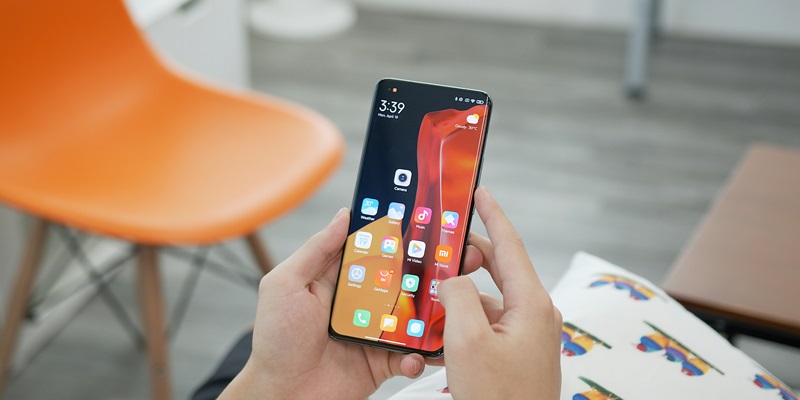
With the launch of the Xiaomi 14 Ultra, the tech giant Xiaomi is audaciously capturing the high-end smartphone segment. This premium model is more than just a new offering; it’s a proclamation of Xiaomi’s commitment to revolutionizing mobile photography. The partnership with Leica—a name synonymous with excellence in the camera world—underscores this ambition.
The unveiling of the Xiaomi 14 Ultra underlines an important shift in Xiaomi’s strategy. By uniting with Leica, Xiaomi is clearly aiming to fuse its advanced smartphone capabilities with Leica’s esteemed photographic heritage. This convergence suggests that Xiaomi is positioning itself as a serious contender in the market where sophisticated photography meets cutting-edge mobile technology.
This ambitious move looks set to enhance the consumer experience in mobile imaging, suggesting that future smartphone photography will be influenced by such collaborations. Xiaomi is evidently striving to set new benchmarks in the industry by pushing the boundaries in smartphone camera technology through its flagship device, signaling a transformative phase in mobile photography.
The Pinnacle of Imaging Technology
The Xiaomi 14 Ultra could very well serve as a watershed moment for mobile imaging, thanks to its pioneering camera system design. At its core is the LYT-900 Type 1.0 sensor, which promises sizable improvements to image quality. Larger sensors are adept at capturing more light; this means better performance in low-light conditions and a significant reduction in noise. The image fidelity is further boosted by Leica’s top-tier Summilux lenses that grace the triple-camera setup, including telephoto, ultra-wide, and macro lenses. This advancement not only elevates the clarity and sharpness of photos but also broadens the creative possibilities for users.
Photography enthusiasts are bound to be enticed by the degree of detail and color fidelity brought forth by these sensors. Xiaomi’s collaboration with Leica extends into the software realm as well, deploying shooting profiles and AI-assisted features designed to replicate the signature styles and granular controls synonymous with Leica’s esteemed cameras. Whether it’s the bokeh effect, the sharpness of a macro shot, or the vast expanse captured by the ultra-wide lens, the Xiaomi 14 Ultra pledges to deliver a mobile photography experience akin to professional standards.
A User Experience Redefined
The Xiaomi 14 Ultra reimagines mobile photography with its state-of-the-art camera tech and user-centric design. Featuring a stunning 6.7-inch AMOLED screen, the phone dazzles users with its exquisite display quality, perfect for reviewing photos and videos. The device’s faux leather back enhances its tactile appeal, while an optional Photography Kit transforms it into a tactile camera-like apparatus for creative professionals.
Powered by the Snapdragon 8 Gen 3 chipset and loaded with 12GB of RAM, the Ultra adeptly manages heavy tasks, making it a powerhouse for both productivity and play. Its IP68 rating ensures durability against the elements, essential for any photographer on the move.
Xiaomi’s 14 Ultra marries functionality with sophistication, paving the way for future mobile photography innovation. The phone is more than a tool; it’s a luxurious statement, aiming to reshape the landscape of visual storytelling through its advanced technology and design finesse.