

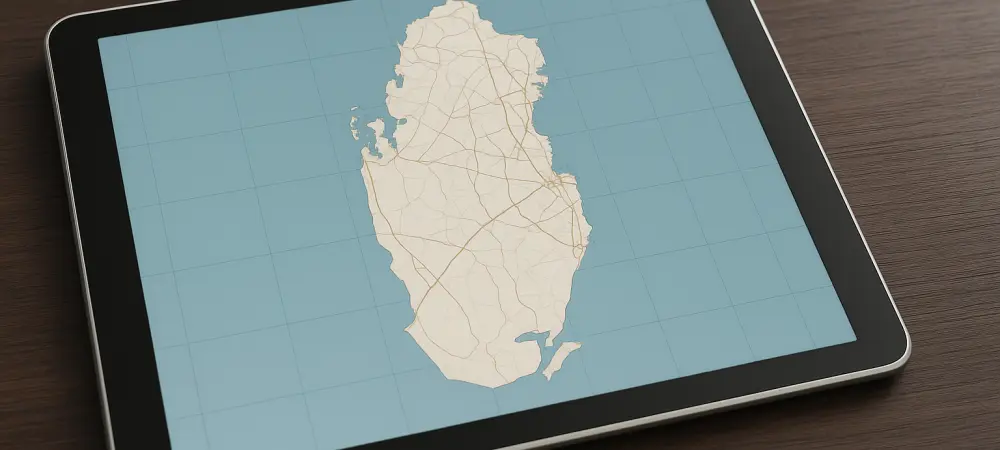
Highly regulated sectors such as finance and healthcare now have a specialized platform that balances the need for innovation with the mandatory requirement for domestic data storage. The launch of the Microsoft Sovereign Private Cloud in Qatar represents a significant milestone in the nation’s digital evolution, specifically catering to organizations that demand the highest levels of security and compliance. By combining Microsoft’s global cloud expertise with the localized operational strength of Meeza, Qatar is effectively creating a technological environment where data sovereignty is no longer a hurdle to digital transformation. This initiative, localized within Meeza’s premier data center facilities, ensures that the state can leverage the full spectrum of modern cloud services while maintaining strict adherence to national data residency laws. As the country accelerates toward its strategic goals, this partnership offers a robust framework for government agencies and large-scale enterprises to migrate their most sensitive workloads to a managed, secure, and entirely domestic environment. The implementation of Azure Local technology within this setup allows for a seamless experience that mirrors the global Azure platform while remaining physically anchored within the borders of Qatar, thereby reinforcing the nation’s position as a regional hub for secure and resilient technology infrastructure.
Achieving National Digital Sovereignty
Ensuring Data Residency: Localized Infrastructure
One of the most critical advantages of this new sovereign cloud environment is the absolute guarantee of domestic data residency, which addresses a long-standing challenge for Qatari enterprises. For years, organizations in the financial and healthcare sectors faced complex legal hurdles when attempting to adopt global cloud solutions, as their governing regulations often mandate that sensitive data remains within national borders. The partnership between Microsoft and Meeza solves this by hosting the Sovereign Private Cloud entirely within Tier III and Tier IV data centers located in Doha. This physical localization means that mission-critical information, from patient records to banking transactions, never leaves the country’s jurisdiction. By providing a secure, local anchor for these services, the initiative empowers organizations to modernize their legacy systems without the risk of non-compliance. This setup not only satisfies current legal requirements but also anticipates future regulatory shifts, ensuring that Qatari businesses remain at the forefront of technological adoption while upholding the highest standards of data integrity and privacy.
Regulatory Compliance: Empowering Specialized Sectors
Beyond the physical location of servers, the Microsoft Sovereign Private Cloud provides a comprehensive framework for digital autonomy and total control over national data assets. This autonomy is essential for maintaining public trust and ensuring that the Qatari government can manage its digital infrastructure according to its own standards and priorities. The platform allows for the implementation of customized security policies that are specifically tailored to the unique regulatory landscape of Qatar. It provides a level of peace of mind that was previously difficult to achieve with standard public cloud offerings, as it bridges the gap between high-performance computing and strict national security protocols. Consequently, this specialized environment serves as a cornerstone for the State of Qatar’s broader security strategy, protecting the nation’s most sensitive information from external vulnerabilities. By aligning advanced cloud capabilities with the specific needs of the public sector, the project fosters a secure digital ecosystem where innovation can thrive within a controlled and highly reliable perimeter.
Enhancing Security for Government Infrastructure
Dedicated Connectivity: Securing State Communications
A defining feature of the Sovereign Private Cloud is the creation of a dedicated access path designed exclusively for government entities, which fundamentally changes how public sector workloads are managed. By leveraging Meeza’s existing high-capacity connection to the official government network, state agencies can now access their workloads on the sovereign cloud without ever having to traverse the public internet. This private routing is a game-changer for cybersecurity, as it significantly reduces the attack surface available to potential threats. Unauthorized actors are effectively blocked from intercepting or disrupting these communications because the data travels over a closed, monitored network. This level of isolation is crucial for protecting the integrity of essential state services and sensitive citizen data, providing a layer of defense that is both robust and efficient. The integration of such high-speed, low-latency connectivity ensures that government operations remain responsive and secure, even when handling massive amounts of data across various departments.
Reduced Cyber Risk: Global Protocols on Domestic Soil
The security model of this initiative is further strengthened by the integration of Microsoft’s global security protocols within a localized, Qatari-managed environment. This approach allows local organizations to benefit from the billions of dollars that Microsoft invests annually in cybersecurity research and threat intelligence, while keeping the actual operational control in domestic hands. This hybrid security strategy means that proactive threat detection and real-time response mechanisms are built directly into the infrastructure. When a potential vulnerability is identified globally, the patches and defense strategies are applied to the local sovereign cloud with the same level of urgency and precision as they are in the public cloud. This ensures that even the most complex cyber challenges are met with sophisticated defenses, keeping the nation’s critical infrastructure resilient against an ever-evolving landscape of digital threats. By combining international expertise with local oversight, the Sovereign Private Cloud provides a unique shield that protects Qatari interests while maintaining the flexibility needed for modern digital operations.
Driving Innovation through Hybrid Flexibility
Bridging the Gap: Synergy of Private and Public Clouds
The introduction of the Microsoft Sovereign Private Cloud brings a new level of operational flexibility to the Qatari market through its advanced hybrid architecture. This system allows organizations to distribute their workloads strategically across different environments based on the sensitivity and scalability needs of each project. For instance, a government department can keep its most sensitive databases on the private, sovereign cloud while utilizing the global public Azure cloud for public-facing web applications or tasks that require massive, temporary spikes in computing power. This hybridity means that Qatari businesses and agencies are no longer locked into a single, rigid environment. They can scale their IT resources up or down with ease, ensuring that they are always using the most efficient and cost-effective tools for the job. This “best-of-both-worlds” approach allows for a more nuanced and effective digital strategy, enabling organizations to innovate at the speed of the global market while remaining firmly rooted in their local security and residency requirements.
Adaptive Architectures: Resilience and Business Continuity
Flexibility in the sovereign cloud is not just about workload distribution; it is also a vital component of business continuity and disaster recovery strategies. Because the local private cloud infrastructure is built on the same Azure Local technology used globally, it provides a consistent operational experience that simplifies the management of complex IT ecosystems. This consistency allows organizations to easily replicate their mission-critical workloads between the local sovereign cloud and other environments. In the event of a localized hardware failure, a natural disaster, or a targeted cyberattack, services can be quickly restored or moved to ensure that essential business functions continue without interruption. This level of reliability is indispensable for maintaining national economic stability and ensuring that Qatari enterprises can compete in a 24/7 global marketplace. By providing a resilient and adaptable platform, Microsoft and Meeza are helping to future-proof Qatar’s digital infrastructure, making it capable of withstanding unexpected challenges while continuing to support the country’s growth and modernization.
Fueling the Future of Artificial Intelligence
AI Groundwork: Scaling Innovation Responsibly
As the nation pursues the ambitious goals of National Vision 2030, the ability to safely and effectively deploy Artificial Intelligence (AI) has become a primary objective. The Sovereign Private Cloud provides the essential groundwork for this evolution by offering a secure, domestic space to process the massive datasets that are required for training and running advanced AI models. In the past, the high sensitivity of certain data types often prevented organizations from utilizing powerful cloud-based AI tools, as the risk of data exposure was considered too high. However, with the arrival of a sovereign local environment, these barriers have been effectively removed. Qatari developers and researchers can now experiment with and deploy AI-driven solutions for predictive healthcare, financial modeling, and urban planning with the confidence that their underlying data is protected. This localized processing power enables the rapid development of custom AI applications that are specifically tuned to the linguistic, cultural, and economic needs of the State of Qatar, accelerating the nation’s progress toward a knowledge-based economy.
National Vision 2030: Economic and Cultural Transformation
The impact of the Sovereign Private Cloud extends far beyond simple technical improvements; it is a foundational platform that supports Qatar’s long-term aspirations as a global technology hub. By providing the tools for innovation within a secure and compliant framework, the partnership between Microsoft and Meeza is fostering a vibrant local tech ecosystem. This environment encourages the growth of local startups and the digital transformation of established industries, creating new opportunities for high-skilled employment and economic diversification. Furthermore, by ensuring that technological progress is aligned with national values and security interests, the initiative helps to protect the country’s cultural and digital identity in an increasingly interconnected world. The Sovereign Private Cloud is designed to be a long-term asset that will evolve alongside the nation’s needs, providing the stability and capability required to support Qatar’s growth for decades to come. It represents a proactive commitment to building a future where technology serves as a catalyst for national prosperity and resilience.
Strategic Evolution: Navigating the New Digital Frontier
The collaboration between Meeza and Microsoft successfully established a new benchmark for digital infrastructure in the region by launching the Sovereign Private Cloud. This initiative addressed the urgent need for a platform that could reconcile the rapid pace of global innovation with the non-negotiable requirements of national sovereignty and data security. By centralizing managed services, connectivity, and advanced software within a single, accountable framework, the partners simplified the path to cloud adoption for the most critical sectors of the Qatari economy. This transition was not merely a change in hardware but a strategic shift in how the nation approached its digital future. The foundation laid by this project ensured that the technological pillars of the country remained robust, scalable, and entirely under local control, providing a clear roadmap for other nations seeking to balance global connectivity with domestic autonomy.
To fully capitalize on this technological shift, Qatari organizations should now prioritize the internal training of their IT staff and the auditing of their current data governance policies. It was no longer enough to simply move workloads to the new cloud; the focus shifted toward optimizing application architectures for a truly hybrid world. Decision-makers were encouraged to conduct a thorough analysis of their operational needs, identifying which critical functions required the strict isolation of the local private cloud and which could benefit from the scalability of the global ecosystem. Moving forward, the emphasis must remain on continuous security monitoring and the ethical deployment of AI models within this secure perimeter. By adopting a proactive and informed approach to cloud management, Qatari enterprises ensured that the technical foundation established by Microsoft and Meeza translated into tangible business value and enhanced national resilience.