

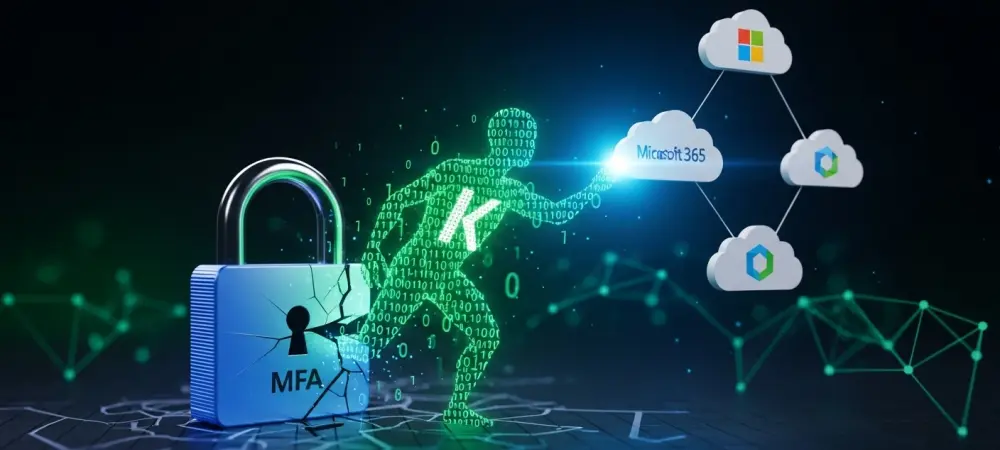
Dominic Jainy stands at the intersection of artificial intelligence and cybersecurity, bringing a wealth of expertise to the evolving world of digital defense. With a deep background in machine learning and blockchain, he has spent years dissecting how automation can be both a shield and a weapon. His current focus centers on the alarming rise of “Phishing-as-a-Service” models that leverage AI to bypass traditional security hurdles. Today, we discuss the recent emergence of the Kali365 platform, a sophisticated toolkit that is changing how we think about account security and the vulnerability of multi-factor authentication.
The conversation explores the mechanics of AI-driven phishing kits, the specific threat of OAuth token hijacking within the Microsoft 365 ecosystem, and the strategic shifts organizations must make to defend their digital perimeters.
With the emergence of tools like Kali365, how are we seeing AI-generated content lowering the technical floor for sophisticated cyberattacks?
The digital landscape shifted significantly when Kali365 was first detected in April 2026, as it effectively democratized high-level cybercrime. By providing AI-generated phishing lures and automated campaign templates via popular platforms like Telegram, this service allows even low-level individuals to launch attacks that once required a high degree of technical skill. It is chilling to realize that an attacker doesn’t need to be a coding genius to monitor victims through real-time tracking dashboards. The sensory experience of a security professional watching these automated campaigns unfold is one of pure urgency, as the speed of AI-driven distribution outpaces traditional manual detection.
The Kali365 attack chain relies on a clever bait-and-switch using legitimate Microsoft verification pages; can you explain why this specific method is so effective at deceiving even cautious users?
This method is particularly insidious because it leans on the victim’s trust in a “legitimate” environment rather than a poorly designed fake website. The attacker initiates the scam with a polished email impersonating a cloud productivity service, providing a device code and a link to an actual, real-deal Microsoft verification page. When a user pastes that code into a legitimate URL, they feel a false sense of safety, never realizing they are actually authorizing a malicious device to bypass their account security. This psychological sleight of hand is the heart of the Kali365 model, turning a user’s own diligence into a gateway for the attacker.
Once an attacker captures these OAuth tokens, what does their “persistent access” actually look like from the perspective of a compromised organization?
Once those tokens are in the hands of a threat actor, the traditional walls of defense effectively crumble without a single password being typed. The attacker gains the ability to roam freely through Outlook, Teams, and OneDrive, often remaining invisible while they exfiltrate sensitive data or monitor internal communications. This bypasses multifactor authentication entirely, meaning the “second lock” on the door is already open, leaving the organization in a state of quiet, undetected vulnerability. It creates a harrowing scenario where the attacker can maintain a presence for weeks or months, harvesting information while the victim believes their account is still secure.
What are the most effective defensive measures an IT department can deploy right now to stop these automated phishing kits from gaining a foothold?
According to the insights shared in the May 21 advisory, the primary defense is to strictly limit or block the device code flow for authentication across the board. Organizations should implement conditional access policies that allow for very few business exceptions, effectively closing the loophole that Kali365 exploits to gain entry. Additionally, blocking authentication transfer policies prevents a user from moving their session from a computer to a mobile device, which is a common tactic for token theft. It is also vital to exclude emergency access accounts from these policies to ensure that IT teams aren’t accidentally locked out of their own systems during a crisis.
What is your forecast for the future of AI-driven phishing services?
I anticipate that these platforms will become even more personalized, using AI to scrape social media and public data to create lures that are indistinguishable from real corporate communications. We will likely see a shift where these PhaaS models operate with full autonomy, adjusting their tactics in real-time based on which templates are successfully bypassing specific security software. As these tools become more accessible on the dark web and Telegram, the sheer volume of “perfect” phishing attempts will force every enterprise to move away from password-reliance and toward more robust, hardware-based identity verification.