

Modern air travel has shifted from a period of disconnected isolation to an era where high-speed internet is considered an essential utility for the contemporary business traveler and leisure passenger alike. This transformation is most visible through the implementation of the Delta Sync Wi-Fi platform, a system that has redefined what passengers expect when stepping onto a commercial aircraft. By leveraging a strategic partnership with T-Mobile, the airline has successfully managed to scale fast and free connectivity across a massive fleet of more than 1,200 aircraft. Since its inception, the system has facilitated over 160 million customer sessions, proving that the demand for robust in-flight bandwidth is nearly insatiable. The service is specifically designed for SkyMiles Members, creating a value proposition that rewards loyalty with immediate digital utility. This integration does not merely offer a connection to the internet; it serves as a gateway to a personalized digital ecosystem that follows the traveler throughout their journey across most global routes.
1. Personalized Digital Ecosystems in the Cabin
The integration of the SkyMiles membership program with the Wi-Fi portal has allowed for a level of personalization that was previously impossible in a shared cabin environment. When a member logs into the system, the platform recognizes their specific travel profile, providing tailored content and flight-specific details that enhance the overall situational awareness of the passenger. This approach transforms the device in the passenger’s hand into a specialized tool for managing the travel experience, moving far beyond simple web browsing. Statistics indicate that travelers who engage with these synchronized services report significantly higher satisfaction scores, as the friction typically associated with air travel is mitigated by real-time updates and familiar digital interfaces. By making the login process seamless and rewarding, the airline has effectively turned a standard utility into a major competitive advantage that encourages continued engagement with the brand long after the flight has landed.
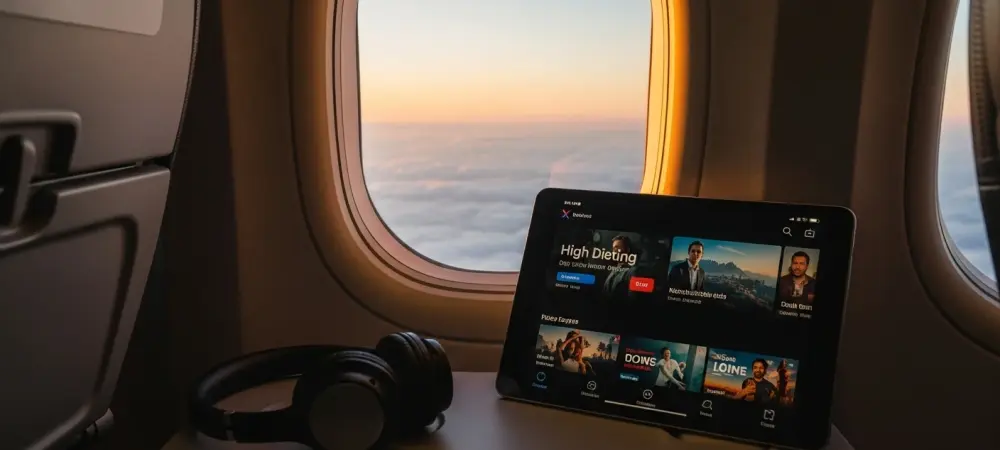
Furthermore, the Delta Sync seatback experience has evolved to mirror the functionality of modern smart televisions found in domestic living rooms. Currently active on 450 aircraft, this hardware and software combination allows for personalized recommendations and real-time trip synchronization directly on the built-in screen. Passengers can access a variety of exclusive offers and entertainment options, ranging from live sports via FOX One to specialized content from Paramount+ and Crunchyroll. This multi-device capability ensures that a traveler can manage emails on a laptop while simultaneously streaming a documentary on the seatback screen without experiencing significant latency or connection drops. The system is engineered to handle high-demand activities, ensuring that the transition from a home or office network to the aircraft cabin is virtually imperceptible. This reliability is critical for maintaining the high standards required by modern professionals who cannot afford to be disconnected during long-haul transit.
2. Technical Infrastructure and Global Expansion
Achieving this level of connectivity across a diverse fleet required a massive overhaul of the underlying technical infrastructure and satellite communication hardware. The network currently spans the majority of the globe, including extensive coverage on transatlantic routes to Europe, Africa, and Latin America, with full trans-Pacific coverage reaching completion within the current calendar year. This expansion is not merely about geographical reach but also about the quality and consistency of the signal provided to every seat on the plane. The engineering teams have focused on pairing specific satellite technologies with the appropriate aircraft types to ensure that bandwidth remains stable even when hundreds of devices are active simultaneously. This meticulous approach to hardware deployment has allowed the airline to maintain industry-leading reliability metrics, setting a new benchmark for how legacy carriers approach the challenge of global mobile networking in high-altitude environments.
Looking toward the near future, the commitment to technological advancement will see the integration of Amazon Leo satellite technology starting in 2026 and continuing through 2028. This partnership involves deploying high-speed, low-latency internet to an initial fleet of 500 aircraft, building upon the existing relationship with Amazon Web Services. The use of low-Earth orbit satellites will drastically improve upload capacities, which has traditionally been a bottleneck for in-flight networks. This upgrade will facilitate faster file sharing, smoother video conferencing, and more responsive streaming for all passengers on board. By utilizing cutting-edge satellite constellations, the airline aims to minimize maintenance requirements while maximizing the performance ceiling of the digital services offered. This strategic roadmap ensures that the infrastructure remains capable of supporting increasingly data-heavy applications as consumer digital habits continue to evolve over the next several years.
3. Shaping the Future of Passenger Engagement
The implementation of free partner offers and exclusive trials demonstrated how digital connectivity could extend the value of a flight well beyond the physical duration of the journey. By offering access to premium services like The New York Times, YouTube Premium, and various streaming platforms without requiring an immediate credit card commitment, the airline successfully created a low-friction entry point for high-value digital goods. These partnerships were strategically chosen to align with the interests of a diverse passenger base, providing entertainment and information that felt curated rather than generic. The ability to start a trial mid-flight and continue using it on the ground provided a tangible benefit that stayed with the passenger, reinforcing the idea that the airline was a facilitator of a broader lifestyle rather than just a transportation provider. This model shifted the focus from merely providing a service to creating a comprehensive value exchange that benefitted both the brand and its customers.
Decision-makers within the aviation industry should have observed how these technological investments functioned as a catalyst for deeper customer loyalty and operational efficiency. The transition to high-speed, low-latency systems provided a foundation for future innovations in cabin management and personalized service delivery that were once restricted by bandwidth limitations. As the rollout of advanced satellite clusters progressed into 2026, the focus moved toward optimizing the user interface and expanding the library of integrated third-party applications. Organizations looking to replicate this success were encouraged to prioritize the integration of loyalty programs with digital services to create a more cohesive user experience. The past success of these initiatives served as a blueprint for how legacy industries could successfully pivot toward a digital-first strategy. Future considerations likely involved exploring how augmented reality or more intensive cloud computing tasks could be supported in the cabin environment as connectivity hardware continued to mature.