

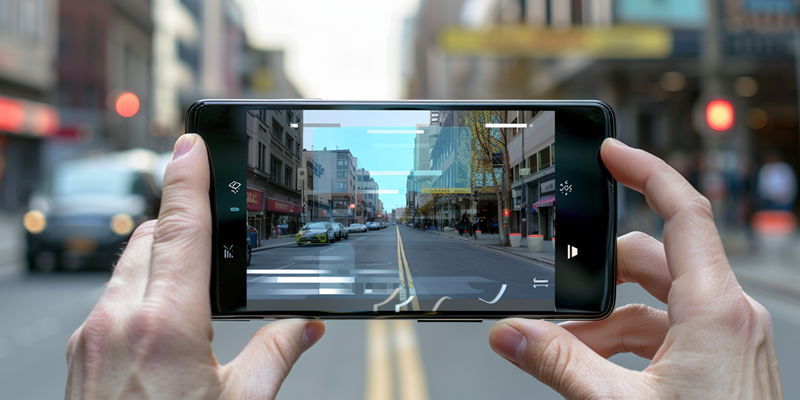
Blippar leads innovation in the augmented reality space with the recent unveiling of its newest product, Blippbuilder Mobile. This pioneering platform is opening up the world of AR creation to a broader audience, empowering users to design, implement, and share AR experiences right from their mobile devices. Blippbuilder Mobile eliminates the need for complex coding knowledge or sophisticated software, setting a new standard for accessibility in the field of AR development.
Revolutionizing AR Content Creation
The Advent of No-Code AR Development
The launch of Blippbuilder Mobile marks a transitional moment for creators interested in working with AR. With its user-friendly interface designed for mobile web browsers, this no-code AR platform simplifies the creation process, making it possible for anyone with a creative vision to build immersive AR experiences. The significance of this cannot be overstated; by removing technical barriers, Blippar is not only democratizing the design process but also expanding the potential of AR to new industries and domains.
Enhancing User Experience with Mobile Accessibility
Blippbuilder Mobile’s focus on mobile accessibility enhances the usability of the platform significantly. Instead of being tethered to desktops, creators can now spontaneously craft and iterate on their AR projects wherever they are, directly from their smartphones. This level of convenience is likely to inspire a new wave of AR content, as the ease of use encourages experimentation and more frequent engagement with the platform. As mobile technology continues to advance, the implications for mobile-first AR content creation are bound to expand, with Blippbuilder Mobile at the forefront of this movement.
Empowering a New Generation of AR Creators
Democratizing Access to Innovative Technologies
Blippbuilder Mobile isn’t just a tool; it’s a movement led by Blippar that encourages a wide range of creators to explore the possibilities of AR. With features like 3D model integration and interactive animations, the platform is robust enough for complex projects while remaining approachable for novices. This blend of simplicity and power could be the catalyst for widespread adoption of AR technology, inspiring creators from educators to marketers to artists. The democratization of access means diverse perspectives can now contribute to the evolution of AR content.
Fostering Creativity and Participation
Blippar is at the forefront of the augmented reality (AR) industry, having recently introduced Blippbuilder Mobile. This cutting-edge tool democratizes AR creation, enabling a wider range of users to craft and distribute their own AR experiences directly from their smartphones. Unlike traditional AR development, which typically requires in-depth programming skills and advanced software, Blippbuilder Mobile simplifies the process. Its user-friendly interface allows individuals who may not have prior coding experience to participate in AR content creation. Blippbuilder Mobile is truly redefining access to AR technology, lowering the barrier to entry and fostering an inclusive environment for budding AR developers. As such, Blippar’s latest offering is a significant milestone in making AR more mainstream and paves the way for increased innovation within the sector.