

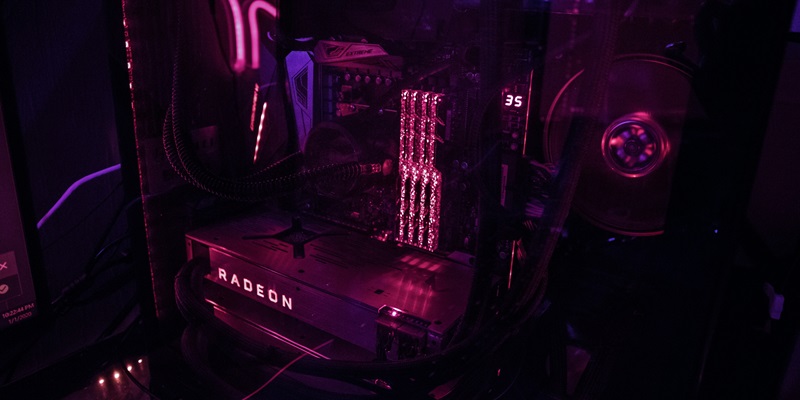
The gaming world is abuzz with the arrival of AMD’s Radeon RX 7900 XT GPU, a powerhouse engineered for peak 1440p and 4K gaming performance. Equipped with a hefty 16GB of GDDR6 memory and a robust configuration of up to 80 compute units, this graphics card stands to redefine visual fidelity and smooth rendering in modern titles. Besides raw horsepower, the RX 7900 series incorporates AMD’s cutting-edge features, designed to enhance the gaming experience. The FidelityFX Super Resolution and Radeon Boost technologies are especially noteworthy for their latency reduction and frame rate amplification capabilities, ensuring faster response times and smoother visuals in action-packed scenarios. This blend of high-end specifications and advanced processing techniques makes the Radeon RX 7900 XT GPU a compelling choice for enthusiasts seeking exceptional gaming performance at high resolutions.
Competitive Edge in a Crowded Market
Prevailing over Nvidia’s RTX 3080 with more memory at a competitive price, the Radeon RX 7900 XT offers an impressive uplift in performance on select games. AMD is amplifying its value proposition with this GPU series that is crafted to cater to multiple levels of gaming proficiency through various models with diverse specs. Compared to predecessors and competitors, the AMD Radeon RX 7900 XT series positions itself as a powerful alternative, armed with both the muscle for intensive gaming tasks and the finesse that fine-tunes the gaming experience.
Software Synergy for Superior Performance
AMD is dedicated to advancing the entire gaming experience, not just through hardware but also with comprehensive software support. The recent launch of the Radeon Software Adrenalin Edition confirms this commitment. This software enhancement is pivotal in optimizing frame rates and enhancing the overall gaming quality. It ensures that gamers can enjoy their preferred games with superior visual fidelity and smoother performance.
As hardware is only part of the solution, the role of AMD’s software tools becomes critical. They are designed to extract the full capability of AMD’s potent GPUs. With consistent updates and refinements, these software offerings are meticulously crafted to maximize the hardware’s effectiveness, offering gamers the high-quality experience they seek. AMD’s software advancements operate in conjunction with the hardware, reinforcing a stronger and more immersive gaming ecosystem.