

In a world where every moment is a potential masterpiece, smartphone cameras have become the ultimate tool for capturing life’s fleeting beauty, whether it’s a breathtaking sunset over a city skyline, a candid laugh at a family gathering, or a distant bird in flight—all preserved with stunning clarity. Xiaomi’s latest releases, the 15T and 17 series, promise to elevate such experiences, boasting cutting-edge camera technology that challenges even dedicated cameras. What sets these devices apart in the crowded premium smartphone market, and which one truly captures the essence of modern photography?
Why Xiaomi’s Camera Tech Grabs Headlines
Smartphone photography has evolved into a defining feature for premium devices, and Xiaomi stands at the forefront of this revolution. With the 15T and 17 series hitting shelves mere days apart, the brand has ignited a fierce debate among tech enthusiasts and casual users alike. These lineups aren’t just about snapping photos; they represent a bold leap toward redefining how everyday moments are immortalized with professional-grade precision.
The significance of this comparison lies in its impact on consumer choice. As social media and content creation continue to dominate digital life, the demand for superior imaging has never been higher. Xiaomi’s latest offerings cater to this need, balancing innovation with accessibility, and understanding their camera differences could guide buyers in selecting a device that matches their creative ambitions.
Xiaomi’s Quest for Imaging Dominance
Behind the sleek designs of the 15T and 17 series lies a strategic push to claim the crown in premium smartphone photography. Xiaomi has recognized that a phone’s camera often sways purchasing decisions, especially in the high-end segment where competition is cutthroat. This focus reflects a broader trend: manufacturers are racing to meet the expectations of users who rely on their devices for everything from Instagram-worthy shots to professional portfolios.
Differentiating these series showcases Xiaomi’s knack for targeting varied audiences. While both lineups aim for excellence, they carve out distinct niches—one leaning toward uncompromising quality, the other balancing performance with affordability. This approach ensures that whether someone is a budding influencer or a seasoned photographer, there’s a Xiaomi device tailored to their vision.
Camera Hardware Under the Lens
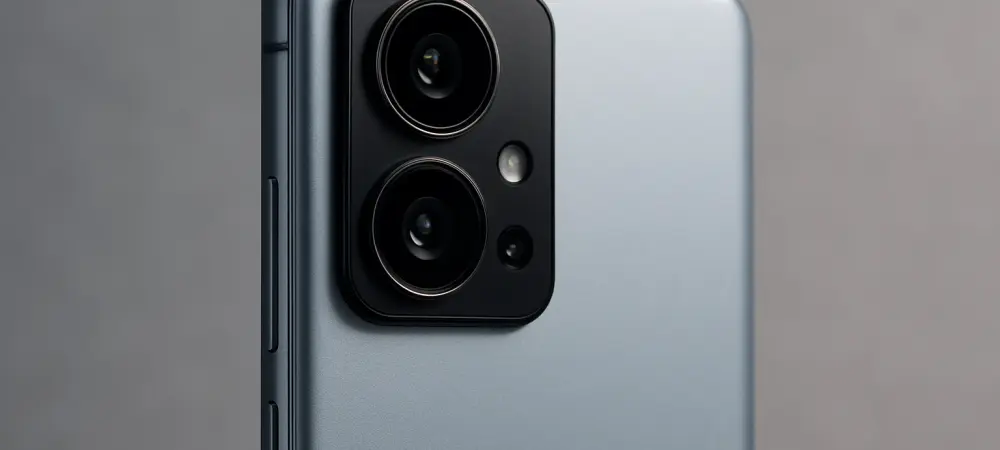
Diving into the specifics, the camera setups of the 15T and 17 series reveal stark contrasts in hardware prowess. The Xiaomi 17 series, positioned as the flagship titan, features a 50 MP Light Hunter 950 main sensor in its standard model, paired with a 2.6x zoom lens and 50 MP ultra-wide and selfie cameras. Stepping up, the Pro and Pro Max variants incorporate the advanced Light Hunter A950L sensor, with the Pro Max boasting a larger ISOCELL GN8 for its 5x periscope zoom, ensuring sharper distant shots.
In comparison, the 15T series targets a slightly more accessible premium tier. Its standard model sports a 1/1.55-inch OVX8000 main sensor, while the Pro version upgrades to a 1/1.31-inch OVX9100. Both share a 12 MP ultra-wide, a 32 MP selfie camera, and zoom capabilities, though the Pro model stands out with a 5x periscope lens against the base model’s 2x. Despite solid specs, this lineup falls short of the 17 series’ consistency in sensor size and zoom innovation. The key takeaway from this hardware face-off is the clear hierarchy. The 17 series prioritizes top-tier imaging with larger, more sophisticated sensors across its models, while the 15T series offers commendable but less groundbreaking technology. This distinction underscores their respective market positions, catering to different levels of photographic ambition.
What Experts Say About Real-World Results
Insights from industry analysts shed light on how these specs translate to performance. Tech experts have noted that the Xiaomi 17 series, particularly with its Light Hunter A950L sensor, excels in low-light conditions, producing images with remarkable detail and minimal noise. The 5x periscope zoom on the Pro Max, backed by the ISOCELL GN8, has been praised for delivering crisp telephoto shots that rival standalone cameras.
User feedback echoes these observations, with early adopters of the 17 series highlighting its edge in challenging scenarios like night photography or capturing fast-moving subjects. Meanwhile, the 15T series garners appreciation for its versatility in everyday use, with vibrant colors and reliable focus for casual snaps. Though it doesn’t match the flagship’s finesse, its performance remains impressive for the price bracket. This blend of expert analysis and real-world experiences paints a nuanced picture. The 17 series appears tailored for those pushing the boundaries of mobile photography, while the 15T series holds strong as a practical choice for users seeking quality without the flagship cost. These insights help frame the decision-making process for potential buyers.
Picking the Perfect Shot: Which Series Fits Best?
Navigating the choice between these two series hinges on individual photography needs. For aspiring professionals or those obsessed with low-light mastery, the Xiaomi 17 series, especially the Pro or Pro Max, stands as the ideal pick. Its advanced sensors and superior 5x zoom make it perfect for intricate shots, be it a dimly lit concert or a far-off landscape.
On the other hand, everyday enthusiasts looking for value will find the 15T series, particularly the Pro model, a worthy companion. With the OVX9100 sensor and a capable 5x zoom on the Pro variant, it handles social media content and casual portraits with ease, often at a more approachable price point. This makes it a smart option for those prioritizing balance over cutting-edge technology. To make an informed decision, comparing sample images from both series under identical conditions—daylight, nighttime, or zoomed-in shots—proves invaluable. Online communities and official Xiaomi channels often share such content, offering a glimpse into real-world differences in clarity and color reproduction. This hands-on evaluation ensures the chosen device aligns with specific creative goals.
Reflecting on Xiaomi’s Camera Legacy
Looking back, the journey of Xiaomi’s 15T and 17 series marked a pivotal moment in smartphone photography, showcasing how far mobile imaging has come. The distinct positioning of each lineup demonstrated a keen understanding of diverse user needs, setting a benchmark for innovation in the premium segment. Their impact lingered in discussions among photographers and tech enthusiasts who marveled at the clarity and creativity unlocked by these devices.
As the dust settled, the path forward became clear for those inspired by this comparison. Exploring local retailers or online platforms to test both series firsthand offered a practical next step, allowing users to experience the tactile differences in camera performance. For those ready to invest, aligning the choice with long-term photography goals—whether capturing life’s daily wonders or pursuing professional-grade projects—ensured that every shot taken was a step toward mastery.