

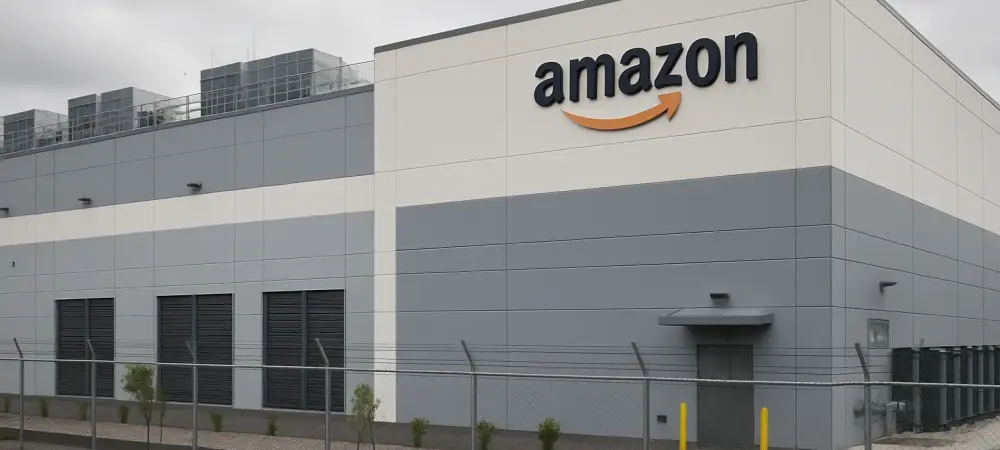
The rapid expansion of digital infrastructure across Ohio has brought both opportunity and significant challenges to local communities, particularly in areas hosting massive facilities like the Amazon Web Services (AWS) data centers. In Jerome Township, located in Union County, the construction of two such centers along Industrial Parkway in Marysville and Warren Road has sparked growing concern among emergency responders and residents alike. With a notable increase in emergency calls, tragic incidents, and operational hurdles, the burden on local firefighting and safety resources has become a pressing issue. This situation raises critical questions about balancing economic growth with public safety, as the state continues to attract billions in tech investments. Delving into the specifics of these challenges reveals a complex interplay of corporate expansion, community impact, and the urgent need for strategic solutions to mitigate strain.
Challenges Faced by Local Emergency Services
Rising Emergency Call Volume and Tragic Outcomes
In Jerome Township, the presence of two AWS data centers under construction has led to a significant spike in emergency calls, placing unprecedented pressure on local firefighting resources. Since the rezoning approval for these facilities, a total of 84 emergency calls have been recorded, averaging roughly two per month. These incidents often demand immediate responses with full urgency, diverting firefighters from other community needs. Even more alarming are the tragic events that have unfolded at these sites, including two fatalities—one worker crushed at the Warren Road location and another who fell at the Industrial Parkway site. Such incidents underscore the inherent risks associated with large-scale construction projects and the critical role of emergency services in addressing life-threatening situations. The frequency and severity of these calls highlight a growing challenge for a township unprepared for such intense demands on its limited resources.
Operational Delays and Resource Diversion
Beyond the sheer volume of emergency calls, operational friction between data center security protocols and local responders has compounded the strain in Jerome Township. Firefighters have encountered delays of up to an hour when responding to incidents, often due to stringent background checks and access restrictions imposed by contractors at the sites. These delays, acknowledged by an Amazon spokesperson as stemming from varying contractor policies, have hindered timely interventions and exacerbated risks during critical moments. As a result, emergency personnel are frequently pulled away from other local emergencies, leaving the broader community vulnerable. Jerome Township Fire Chief David Baird has noted the frustration of balancing these demands, pointing out that while economic benefits are evident, the immediate toll on public safety resources remains a significant concern. This situation calls for a reevaluation of how access protocols are managed to ensure swift emergency responses.
Broader Impacts and Future Considerations
Economic Growth Versus Public Safety Costs
The proliferation of data centers across Ohio represents a double-edged sword, offering substantial economic investments while imposing hidden costs on local communities. Amazon has already poured over $10 billion into the state’s digital infrastructure, with plans for an additional $7.8 billion by 2029 or 2030. Projects span multiple locations, including a sprawling campus in Marysville Innovation Park, a $2 billion development in Sunbury, and a five-building complex in New Albany backed by a $3.5 billion investment. Yet, many of these initiatives come with tax abatements, delaying direct financial contributions to offset the heightened need for emergency services and safety inspections. This imbalance leaves townships like Jerome grappling with the immediate burden of supporting large-scale facilities without adequate funding. The tension between fostering business growth and ensuring public safety remains a central issue for policymakers and local leaders navigating this tech boom.
Community Responses and Potential Solutions
Communities across Ohio are beginning to push back against the unchecked expansion of data centers, seeking ways to address the strain on resources while still reaping economic benefits. In Jerome Township, a nine-month moratorium on new data center projects reflects growing unease about the sustainability of hosting such facilities without sufficient infrastructure support. This pause aims to provide breathing room for reassessing resource allocation and safety protocols. Meanwhile, a contrasting example from Culpeper County, Virginia, offers a promising model, where Amazon has partnered with local law enforcement and fire departments to conduct training on facility layouts and emergency access points. Such collaboration has minimized response delays and enhanced safety measures, suggesting a path forward for Ohio. Looking back, the challenges faced underscore the need for proactive partnerships and standardized protocols between tech giants and local agencies to ensure that growth does not come at the expense of community well-being. Moving ahead, prioritizing these cooperative efforts could pave the way for a balanced approach, addressing both safety concerns and economic aspirations.