

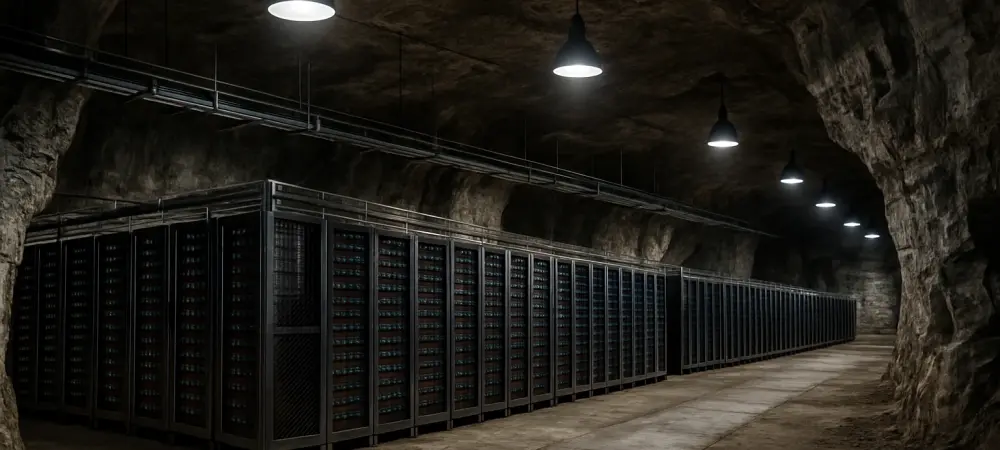
In a rapidly digitizing world where data is often dubbed the new oil, the escalating demand for data centers to store and process information has sparked innovative solutions, especially in countries like India with a rich industrial past. As technology giants and startups alike vie for space to house servers driven by artificial intelligence, cloud computing, and 5G technologies, an unexpected player has entered the fray: the coal mining sector. Coal India Limited (CIL), a state-owned giant managing hundreds of mines, is exploring a groundbreaking idea to repurpose decommissioned coal mines into modern data centers. This initiative not only promises to breathe new life into idle infrastructure but also raises intriguing questions about balancing technological needs with environmental responsibilities. Amidst India’s complex energy landscape, where coal still fuels a significant portion of electricity, this move could redefine how legacy industries adapt to contemporary challenges.
Transforming Industrial Relics into Tech Hubs
The concept of converting old coal mines into data centers is gaining traction as CIL embarks on a comprehensive feasibility study to evaluate its potential. Supported by expert consultants, the study delves into site-specific assessments at locations such as Umrer, Saraipali in Korba, Himgir Rampur near Jharsuguda, and Nigahi. It examines various data center models, including hyperscale, colocation, and edge facilities, while factoring in demand drivers like the Internet of Things and rapid digital adoption across sectors. Key operational aspects under scrutiny include power availability, cooling mechanisms, and connectivity, alongside regulatory hurdles that could impede progress. This strategic pivot aims to leverage redundant assets for high-growth industries, showcasing a pragmatic approach to infrastructure reuse. By aligning with global benchmarks, CIL seeks to ensure that these transformations meet international standards, potentially positioning India as a unique player in the data storage arena while navigating the intricacies of repurposing industrial sites for cutting-edge technology needs.
Balancing Energy Demands with Sustainable Goals
Reflecting on this initiative, it becomes evident that sustainability plays a pivotal role in shaping CIL’s vision, even as coal remains a dominant energy source, accounting for roughly 60% of India’s electricity. Efforts to integrate renewable energy at prospective data center sites mark a step toward greener practices, despite the absence of a clear timeline for phasing out coal dependency. Globally, similar trends have emerged, with coal-related infrastructure in regions like the United States being repurposed to support data centers, highlighting a practical interim solution to soaring power demands. Looking back, the focus was on harmonizing immediate technological requirements with long-term environmental objectives. Moving forward, stakeholders must prioritize actionable strategies, such as accelerating investments in renewable integration and fostering public-private partnerships to address deployment barriers. This nuanced approach could set a precedent for other traditional industries, ensuring that the shift to digital infrastructure also paves the way for a more sustainable future.