

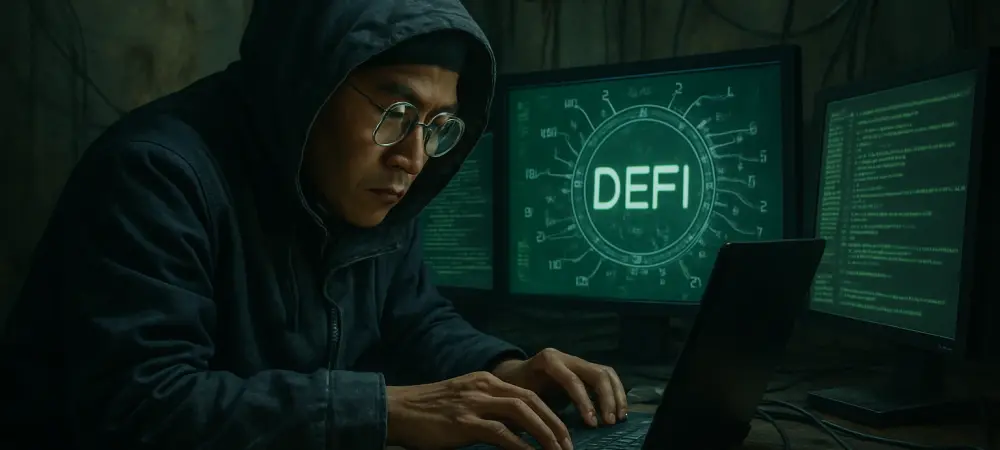
What happens when a state-sponsored cybercrime syndicate sets its sights on the booming world of decentralized finance, known as DeFi? Picture a digital battlefield where billions in assets hang in the balance, and a shadowy group exploits both code and human trust to strike with chilling precision. This is the reality of a sophisticated attack by the North Korea-linked Lazarus Group, a notorious threat actor that has turned DeFi into a prime target. This story dives into the heart of their calculated assault, revealing a blend of deception and cutting-edge malware that has rattled the foundations of digital finance.
The significance of this cyberattack cannot be overstated. DeFi, a sector built on the promise of financial autonomy, holds over $100 billion in locked value as of recent estimates, yet it often lacks the robust security frameworks of traditional finance. When a group like Lazarus—known for high-profile breaches—targets this space, it exposes critical vulnerabilities that could undermine trust in blockchain-based systems. This account uncovers the intricate tactics behind their campaign, offering a stark reminder of the escalating risks in an industry still finding its footing.
Exposing the Silent Threat in DeFi’s Digital Wild West
DeFi has emerged as a revolutionary force, promising a world without intermediaries where users control their financial destiny. However, this freedom comes at a cost—security gaps that make the sector a magnet for advanced threat actors. With minimal regulation and a user base sometimes unprepared for sophisticated attacks, platforms managing vast sums become low-hanging fruit for groups seeking to fund illicit agendas through cybercrime.
Lazarus Group, attributed to North Korea, has a track record of exploiting such weaknesses. Their focus on DeFi isn’t random; it’s a calculated move to tap into a goldmine of digital assets while evading the scrutiny that traditional financial institutions face. This section sets the stage for understanding why this sector, with its rapid growth outpacing defensive measures, has become a battleground for state-sponsored cyber warfare.
Why DeFi Attracts the Eye of State-Backed Predators
The allure of DeFi lies in its open, borderless nature, allowing anyone with an internet connection to participate in a financial ecosystem. Yet, this accessibility also paints a target on its back. Industry reports indicate that DeFi protocols lost over $1.5 billion to hacks in a single recent year, highlighting systemic flaws in smart contract design and user education that sophisticated actors exploit with ease.
For a group like Lazarus, DeFi offers not just financial gain but also a strategic edge. Their attacks often serve dual purposes—funding state operations and destabilizing global trust in emerging technologies. This dynamic positions the sector as a prime arena for advanced persistent threats, where the stakes are high, and the defenses are often playing catch-up to relentless, well-resourced adversaries.
Inside the Multi-Stage Assault of a Cyber Titan
The Lazarus Group’s campaign against a DeFi organization unfolded like a meticulously scripted thriller. It began with cunning social engineering, where attackers posed as trading company employees on Telegram, luring victims into virtual meetings via fake scheduling sites mimicking legitimate platforms like Calendly. Speculation points to a potential zero-day vulnerability in Chrome as the entry point, a tactic that allowed initial access with surgical precision.
Once inside, the assault escalated with a trio of malware tools, each serving a distinct purpose. PerfhLoader acted as the gateway, deploying PondRAT—a basic remote access trojan for file operations and shellcode execution. This was followed by ThemeForestRAT, an in-memory tool echoing past Lazarus malware, designed for stealthy command execution. For high-value targets, RemotePE emerged as the final weapon, a sophisticated trojan indicating deeper, more persistent infiltration.
The operation didn’t stop at access; it aimed for dominance. Tools like keyloggers, screenshot utilities, and Mimikatz harvested credentials while ensuring sustained network presence. A researcher from a leading cybersecurity firm noted, “This phased approach, blending basic and advanced malware, shows a deliberate effort to maximize impact while staying under the radar.” Each layer of the attack built toward a chilling endgame of data theft and potential sabotage.
Decoding the Evolution of a Persistent Cyber Foe
Lazarus Group’s adaptability stands out as a defining trait in their latest DeFi strike. Experts point to their shift toward targeting emerging financial sectors as evidence of a broader trend in state-sponsored cybercrime. Their use of in-memory malware like ThemeForestRAT, which evades traditional antivirus by avoiding disk storage, underscores a mastery of stealth that keeps defenders on edge.
Historical parallels amplify the gravity of their threat. Dating back to the infamous 2014 Sony Pictures breach, this group has honed a blend of technical skill and psychological manipulation. A cybersecurity analyst remarked, “Their ability to tailor attacks—starting with crude social engineering and escalating to advanced tools—mirrors a military-style operation.” This evolving landscape signals that no sector, especially one as dynamic as DeFi, is safe from their reach.
Fortifying DeFi Against the Next Digital Onslaught
Defending DeFi from actors like Lazarus demands a multifaceted strategy that goes beyond mere technology. User awareness must be the first line of defense—training to recognize social engineering tactics, such as suspicious meeting invites or unverified links, can thwart initial compromises. Verification of identities before engaging in sensitive interactions remains a critical step.
On the technical front, robust endpoint security is non-negotiable. Advanced detection systems capable of spotting in-memory threats and unusual network patterns can disrupt tools like ThemeForestRAT. Regular software patches, especially for browsers like Chrome, alongside sandboxed environments for risky interactions, offer additional shields. Finally, multilayered defenses combining behavioral analysis with traditional protections can intercept phased attacks before they escalate, safeguarding the decentralized ecosystem from covert predators.
In reflecting on the Lazarus Group’s audacious campaign against a DeFi organization, it becomes clear that their blend of social engineering and sophisticated malware like PondRAT, ThemeForestRAT, and RemotePE poses a formidable challenge. The attack exposed not just technical vulnerabilities but also the human factors that such groups exploit with ease. Looking ahead, the path forward demands urgent action—strengthening user education, deploying cutting-edge detection tools, and fostering industry-wide collaboration to build resilience. Only through such proactive steps can the DeFi sector hope to withstand the relentless ingenuity of state-backed cyber adversaries in the battles that loom on the horizon.