

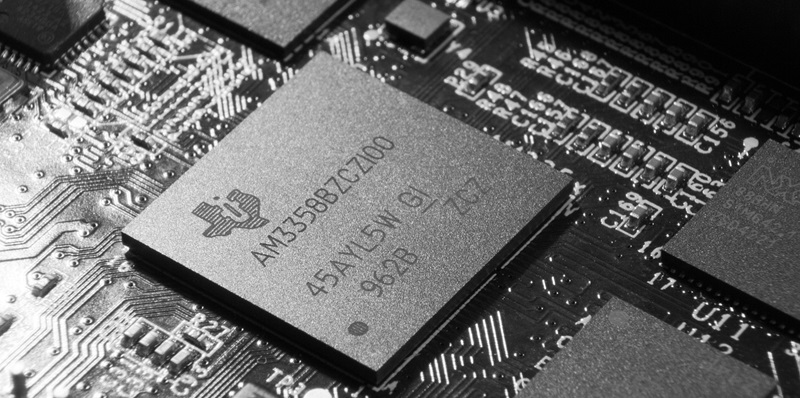
In the relentless race for computing supremacy, Intel’s latest marvel, the Core i9-14900KS, has emerged as a formidable force. Dazzling technology aficionados and demanding professionals alike, this CPU has eclipsed any of its predecessors with awe-inspiring speed. Marking a paradigm shift in the expectations from consumer-grade processors, the i9-14900KS didn’t just surpass previous benchmarks—it utterly redefined them with its stellar performance.
This breakthrough heralds a new era in high-performance computing, pushing the boundaries of speed and power. With each release, processors like the i9-14900KS reflect the enduring human desire to break technological limits and pave the way for future advancements that could transform how we interact with technology in our personal and professional lives. The bar has been set astonishingly high by Intel, and picking up the gauntlet from here will be the next exciting chapter in the saga of CPU evolution.
The Record-Breaking Feat
Achieving Unprecedented Speeds
Expert overclockers from the Asus team, featuring luminaries like Elmor and Shamino, have elevated performance by overclocking an Intel Core i9-14900KS to a staggering 9.117GHz on a single core, surpassing the previous i9-14900KF record. By utilizing the superior cooling capabilities of liquid helium and adjusting voltages well beyond conventional standards, they’ve showcased the tremendous potential and adaptability of current CPUs. Although these extreme measures are far from the operating conditions of average users, the achievement underscores the impressive advancements in CPU technology and the extraordinary limits that expert tuning can unlock. This accomplishment, emblematic of the niche field of competitive overclocking, illustrates how advanced engineering can push hardware performance into new realms.
Implications for Daily Computing
Intel’s Core i9-14900KS processor showcases its remarkable capacity through the feats of enthusiasts who push it to extremes with liquid helium. Such overclocking highlights the chip’s underlying potential, but these records are more about showcasing possibilities than setting everyday user expectations. For the average customer, these accomplishments confirm that Intel CPUs have substantial headroom for optimization. Everyday users won’t reach cryogenic-level speeds, yet there’s reassurance in knowing that their processors can handle demanding tasks with reliability. It’s essential to recognize that while these record-breaking speeds are a testament to technological capabilities, they’re not reflective of typical computing needs. The real benefits for most come from steady and enduring performance, not the extremes of overclocking.
Unleashing Extreme Potential
The Competitive Overclocking Community
Overclocking experts like South Korean Safedisk and Splave have not only pushed the 14900KS to its limits but have also set global benchmarks in computationally intensive tasks such as PiFast, SuperPI 1M, and PYPrime 32B, all of which are markers for comparing computational speed and efficiency. While the initial record set by Safedisk in PiFast was noteworthy, it was Splave who managed to edge past and set a new benchmark. Splave’s accomplishment, albeit slightly less exotic, was facilitated by the use of liquid nitrogen, a more commonly used cooling medium in the overclocking community compared to liquid helium.
The competitive streak among these overclockers shows no signs of abating, as every new processor release throws down a gauntlet that they are more than eager to pick up. The 14900KS, with its impressive design and capabilities, provides an enticing platform for these experts to test their skills and cooling techniques in pursuit of ever more lofty records.
Sustaining High Performance
Overclockers go beyond breaking speed records; they push technology to its limits to extract every possible hertz from processors, like the Core i9-14900KS. Their work hints at the untapped potential of computing tech. Overclocking feats aren’t just for show; they offer a glimpse into the possible performance and underscore the build strength of CPUs under extreme conditions.
Most users won’t push their CPUs to such extremes, but these achievements still matter. They indicate how well a processor could perform under ideal scenarios, hinting at its everyday capabilities and stability. With companies like Intel at the fore, constantly pushing boundaries with CPUs capable of remarkable performance, all users stand to benefit. Overclocking, therefore, not only challenges the present technology but also helps set standards for quality and power that enhance general computing experiences.