

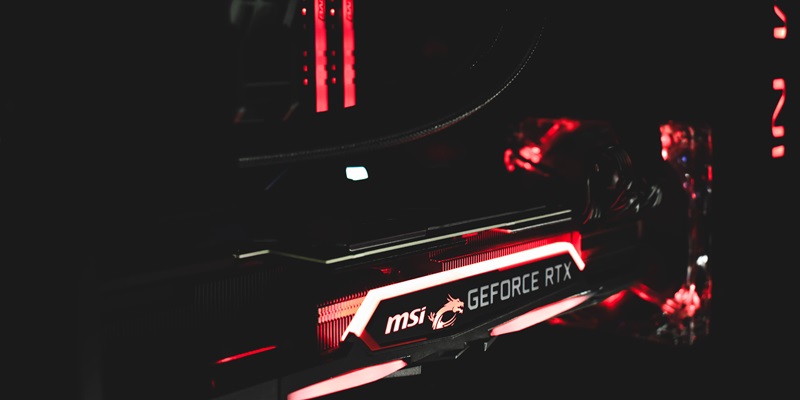
Anticipation is high for Nvidia’s RTX 5090 graphics card, the latest frontrunner in the GPU arena. Though official details from Nvidia are scarce, the tech community is buzzing with expectations based on past trends and various rumors. This new card is set to push the boundaries of graphical performance, catering to the demands of hardcore gamers and professional users alike. It will likely feature significant improvements in speed, power efficiency, and ray-tracing capabilities. Additionally, as artificial intelligence and machine learning become more integrated into gaming and creative software, the RTX 5090 is expected to excel in these areas too. As the release date approaches, enthusiasts are on the lookout for any confirmed specifications and performance metrics that will solidify the RTX 5090’s standing as a new benchmark in high-end gaming graphics technology.
Anticipation and Speculation Surrounding the RTX 5090
The Legacy and Performance Benchmark
Nvidia’s RTX 4090 set a new benchmark in graphics performance, and its successor, the RTX 5090, is poised to raise the bar even higher. Building on the previous generation’s advancements in ray tracing and AI-driven upscaling, the RTX 5090 is expected to leverage these technologies to deliver groundbreaking results. With each new release, Nvidia consistently provides significant generational leaps that meet the increasing demand for more lifelike and immersive gaming experiences. The RTX 5090 is anticipated to not only continue this trend but to potentially set a new standard for what gamers and professionals alike can expect from high-end graphics performance. As the industry looks forward to this next iteration of Nvidia’s lineup, excitement builds for the potential of even more realistic graphics and seamless gameplay enhancements that the RTX 5090 could offer, solidifying Nvidia’s role at the forefront of graphics technology innovation.
Competitive Pressures and Market Dynamics
The GPU arena is fiercely contested, with Nvidia’s products vying against AMD’s progressive gains. As AMD readies its RDNA 4, speculation intensifies over Nvidia’s RTX 5090 capabilities. This rivalry invariably fuels innovation, compelling Nvidia to embed superior features to uphold its market dominance. The RTX 5090 symbolizes not just Nvidia’s technical brilliance but also its strategy to stay ahead in the fast-paced, competitive tech world. With every release like the RTX 5090, Nvidia answers the call for advancement in response to competitors like AMD and the anticipation surrounding their upcoming architectures. Each company pushes the other towards greater heights, benefiting consumers with cutting-edge performance. As the market watches, Nvidia’s response to AMD’s RDNA 4 with the RTX 5090 will be pivotal in determining the direction of high-performance GPUs.
Predictions for Release and Technology Advances
Unofficial Release Timelines and Industry Cycles
Nvidia usually follows an 18 to 24-month cycle for new GPU releases, with the tech community speculating that the RTX 5090’s announcement could likely fall between late 2024 or early 2025. This assumption takes into account the pattern previously observed with Nvidia’s product launches and the alleviation of the chip shortage which had impacted the industry. For tech enthusiasts and professionals in the sector, this forecast is more than mere speculation; it serves as a strategic timeline, allowing for preparations for the high-end GPU’s release. Integrating such advanced technology presents challenges, but with a potential release window in sight, plans can be set in motion to manage the transition. As anticipation builds, the industry is poised to see how Nvidia’s next big leap in graphics processing will shape the future of gaming, design, modeling, and computational tasks that require robust graphical power.
Architectural Evolution and Design Innovations
The Nvidia RTX 5090 graphics card speculation suggests a revolutionary design shift to a new Lovelace architecture that steers away from the long-standing monolithic design in favor of a multi-chiplet module (MCM). This potential innovation would represent a groundbreaking move for Nvidia, offering promises of higher performance and better energy efficiency. The adoption of an MCM design over traditional single-die GPUs could signal a significant advancement in the realm of graphics processing, aligning with industry trends towards chiplet-based designs. While these rumors shed light on exciting possibilities, the actual features of the RTX 5090 remain unconfirmed until Nvidia officially unveils the details of this next-generation GPU. The tech community eagerly awaits to see if these leaks will translate into reality, propelling Nvidia into a new architectural era for their GPUs.
Rumored Specifications and Performance Leaps
From CUDA Cores to Memory Enhancements
The anticipated RTX 5090 graphics card is expected to mark a substantial advancement over its predecessors. Enhancements are predicted in various areas, including a surge in the count of CUDA cores and an upgrade in memory technology. These improvements point towards a GPU that will deliver significantly increased computational prowess and swifter processing of data. Rumors hint at the implementation of cutting-edge GDDR7 memory modules within the RTX 5090; this could translate to enhanced bandwidth, potentially elevating the performance in gaming scenarios and creative workloads. Such prospective upgrades in the RTX 5090 are set to captivate the attention of demanding users, including professionals and high-level enthusiasts, who are in quest of the zenith in graphics processing technology.
The Skepticism and Excitement of Unconfirmed Enhancements
Anticipation mingles with wariness as the tech community buzzes about the rumored capabilities of the RTX 5090 graphics card. Enthusiasts pore over unconfirmed specs, suggesting a significant boost in ray tracing and tensor cores, potentially offering unparalleled advances in AI efficiency and real-time rendering of complex lighting. Predictive chatter on forums paints a picture of a GPU that could set new performance benchmarks for the industry.
Yet, these prospects are built atop a foundation of rumors, absent official confirmation. This breeds a dual atmosphere of hope for groundbreaking tech and hesitation over possibly inflated expectations. With no concrete data, predictions are merely educated guesses, leaving experts and consumers alike in a state of eager, if cautious, expectancy for what could be the next leap in graphical power. As the narrative around the RTX 5090 continues to evolve, the tech world watches on, poised for a potential revelation in computing performance.
The Broader Impact and Consumer Expectations
Impact on the Computing Industry and Tech Enthusiasts
The forthcoming RTX 5090 GPU is set to have a significant impact across various fields, transcending its gaming roots. It promises to bring groundbreaking enhancements in artificial intelligence research, elevate professional graphics processing, and push the boundaries of scientific simulations and calculations. The power it offers could lead to major advancements in research and development, acting as a catalyst for innovation and discovery. As the tech community waits with bated breath, the potential applications of the RTX 5090 suggest it will be a pivotal tool in a multitude of industries, offering more than just an improved gaming experience. Its ability to handle intensive tasks could open up new avenues in computational science and beyond, underscoring its value as a versatile and transformative piece of technology.
The Current-Gen Interim and Prospective Upgrades
As the tech community buzzes about the upcoming GPU revolution, updates on current models like the RTX 4050 also capture attention. For those mindful of their budgets, these mid-cycle refreshes offer an intriguing blend of progress and value. Such enhancements could range from modest to substantial, influencing not only the user experience but also shifting market dynamics.
These potential upgrades are dissected and debated, with users weighing the promise of next-gen advancements against the reality of their current computing needs. The RTX 4050 and similar cards provide a middle ground, a bridge between today’s requirements and tomorrow’s dreams.
As the tech industry gears up for the grand reveal of the anticipated 5090 series, there is an unmistakable sense that even the slightest improvements to the existing lineup play a pivotal role in setting the stage for what’s to come. This delicate balance of immediate upgrades and future potential is a central theme for both the gamers’ community and professionals, encompassing expectations, excitement, and pragmatic decision-making.