

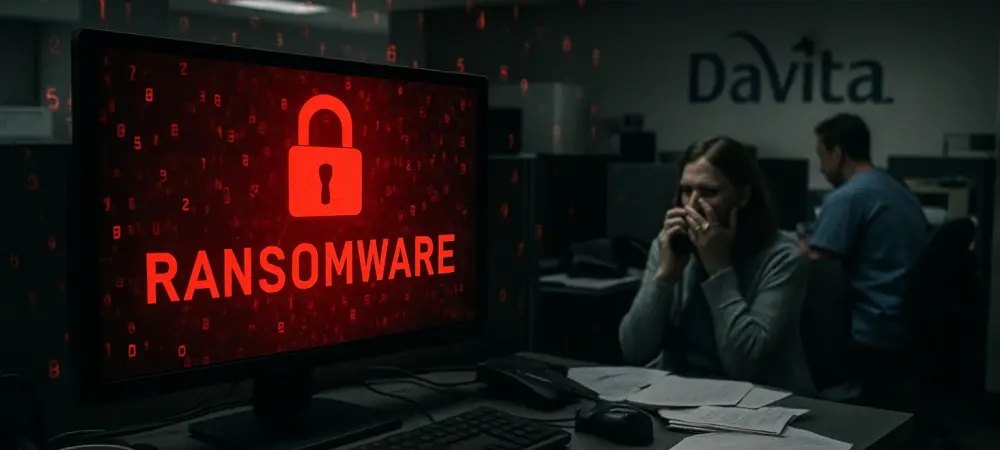
Introduction to the DaVita Ransomware Incident
Imagine waking up to the news that a healthcare provider entrusted with your most sensitive medical and personal information has been hit by a devastating cyberattack, a harsh reality for nearly a million individuals across the United States when DaVita, a leading kidney care services company, fell victim to a ransomware attack earlier this year. The breach exposed critical data, raising alarms about privacy and security in the healthcare sector. The significance of this incident cannot be overstated, as it highlights the vulnerability of medical institutions to sophisticated cyber threats. With patient trust and safety at stake, understanding the scope and implications of such attacks is paramount. This FAQ aims to address the most pressing questions surrounding the event, offering clarity on what happened and its impact.
Readers can expect a detailed exploration of the breach, including the type of data compromised, the response measures taken, and the broader implications for cybersecurity in healthcare. By breaking down complex aspects into clear answers, this discussion seeks to inform and guide those affected or concerned about similar risks.
Key Questions About the DaVita Ransomware Attack
What Happened During the DaVita Ransomware Attack?
Between late March and early April this year, DaVita, a major healthcare provider specializing in dialysis services, experienced a severe ransomware attack. This cyber intrusion, attributed to the Interlock ransomware group, allowed unauthorized access to the company’s systems, leading to the theft of sensitive information. The incident was detected on April 12, prompting immediate action to contain the breach. The importance of this event lies in its scale and the sector it targeted. Healthcare organizations hold vast amounts of personal and medical data, making them prime targets for cybercriminals seeking to exploit such information for financial gain. The attack on DaVita underscores the urgent need for heightened security protocols in an industry where breaches can have life-altering consequences.
Insights into the attack reveal that the Interlock group, which has emerged as a significant threat in recent times, has already targeted numerous entities. DaVita acted swiftly by expelling the intruders and engaging third-party forensic experts to investigate, alongside notifying law enforcement. This rapid response aimed to mitigate further damage, though the breach’s impact remains a pressing concern for many.
What Type of Patient Data Was Compromised in the Breach?
The ransomware attack on DaVita resulted in the theft of highly sensitive patient information, affecting nearly a million individuals nationwide, including over 13,000 in Washington state. The compromised data spans a wide range, from personal identifiers to detailed medical records. This exposure poses significant risks, as such information can be exploited for malicious purposes. Specifically, the stolen data includes names, Social Security numbers, driver’s license numbers, financial and banking details, full dates of birth, health insurance policy numbers, and medical records such as dialysis lab test results and health conditions. For some patients, even tax identification numbers and images of checks written to DaVita were accessed. The breadth of this data breach amplifies the potential for identity theft and financial fraud.
While there is currently no evidence that the stolen information has been misused, the sheer volume and nature of the data taken are deeply troubling. Patients face an ongoing risk, necessitating vigilance and protective measures. The incident serves as a stark reminder of how critical data security is when handling personal health information in digital systems.
How Did DaVita Respond to the Ransomware Attack?
Upon discovering the breach on April 12, DaVita took immediate steps to address the cyberattack and limit its fallout. The company expelled the intruders from its systems to prevent further unauthorized access. This quick reaction was essential in curbing additional data theft and securing the network against ongoing threats.
Beyond containment, DaVita collaborated with third-party cybersecurity experts to conduct a thorough investigation into the breach’s scope and origin. Law enforcement was also notified to assist in tracking down the perpetrators and ensuring accountability. These efforts reflect a commitment to transparency and resolution in the face of a significant security lapse. To support affected individuals, DaVita offered free identity theft protection and credit monitoring services through Experian IdentityWorks. Patients were advised to remain cautious of phishing attempts and to regularly check their financial statements and credit reports for suspicious activity. Such measures aim to empower those impacted to safeguard their personal information moving forward.
What Are the Potential Risks for Affected Patients?
The breach at DaVita has left nearly a million patients vulnerable to a range of serious risks stemming from the exposure of their personal and medical data. Identity theft stands out as a primary concern, where stolen information like Social Security numbers and banking details could be used to open fraudulent accounts or make unauthorized transactions. This threat looms large over those affected.
Additionally, the compromise of medical records, including dialysis test results and health conditions, raises concerns about privacy violations. Such data could potentially be sold on the dark web or used for targeted scams, exploiting patients’ health-related vulnerabilities. The psychological toll of knowing one’s private information is at risk should not be underestimated either.
Although no misuse of the data has been confirmed at this time, the potential for future harm remains significant. Cybersecurity experts often warn that stolen information can surface months or even years after a breach, used in ways that are difficult to predict. Patients are thus encouraged to take proactive steps to monitor and protect their personal details diligently.
Why Are Healthcare Organizations Like DaVita Targeted by Ransomware Groups?
Healthcare providers such as DaVita are increasingly in the crosshairs of ransomware groups due to the immense value of the data they hold. Personal health information, financial records, and insurance details are lucrative on the black market, often fetching higher prices than other types of data. This makes the sector a magnet for cybercriminals seeking substantial payouts.
The operational dependency on digital systems in healthcare also plays a role in their vulnerability. Many organizations rely on interconnected networks for patient care, billing, and record-keeping, which, if not adequately secured, provide multiple entry points for attackers. A successful breach can disrupt services, creating pressure to pay ransoms to restore access quickly.
Broader cybersecurity reports, including alerts from agencies like the FBI, highlight the growing sophistication of groups like Interlock. These threat actors exploit weaknesses in security infrastructure, often targeting entities with perceived gaps in defenses. The trend signals an urgent need for healthcare institutions to prioritize robust cybersecurity measures to protect against escalating threats.
Summary of Key Insights
The ransomware attack on DaVita serves as a critical case study in the vulnerabilities facing healthcare providers today. Key points discussed include the extensive breach of personal and medical data affecting nearly a million patients, the swift response by DaVita to contain the attack, and the ongoing risks of identity theft and fraud for those impacted. Each aspect underscores the gravity of cybersecurity challenges in this sector.
Main takeaways emphasize the importance of vigilance for affected individuals and the broader need for strengthened defenses in medical institutions. The incident reveals how sensitive data, when compromised, can have far-reaching consequences, even if misuse is not immediately evident. It also highlights the proactive steps taken to support patients post-breach, such as offering credit monitoring services.
For those seeking deeper understanding, exploring resources from cybersecurity agencies or healthcare security forums can provide additional context on protecting personal information and recognizing emerging threats. Staying informed about best practices in data protection remains essential in an era of frequent cyber incidents.
Final Thoughts on the DaVita Incident
Reflecting on the DaVita ransomware attack, it becomes clear that the intersection of healthcare and technology demands far greater attention to security than many had previously assumed. The breach exposed critical weaknesses, but also showcased the potential for rapid response and mitigation when faced with such crises. Looking back, the incident served as a wake-up call for many in the industry. Moving forward, affected individuals are encouraged to take actionable steps, such as enrolling in offered protection services and maintaining close oversight of their financial and personal records. Healthcare providers, on the other hand, face the challenge of investing in advanced security frameworks to prevent similar breaches in the years ahead. The path to resilience requires collective effort and unwavering commitment.
Beyond immediate actions, the broader community must consider advocating for stricter regulations and standards in cybersecurity for healthcare entities. As technology continues to evolve, so too do the tactics of cybercriminals, making it imperative to stay ahead of potential threats. The lessons learned from this event need to shape future strategies for safeguarding patient trust and data integrity.