

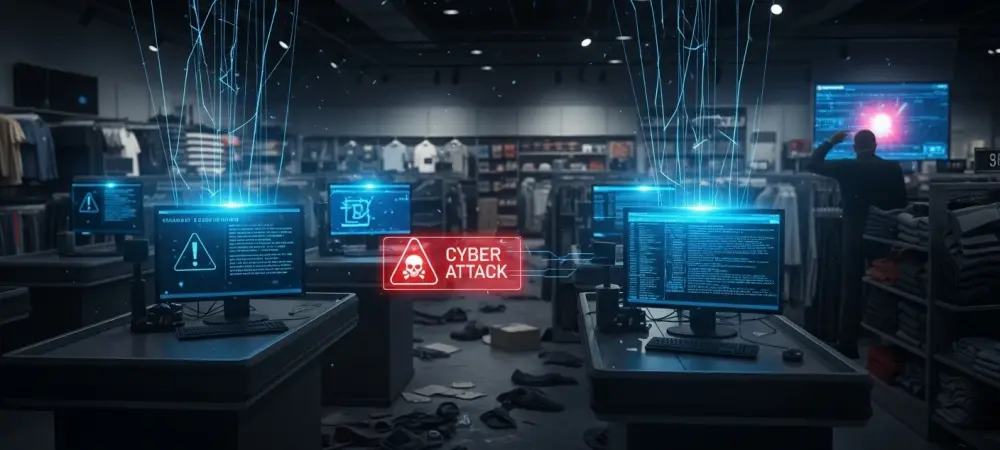
What happens when a cornerstone of community life, a retailer trusted by millions, crumbles under an unseen assault? In April of this year, the Co-op Group, a UK giant with over 2,300 stores, faced a cyberattack that drained £206 million from its coffers and left shelves bare across the nation. This wasn’t just a corporate setback—it was a glaring signal that the retail sector’s digital foundations are more fragile than ever. This story uncovers the devastating ripple effects of the breach and probes the urgent question: how can an industry so vital to daily life protect itself from invisible predators?
The Shocking Scale of a Digital Disaster
The sheer magnitude of the Co-op’s loss grabs attention immediately. A staggering £206 million vanished in the wake of the attack, with the company reporting a 2.1% revenue drop to £5.5 billion for the first half of this year. Grocery sales alone slumped by 1.6%, a direct hit to the core of its business. Beyond the balance sheet, the incident paralyzed operations, exposing just how dependent modern retail is on interconnected systems that can collapse with a single breach.
This event stands as a critical wake-up call for the entire retail landscape. Cyberattacks are no longer distant threats but present dangers that can disrupt access to essentials and shake consumer confidence. The Co-op’s struggle mirrors a broader vulnerability, one that demands immediate attention as digital reliance grows. If a conglomerate of this size can falter, no retailer is immune to the risks lurking in the shadows of technology.
The Perfect Storm: Why Retail Is a Cyber Target
Retailers today operate as much in cyberspace as in physical stores, managing vast networks of data from customer transactions to supply chain logistics. This digital sprawl makes them prime targets for cybercriminals seeking high-value payouts or sensitive information. The Co-op incident reflects a chilling statistic: cybercrime costs the retail sector hundreds of millions annually, with damages often extending far beyond immediate financial losses.
The stakes are especially high in communities where options are limited. In remote areas like the Scottish Highlands, the Co-op often serves as the sole grocery lifeline. When systems fail, the impact isn’t just inconvenience—it’s a barrier to basic needs. This dynamic amplifies the urgency for retailers to fortify their defenses, as a breach can spiral into a societal crisis with far-reaching consequences.
Dissecting the Fallout: A Multi-Layered Crisis
The Co-op attack unleashed chaos on multiple fronts, starting with operational gridlock. Reliance on just-in-time inventory systems became a fatal flaw when IT infrastructure was shut down to contain the threat. Stores couldn’t restock, leaving customers staring at empty shelves for weeks. This breakdown revealed how a single point of failure in digital systems can cripple an entire network, disrupting service at a fundamental level.
Financially, the blow was brutal, but the data breach added another layer of damage. Personal information of 6.5 million member customers was stolen, shattering trust in a brand built on community values. The reputational cost may prove even harder to recover than the monetary loss, as loyalty, once broken, is not easily rebuilt. This breach underscores the dual burden retailers face: safeguarding both profits and personal data in an era of relentless cyber threats.
Socially, the impact cut deepest in isolated regions. For many in rural areas, the Co-op isn’t just a store—it’s a necessity. When operations stalled, access to food and supplies was severed, exposing how cyberattacks can transcend corporate concerns and strike at the heart of human welfare. This dimension of the crisis highlights a responsibility that extends beyond business metrics to the very fabric of society.
Voices from the Frontline: Expert Warnings and Reflections
Insights from industry leaders paint a grim picture of retail’s cyber readiness. Stephen McPartland, former UK Minister of State for Security and author of the McPartland Review, noted that even titans like the Co-op lack the robust defenses needed to counter sophisticated threats. He cautioned that smaller supply chain partners, often less equipped, face even greater peril when giants fall, creating a domino effect across the industry.
The UK’s Cyber Monitoring Centre (CMC) added weight to these concerns, linking the Co-op attack to a shared threat actor behind other retail breaches, such as one targeting Marks and Spencer. Their estimates place combined damages between £270 million and £440 million, signaling a pattern of escalating cyber aggression. Meanwhile, Co-op CEO Shirine Khoury-Haq’s public apology on national television laid bare the emotional toll, as eroded trust became as tangible a loss as the financial hit. These voices collectively urge a reckoning with systemic flaws that leave the sector exposed.
Fortifying the Future: Steps to Shield Retail from Cyber Threats
The Co-op’s ordeal offers hard-earned lessons for building resilience. Retailers must first rethink over-reliance on just-in-time systems by creating manual backup processes to keep operations running during digital outages. This shift could mean the difference between empty shelves and sustained service when the next attack strikes, ensuring continuity even under duress. Investment in cybersecurity is non-negotiable, from regular system updates to rigorous employee training and penetration testing to spot vulnerabilities before hackers do. Securing comprehensive cyber insurance also emerges as a critical buffer, a safeguard the Co-op lacked, leaving it fully exposed to the £206 million loss. Additionally, encrypting customer data and restricting access to sensitive systems can prevent breaches from becoming trust-destroying scandals. Above all, fostering cyber awareness at the executive level ensures that resilience isn’t an afterthought but a cornerstone of business strategy, vital for protecting both revenue and reputation.
Looking back, the Co-op’s £206 million cyberattack in April stood as a defining moment that exposed retail’s digital underbelly. The financial hemorrhage, operational paralysis, and social disruption it caused reverberated through communities and boardrooms alike. Yet, from this crisis emerged a clear path forward. Retailers must act decisively, investing in robust defenses, reimagining supply chain contingencies, and prioritizing data protection to weather future storms. As cyber threats evolve, the industry stands at a crossroads—strengthen now or risk deeper fractures later. The choice will shape not just corporate survival but the accessibility and trust that millions depend on every day.