

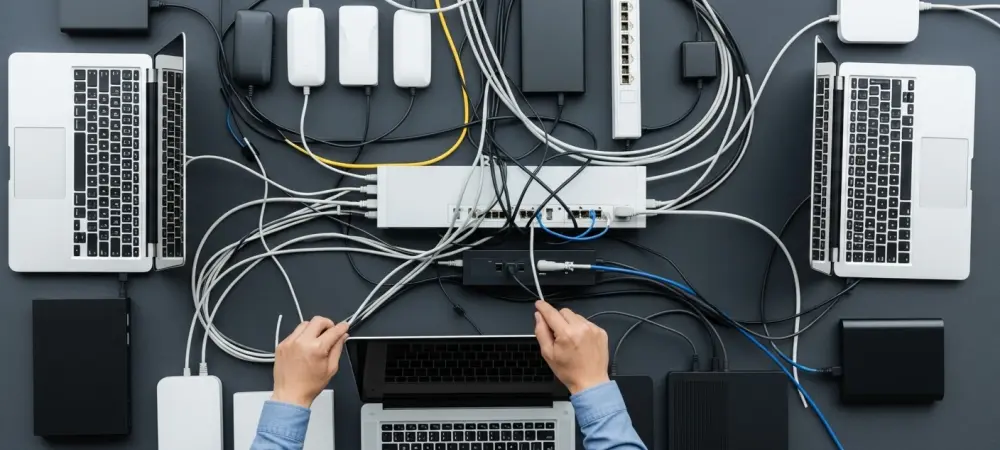
A sophisticated network of domestic laptop hubs successfully masked the digital footprints of state-sponsored North Korean operatives, allowing them to infiltrate over one hundred unsuspecting American corporations. While many companies believed they were hiring local talent to fill critical remote roles, they were actually providing direct access to their internal systems to individuals working on behalf of the Democratic People’s Republic of Korea (DPRK). This scheme highlights a dangerous intersection of identity theft and hardware manipulation that threatens the integrity of the global digital workforce.
The Invisible Employee in the Spare Bedroom
A Fortune 500 company hires a top-tier remote IT specialist, completes the onboarding process, and ships out a high-end corporate laptop, unaware that the person logging in from a domestic IP address is an operative sitting in North Korea. This was not a one-time glitch but a calculated exploit of modern remote work culture that allowed the DPRK to plant workers inside over 100 American companies. By the time federal authorities caught up with the scheme, millions of dollars had been funneled into weapons programs, and proprietary defense data had been compromised.
The High Stakes of the Digital Border
The transition to remote-first employment has fundamentally altered the corporate security landscape, creating new vulnerabilities that nation-states are now eager to exploit. For North Korea, these laptop farms are vital financial lifelines designed to circumvent strict international sanctions. The ability to infiltrate US firms provides the DPRK with two critical assets: a steady stream of illicit currency and direct access to Western intellectual property. As organizations prioritize global talent, the line between a legitimate hire and a state-sponsored threat has become dangerously thin.
Anatomy of the Laptop Farm: How the Deception Worked
The operation led by Kejia Wang and Zhenxing Wang was a masterclass in technical subterfuge, relying on physical hardware to bypass digital security protocols. By establishing hubs within the United States, the conspirators created a proxy network that made international logins appear entirely domestic. The duo used the stolen personal information of more than 80 US citizens to apply for high-paying remote roles, ensuring their workers passed initial background checks.
To fool security systems that flag overseas IP addresses, the Wangs connected laptops to Keyboard-Video-Mouse (KVM) switches. This allowed North Korean workers to control physical laptops in the US from their keyboards abroad. By routing traffic through standard American residential internet connections, the farm effectively neutralized geofencing software. The conspirators used shell companies like Hopana Tech LLC to launder wages and hide the trail of funds heading back to North Korea.
Security Breaches and the $5 Million Windfall
The fallout of this conspiracy extends far beyond simple wire fraud, touching on matters of national security and the integrity of the US defense industry. During their tenure, the North Korean IT workers generated over $5 million in illicit revenue, providing significant capital for the DPRK’s prohibited programs. More alarming was the level of access granted; in one instance, a worker at a defense contractor exfiltrated sensitive artificial intelligence data governed by international regulations. These employees gained access to proprietary source code and internal networks typically guarded with high scrutiny.
Safeguarding the Virtual Office: Strategies for Organizations
The Department of Justice initiative made strides in dismantling these hubs, but the responsibility for prevention eventually shifted toward the hiring firms. Organizations found it necessary to evolve their verification processes to stay ahead of sophisticated identity theft and hardware-based spoofing. Mandatory notarized verification required new hires to present physical identification to verify their identity beyond a digital screen. Hardware integrity checks were implemented to detect the presence of KVM switches or unauthorized peripheral devices.
Advanced network latency analysis became a standard tool to monitor for unusual lag that indicated a remote desktop connection was bridging an international gap. Comprehensive behavioral auditing ensured that firms conducted periodic reviews of employee login patterns and cross-referenced payroll information with verified tax records for consistency. These measures established a more resilient defense against the ongoing threat of state-sponsored infiltration in the remote workforce.