

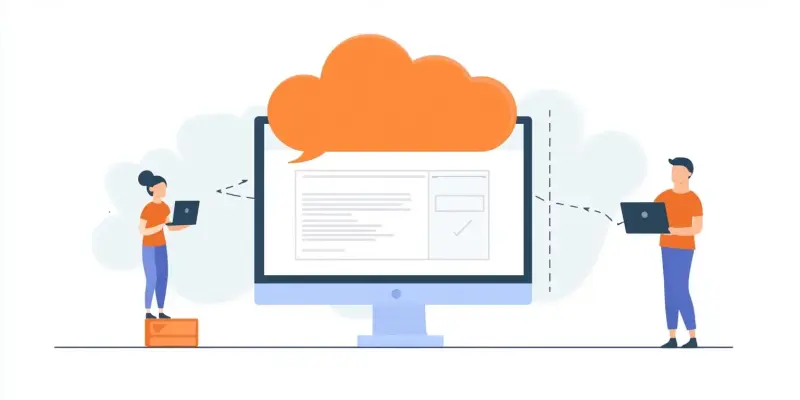
Migrating to a cloud-based ERP system is no longer a luxury—it’s a necessity for businesses seeking efficiency, scalability, and real-time insights. The digital transformation journey that many companies embark upon often hits a pivotal moment when they decide to upgrade their ERP systems. Whether you’re outgrowing QuickBooks or struggling with disconnected systems, moving to a modern cloud ERP like Microsoft Dynamics 365 Business Central can streamline operations, improve decision-making, and enhance overall business agility.
However, transitioning to a new ERP is a significant step. A poorly planned migration can lead to operational disruptions, data inconsistencies, and frustrated employees. That’s why it’s crucial to have a structured approach to ensure a successful transition. The benefits that come from adopting a cloud ERP are manifold; they encompass improved operational efficiency, better data management, and enhanced decision-making capabilities. The following sections will delve into these benefits and outline key strategies to ensure a smooth migration process.
Improved Operational Efficiency
One of the paramount benefits of cloud ERP systems lies in their ability to streamline business processes. When companies rely on multiple disconnected systems, it often leads to bottlenecks and inefficiencies. A cloud ERP system centralizes all your business functions, which allows for real-time data sharing and collaboration. This integrated approach reduces manual data entry tasks, thereby cutting down the likelihood of human error and increasing overall productivity.
Moreover, cloud-based ERPs like Microsoft Dynamics 365 Business Central offer automation capabilities that can significantly reduce the time spent on routine tasks. For example, functions such as financial reporting, inventory management, and order processing can be automated, freeing up your staff to focus on more strategic activities. The result is a more agile and efficient organization capable of quickly adapting to market changes and customer demands.
Another crucial aspect of operational efficiency is the ability to scale. Traditional on-premise ERP systems often struggle to accommodate rapid business growth due to their limited flexibility. Cloud ERP systems, on the other hand, are designed to scale effortlessly. This means you can add new users, integrate additional functionalities, and expand into new markets without the need for costly infrastructure upgrades. This adaptability is particularly beneficial for growing businesses that need to respond swiftly to changes in the market.
Enhanced Decision-Making Capabilities
In today’s fast-paced business environment, the ability to make informed decisions quickly can be a significant competitive advantage. Cloud ERP systems provide real-time access to critical business data, enabling managers to make data-driven decisions. With a centralized data repository, you can easily analyze trends, identify inefficiencies, and uncover new business opportunities. This level of insight is often unattainable with disparate legacy systems.
Furthermore, cloud ERP systems come equipped with advanced analytics tools. Microsoft Dynamics 365 Business Central, for instance, offers robust business intelligence features that allow you to create customizable dashboards and generate in-depth reports. These tools empower your team to monitor key performance indicators (KPIs) and make proactive adjustments to business strategies.
The ability to access data from anywhere is another game-changing feature of cloud ERP systems. In an increasingly mobile world, having the flexibility to manage your business on the go is invaluable. Cloud ERP systems are designed with mobile accessibility in mind, ensuring that you can access your data and perform critical tasks from any device with an internet connection. This fosters a more connected and responsive workforce, capable of making swift decisions even while away from the office.
Better Data Management and Security
Data integrity is paramount for any business, and cloud ERP systems excel in this area. Traditional systems often suffer from poor data management practices, leading to inconsistencies and errors. Cloud ERP systems offer a single source of truth, ensuring that data is accurate, up-to-date, and readily accessible. This eliminates the need for manual data reconciliation and reduces the risk of costly mistakes.
Security is another significant concern for businesses considering a move to the cloud. However, modern cloud ERP systems are designed with robust security features to protect your sensitive data. Microsoft Dynamics 365 Business Central, for example, employs advanced encryption techniques and multi-factor authentication to safeguard your information. Additionally, cloud providers invest heavily in maintaining compliance with industry standards and regulations, offering peace of mind that your data is secure.
Another advantage of cloud ERP systems is their disaster recovery capabilities. Traditional on-premise systems are vulnerable to data loss due to hardware failures or natural disasters. Cloud-based systems, on the other hand, offer automated backups and redundant data storage, ensuring that your business can quickly recover from any disruptive events. This level of resilience is critical for maintaining continuity and minimizing downtime.
Conclusion: The Future of Your Business
Migrating to a cloud-based ERP system has shifted from being a luxury to a necessity for businesses aiming for efficiency, scalability, and real-time insights. Many companies’ digital transformation efforts reach a crucial point when they choose to upgrade their ERP systems. Whether you’re outgrowing QuickBooks or grappling with fragmented systems, transitioning to a contemporary cloud ERP like Microsoft Dynamics 365 Business Central can streamline operations, boost decision-making, and enhance overall business agility.
However, shifting to a new ERP system is a significant endeavor. Poorly planned migrations can result in operational hiccups, inconsistent data, and frustrated employees. It’s essential to have a well-structured approach ensuring a seamless transition. The advantages of adopting a cloud ERP are numerous, including increased operational efficiency, better data management, and superior decision-making abilities.